If you have ever driven through Riverside and thought, this does not feel like a typical suburb, you are not imagining it. Riverside has a distinct day-to-day rhythm that comes from how the village was designed, how people move through it, and where community life naturally gathers. If you are exploring Riverside as a place to live, this guide will help you understand what everyday life really feels like there. Let’s dive in.
Why Riverside Feels Different
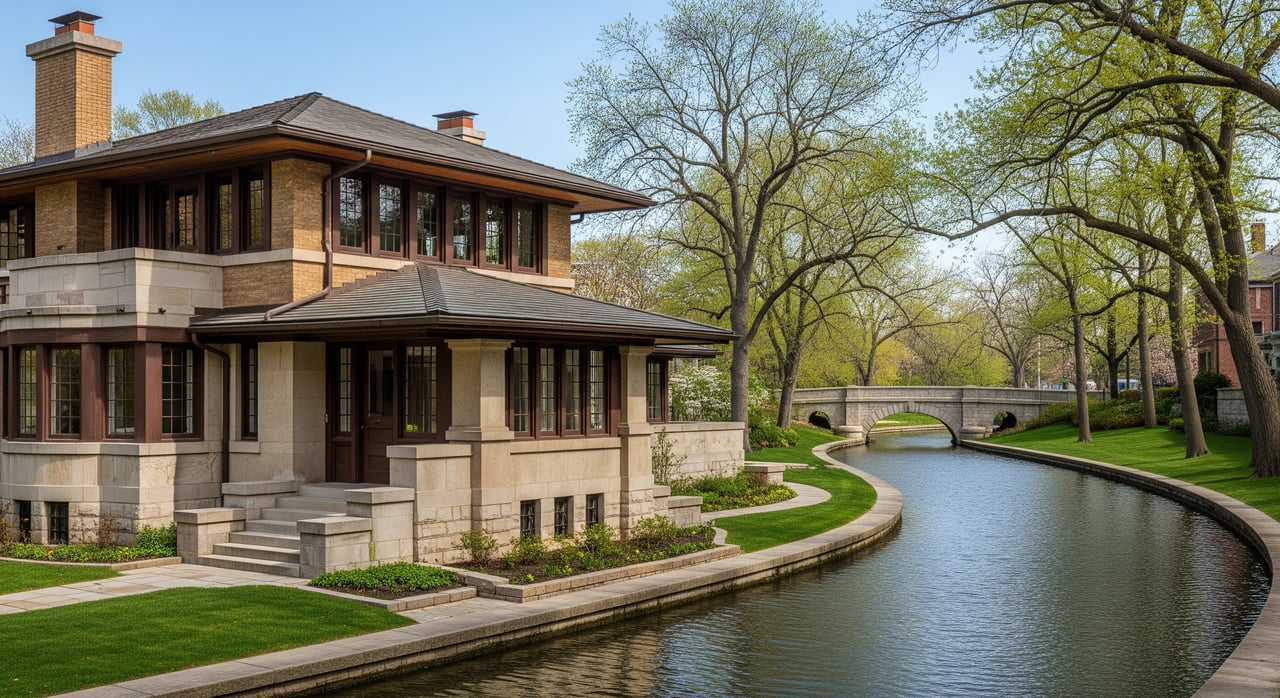
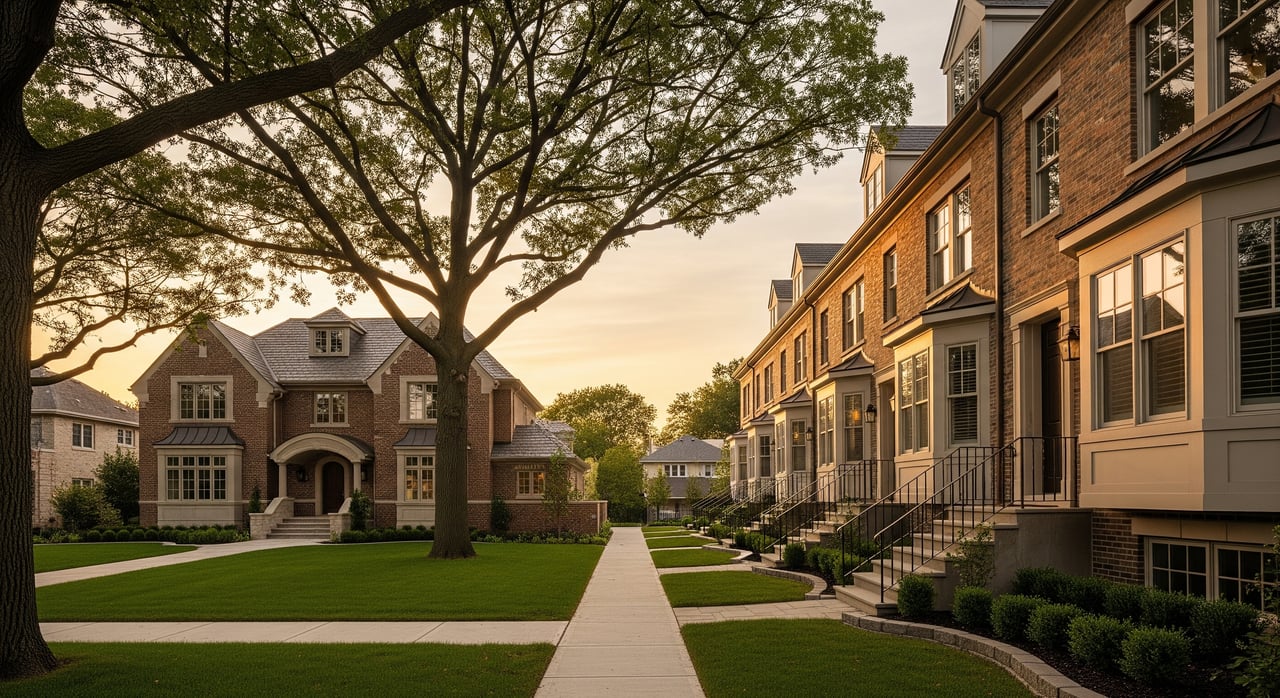
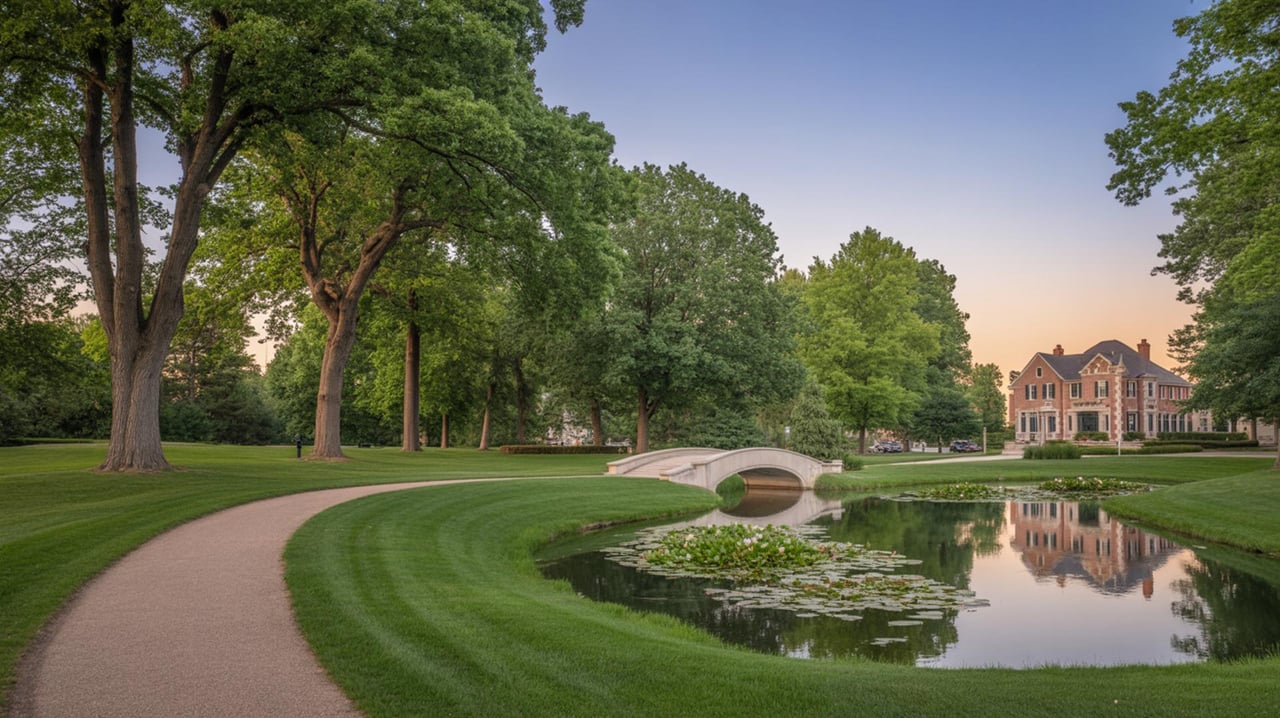
Riverside’s village feel starts with its original design. The Village of Riverside says the community was established in 1869 and shaped by Frederick Law Olmsted, with curving streets, expansive green parkways, gas-lit street lanterns, and a layout that later earned National Historic Landmark status in 1970.
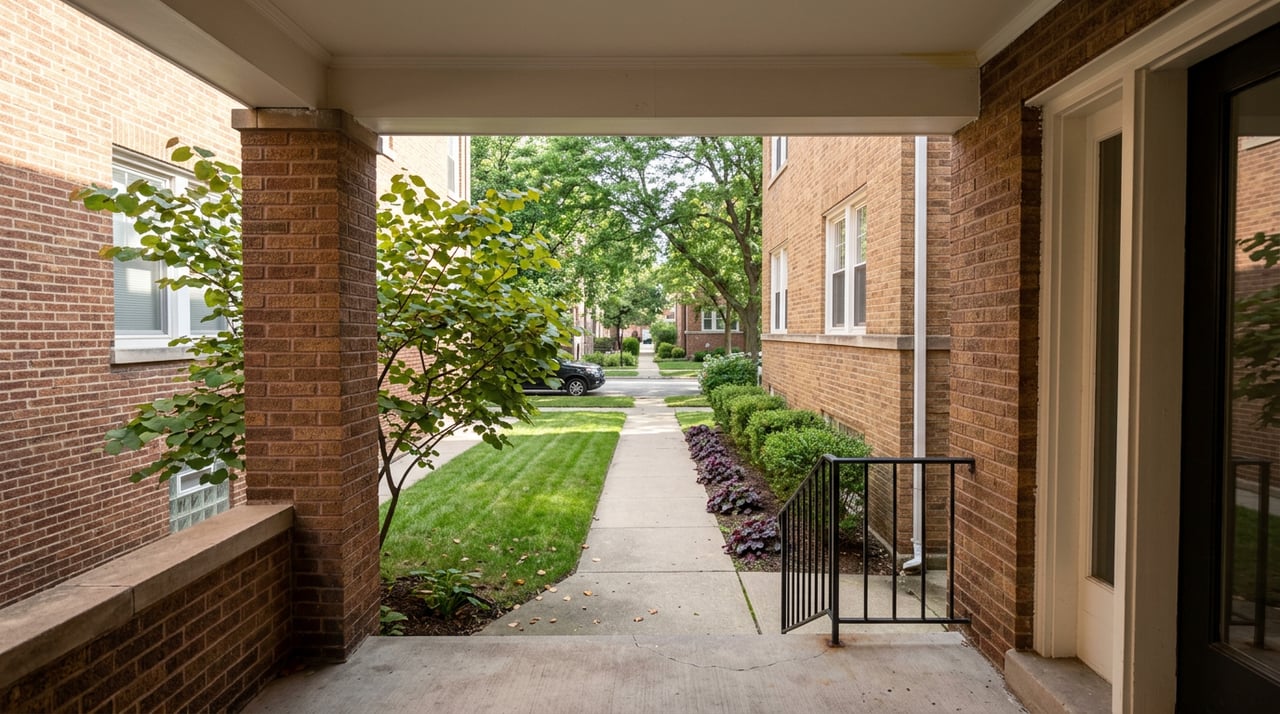
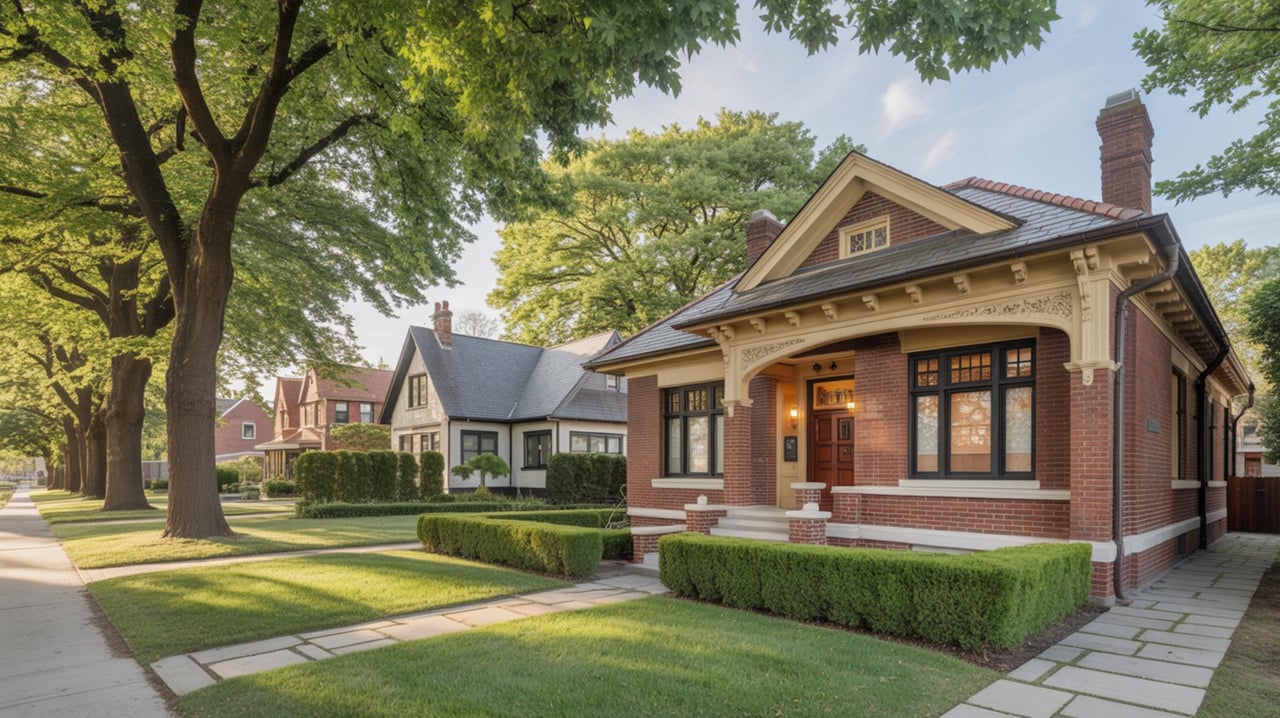
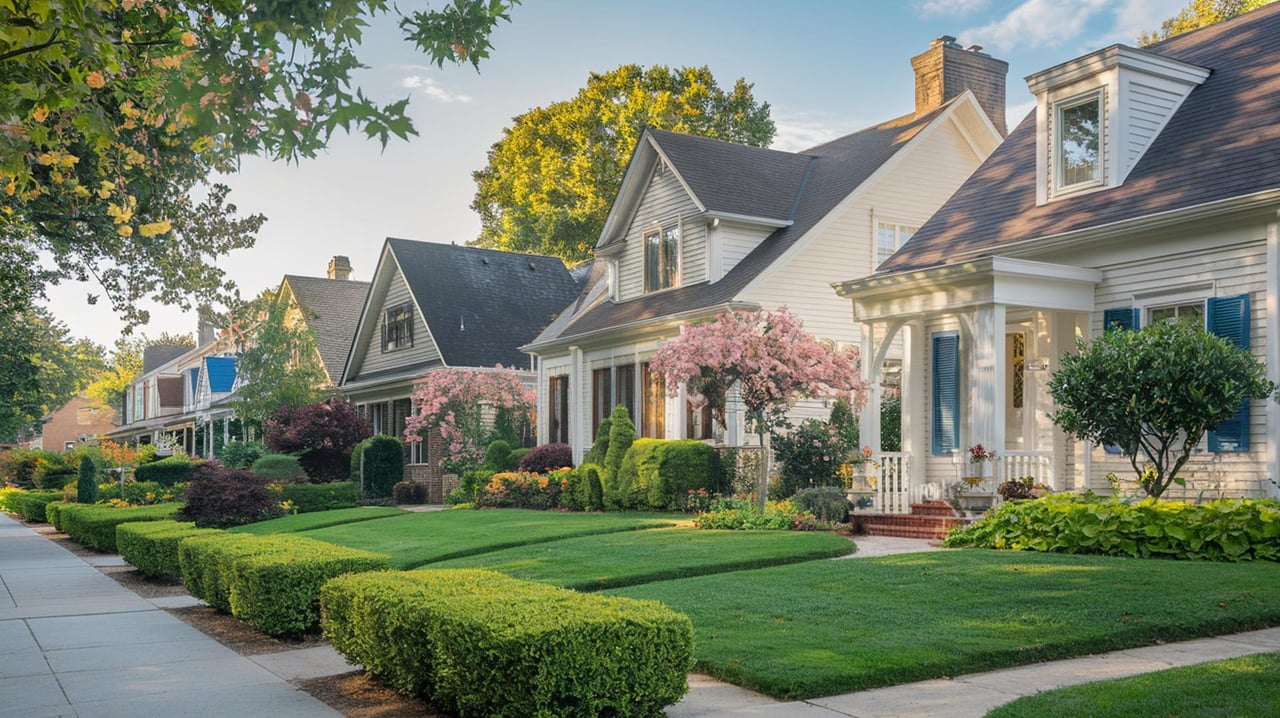
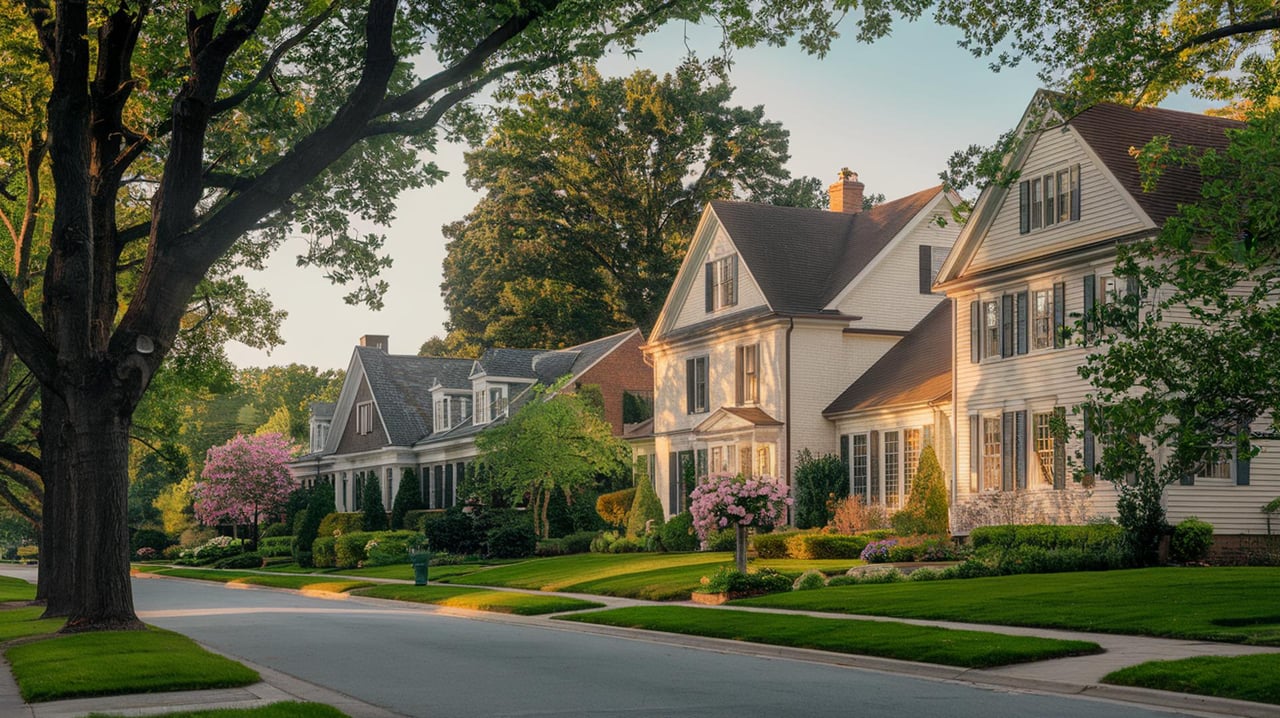
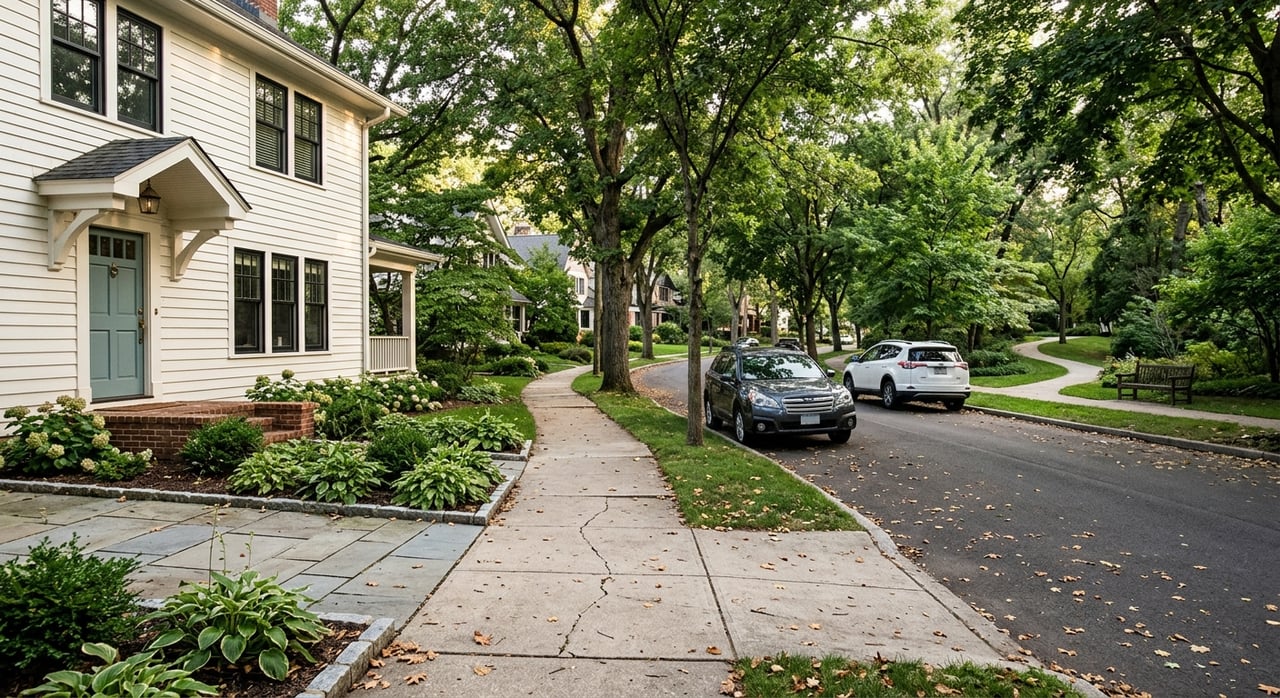
That design still shapes how the village feels today. Riverside also describes its defining features as curvilinear streets, ample setbacks, and pastoral parkways with open lawn and naturalistic tree groupings. Instead of a standard grid, you get a setting that feels softer, greener, and more scenic.
The tree canopy plays a major role too. The village says Riverside has roughly 10,000 trees, and it was certified as an arboretum in 2015. That helps explain why so many streets feel shaded and park-like rather than heavily built out.
How the Layout Shapes Daily Life
Riverside is not just historic on paper. Its physical layout still affects everyday routines in practical ways. The village describes Riverside as a walkable community with rural tranquility in the middle of the Chicago region.
For you, that can mean daily movement often feels more local and more connected to the neighborhood itself. Quick errands, a walk near the center of town, or a short drive through tree-lined streets can feel very different here than in communities built around larger arterial roads and commercial strips.
That is one of Riverside’s biggest lifestyle advantages. The design and the daily experience still match.
Village Center and Everyday Convenience
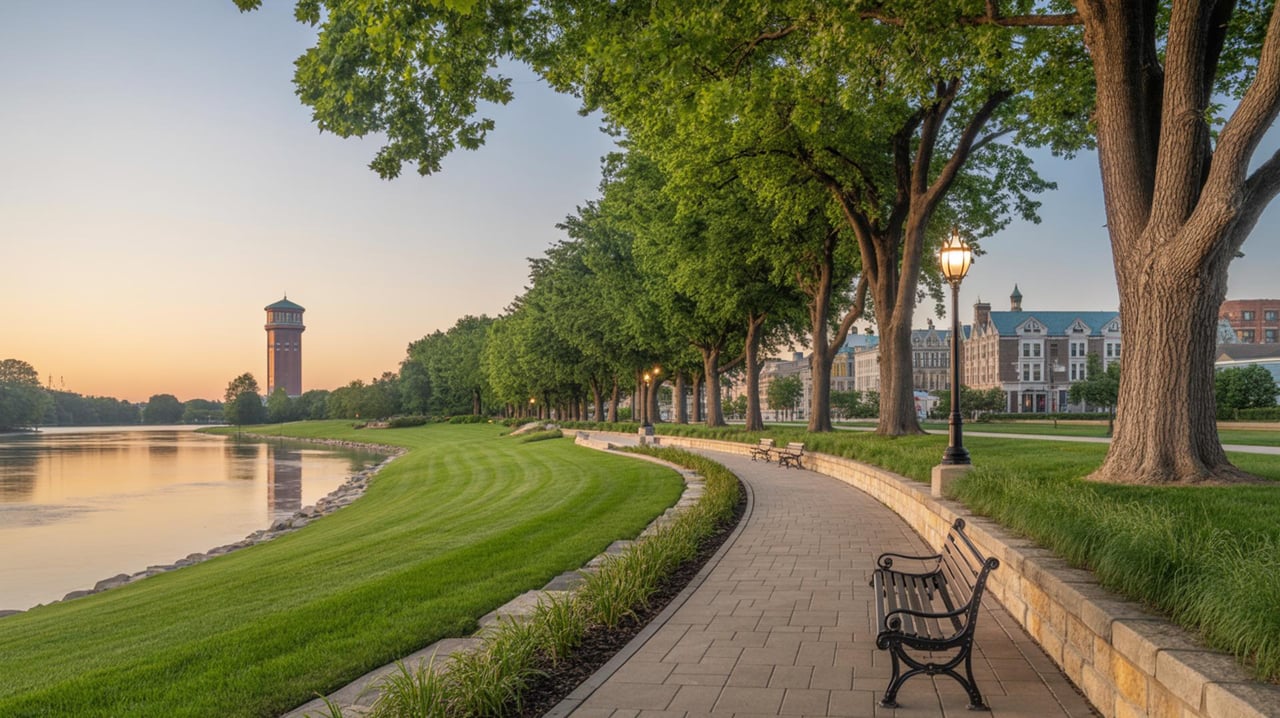
A big part of Riverside’s charm comes from its compact village core. The historic Water Tower has stood at the center of the village since 1869 and is described by the Village as the symbol of Riverside.
Around that center, several important places sit close together. Guthrie Park is next to the Central Business District, the train station, Village Hall, and the library, and the village’s master landscape plan identifies it as the main gathering area for village events.
That concentration gives Riverside a small-town rhythm that many buyers are looking for. The Village of Riverside says free parking is available on streets surrounding the Historic Water Tower, and local businesses include a craft distillery, hand-crafted glass studio, fudge shop, wine shop, coffee stop, and sandwich shop.
In practical terms, that means parts of your day can happen in one compact area. You might grab coffee, stop at the library, pass through the park, and head to the station without feeling spread across a large suburban footprint.
The Riverside Public Library fits naturally into that pattern. The library is located at 1 Burling Road, across the park from the Metra station, and is open Monday through Thursday until 8 p.m. That kind of central location supports the village’s easy, connected feel.
Commuting in Riverside
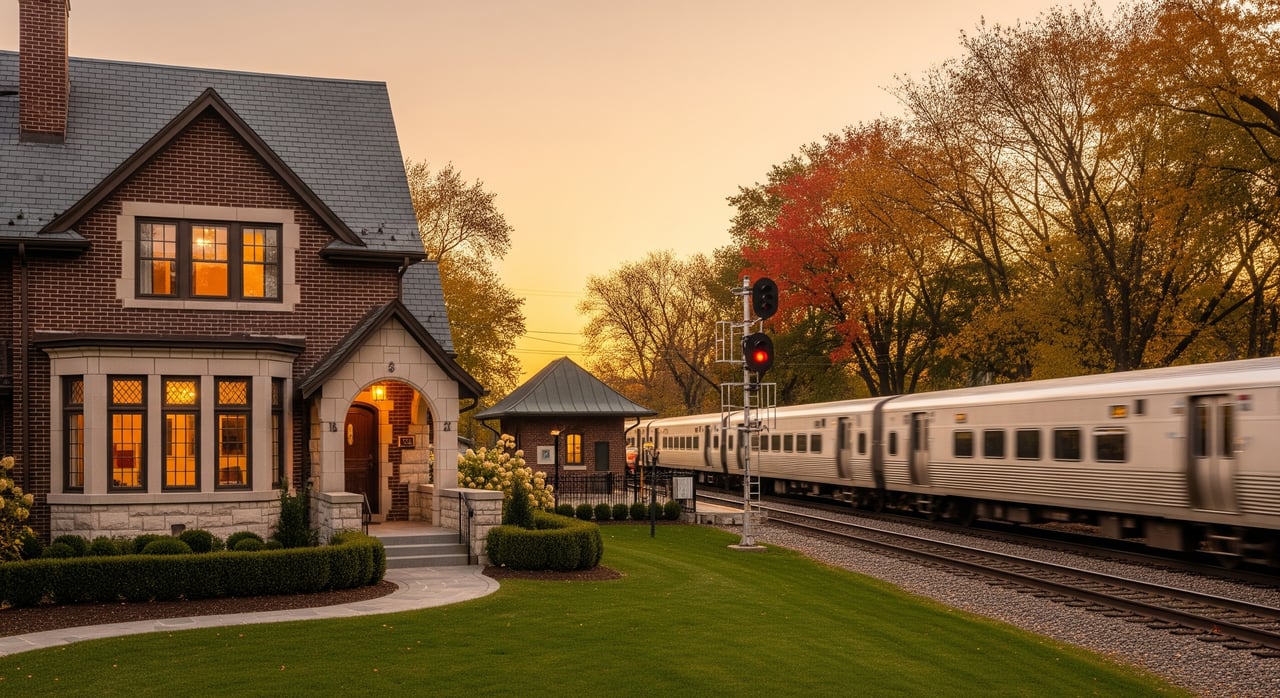
For many buyers, commute patterns matter just as much as home style or lot size. Riverside’s Metra station is on the BNSF line at 90 Bloomingbank Road, and the village notes that Riverside is conveniently located on a Metra commuter line.
This is especially meaningful if you want a suburb where rail access is part of the daily routine. The station sits right within the village center, which helps connect commuting with the rest of local life instead of separating it from it.
Parking around the station is also organized with that purpose in mind. The village separates resident parking, commuter parking, and visitor parking, with Lot 1 directly west of the Riverside Train Station and Lot 8 designated for daily commuters by quarterly permit only.
Riverside is also accessible from I-290, I-294, I-55, and I-88. So while the village center feels compact and walkable, regional car access remains part of the picture.
Parks and Nature Are Part of the Routine
In some communities, parks feel like a bonus. In Riverside, they feel built into the fabric of the village. The master landscape plan says public land along the Des Plaines River provides recreational and educational opportunities for residents to connect with a natural ecosystem.
That matters because outdoor space here is not pushed to the edges of town. It is woven into the places where people already live, walk, and gather.
Guthrie Park is the most visible example because of its location near downtown, the station, Village Hall, and the library. But it is not the only one. The village also highlights Indian Gardens and Scout Cabin along the river at the southern end of Riverside, along with Patriots Park, Turtle Park, and Big Ball Park for neighborhood recreation.
These spaces support a range of everyday uses. Depending on the park, you will find playgrounds, walking paths, ball fields, and tennis courts. That creates a lifestyle where outdoor time can fit easily into a regular weekday, not just a planned weekend outing.
The river corridor adds another layer to Riverside’s identity. The village says Swan Pond offers one of the most dramatic views in Riverside from the library or train station area, and it notes that the Des Plaines River corridor was designated an Important Bird Area by Audubon Great Lakes in 2020.
So the outdoor lifestyle here is not only about organized recreation. It also includes birding, nature viewing, tree walks, and time spent near the river landscape that helps define the village.
Recreation Through the Year
Riverside’s lifestyle is not limited to pretty scenery. The Parks & Recreation Department offers before- and after-school programming, youth basketball and soccer, adult softball and volleyball, educational enrichment, summer camps, classes, and events for children and adults.
That kind of programming can make a real difference when you are thinking about daily life, especially if you want activities close to home. It adds year-round structure and variety beyond the physical parks themselves.
For buyers comparing western suburbs, this is an important point. Riverside offers both the setting and the programming that help keep that setting active and useful.
Arts, History, and Community Life
Riverside’s social pace also stands out. Much of its community life is centered on local institutions, parks, and traditions rather than large commercial entertainment areas.
The Riverside Arts Center is one of the clearest examples. The center says it has provided exhibitions, art classes and camps, special events, artist studios, and community programming since 1993, and it is located in the heart of Historic Riverside.
The Riverside Historical Museum adds another dimension. The village says the museum promotes awareness and understanding of Riverside’s cultural and historical significance through exhibits, presentations, study materials, tours, and archival materials focused on local history.
These places help reinforce a village atmosphere that feels engaged and rooted. They are not background amenities. They are part of the local rhythm.
Village events support that feeling too. The master landscape plan references recurring events such as the July 4 concert and Riverside Arts Weekend in Guthrie Park, while the Landscape Advisory Commission sponsors events and arboretum walking tours tied to Riverside’s tree landscape.
That creates a community calendar shaped by parks, landscape, art, and local tradition. For many buyers, that is a major part of what makes Riverside feel personal instead of purely transactional.
What Riverside Lifestyle Means for Buyers
If you are considering a move to Riverside, the biggest takeaway is this: the village’s design still guides how people live there. The curving streets, mature tree canopy, central train station, clustered civic spaces, river-edge parks, and cultural anchors all support a slower and more connected daily pace.
That does not mean Riverside feels isolated. It means the community is organized in a way that makes local life more visible and more accessible. You can see it in the walkable core, the station-area layout, the central gathering spaces, and the way recreation and nature are folded into the neighborhood.
For buyers along the BNSF corridor, Riverside offers a lifestyle that feels both distinctive and practical. It combines regional access with a village structure that is hard to replicate.
If you are trying to decide whether Riverside fits the way you want to live, the answer often comes down to this simple question: do you want a community where the setting shapes a more connected everyday routine? If so, Riverside deserves a close look.
If you are thinking about buying or selling in Riverside or another BNSF corridor community, LaBelleSells offers local insight, thoughtful guidance, and high-touch service tailored to your goals.
FAQs
What gives Riverside, Illinois its village feel?
- Riverside’s village feel comes from its 1869 planned design, including curving streets, pastoral parkways, generous setbacks, a compact civic core, and a large tree canopy supported by roughly 10,000 trees.
What is everyday life like in Riverside, Illinois?
- Everyday life in Riverside often centers on a walkable village core, local parks, Metra access, small businesses, and community spaces like Guthrie Park, the library, and cultural institutions in the historic center.
How does commuting work in Riverside, Illinois?
- Riverside has a Metra station on the BNSF line at 90 Bloomingbank Road, and the village organizes resident, commuter, and visitor parking around the station area while also offering access to I-290, I-294, I-55, and I-88.
What parks and outdoor amenities are in Riverside, Illinois?
- Riverside includes public land along the Des Plaines River, Guthrie Park, Indian Gardens, Scout Cabin, Patriots Park, Turtle Park, and Big Ball Park, with features such as walking paths, playgrounds, ball fields, tennis courts, and nature-viewing areas.
What kind of community activities are available in Riverside, Illinois?
- Riverside offers Parks & Recreation programs for children and adults, arts programming through the Riverside Arts Center, historical exhibits and tours through the Riverside Historical Museum, and recurring local events such as Riverside Arts Weekend and the July 4 concert.