If buying your first home in Countryside feels exciting and a little overwhelming, you are not alone. In a smaller market like this one, prices can vary, inventory can feel limited, and the real monthly cost goes well beyond the mortgage payment. The good news is that with the right plan, you can shop with confidence and avoid common first-time buyer mistakes. Let’s dive in.
Why Countryside Appeals to First-Time Buyers
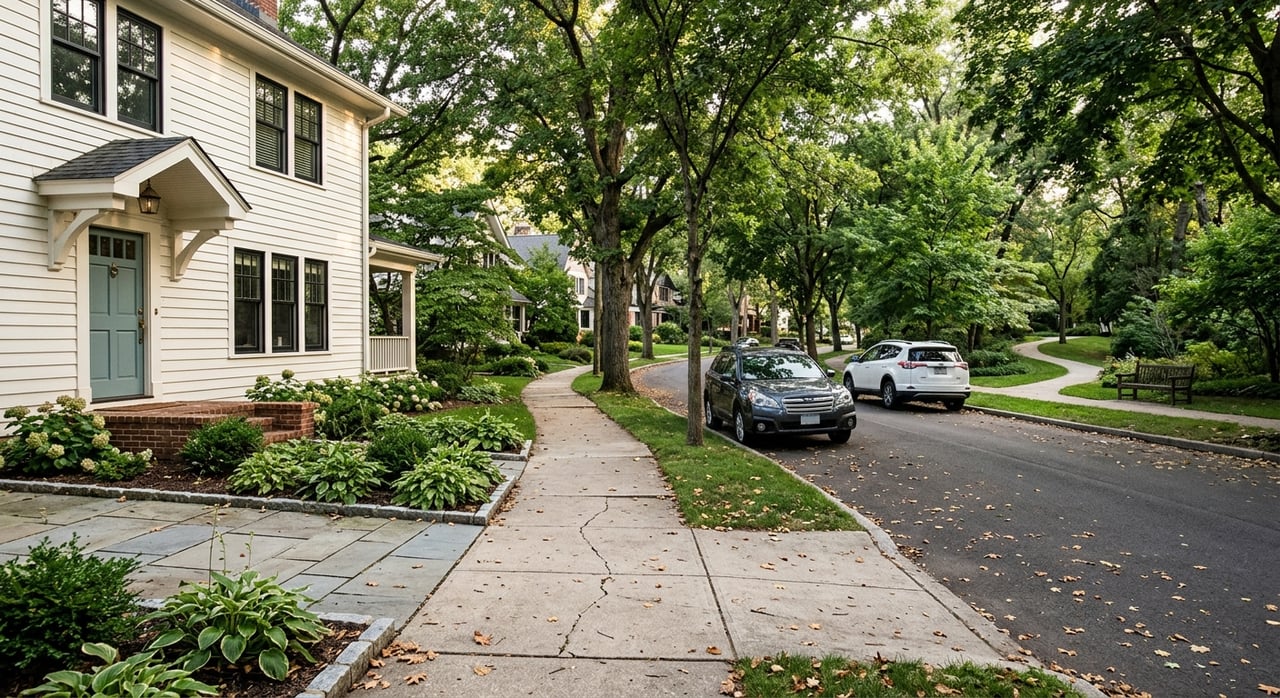
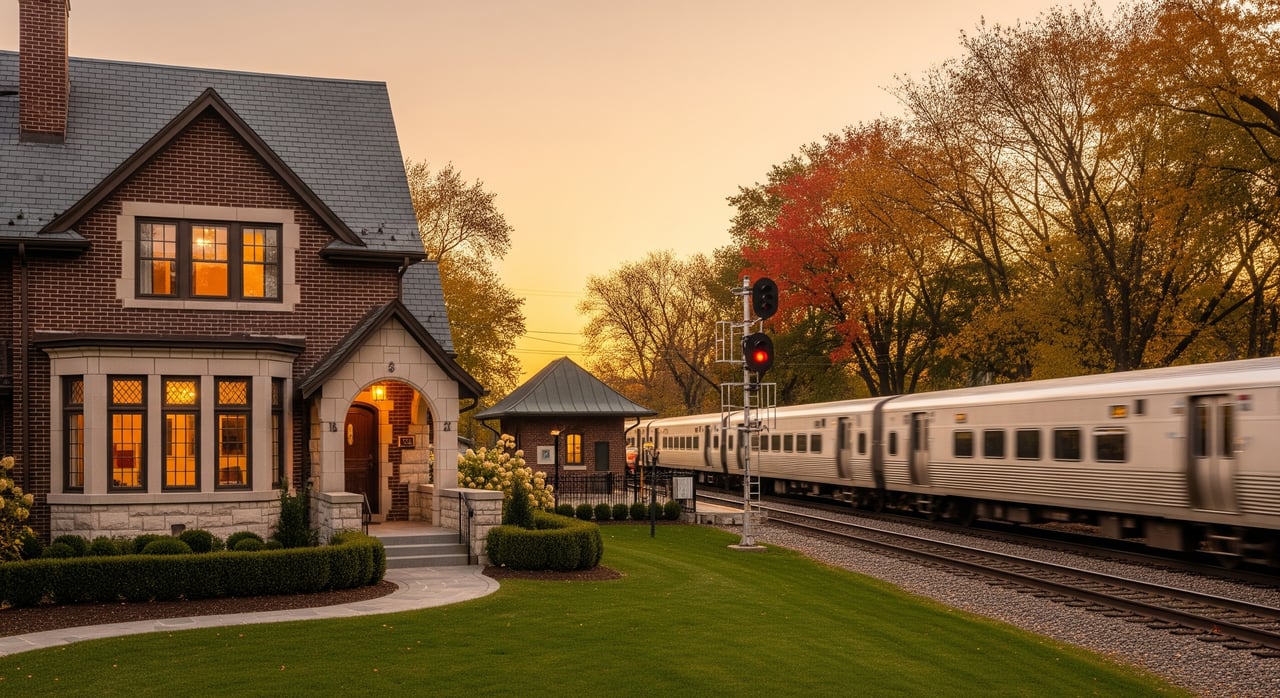
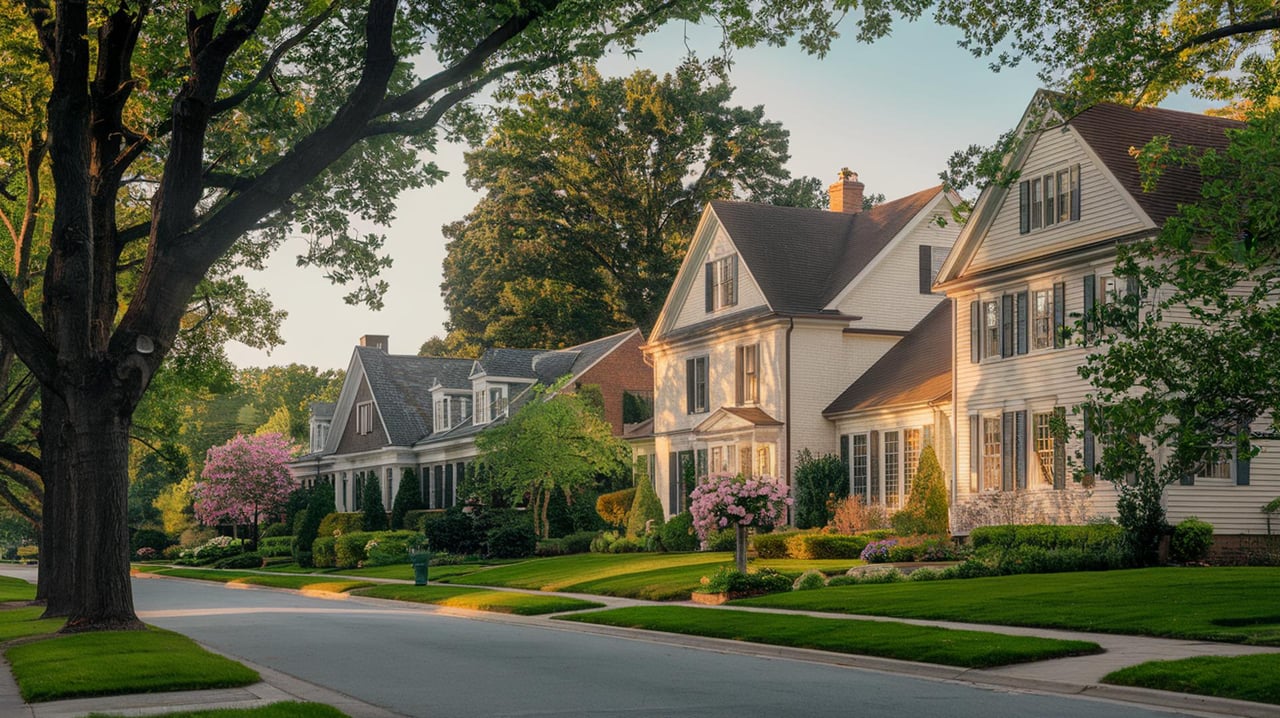
Countryside offers an established suburban setting in Cook County with a commuter-friendly location. The city describes itself as Chicago’s western gateway, and local planning data highlights its transportation access and active transportation improvements. If you want suburban living with practical access to surrounding areas, that can be a strong starting point.
It is also a relatively small community, which shapes the buying experience. CMAP’s 2023 snapshot estimates 6,294 residents and 2,729 households, while Census data shows a 72.0% owner-occupied housing rate. For you as a first-time buyer, that means you are looking at a mostly built-out, lived-in market rather than a large wave of new construction.
What Homes You Will Likely Find
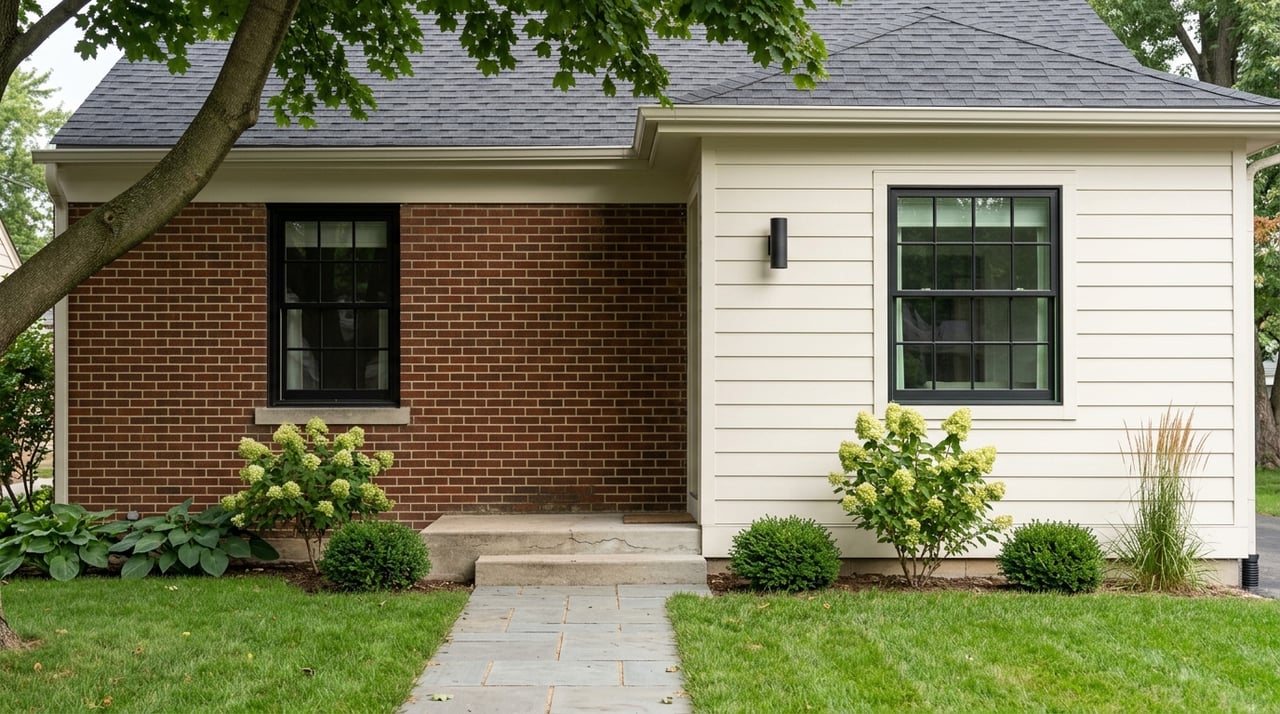
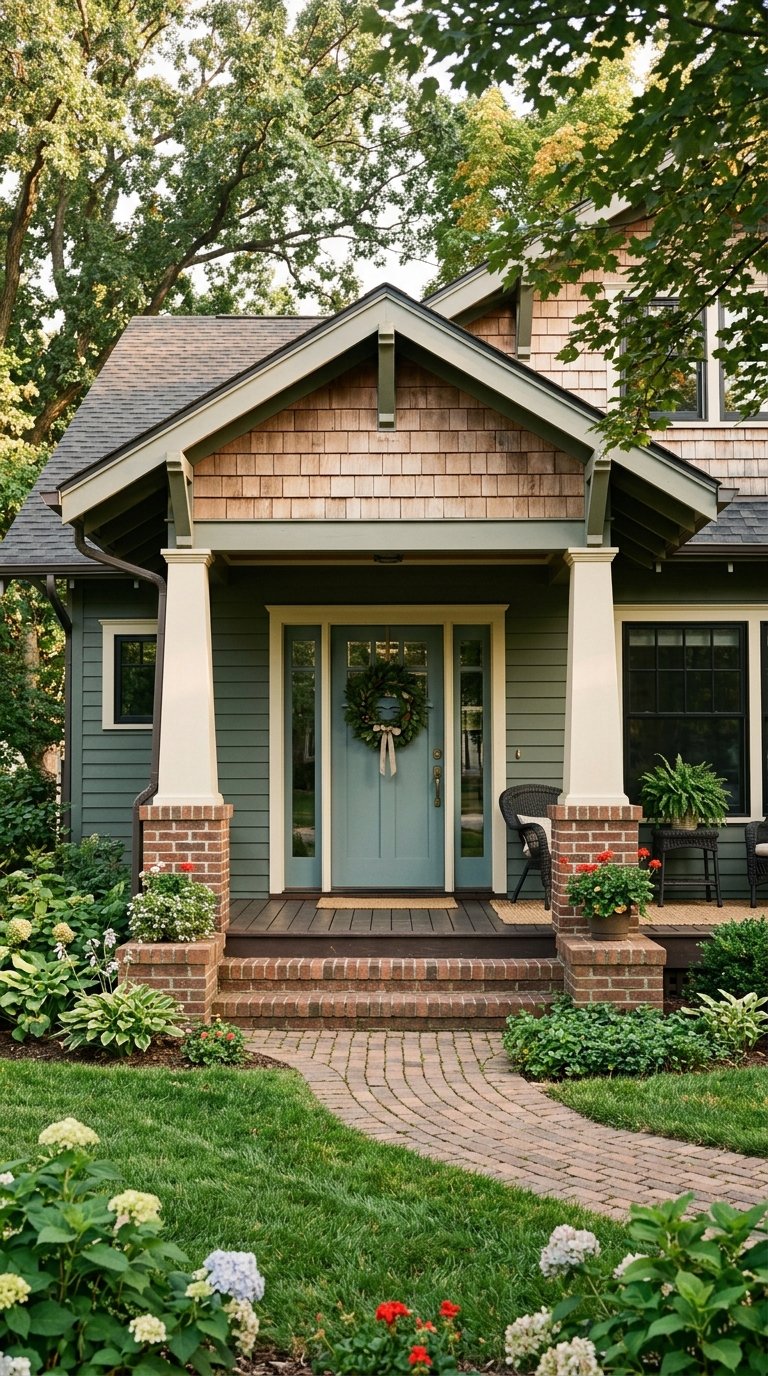
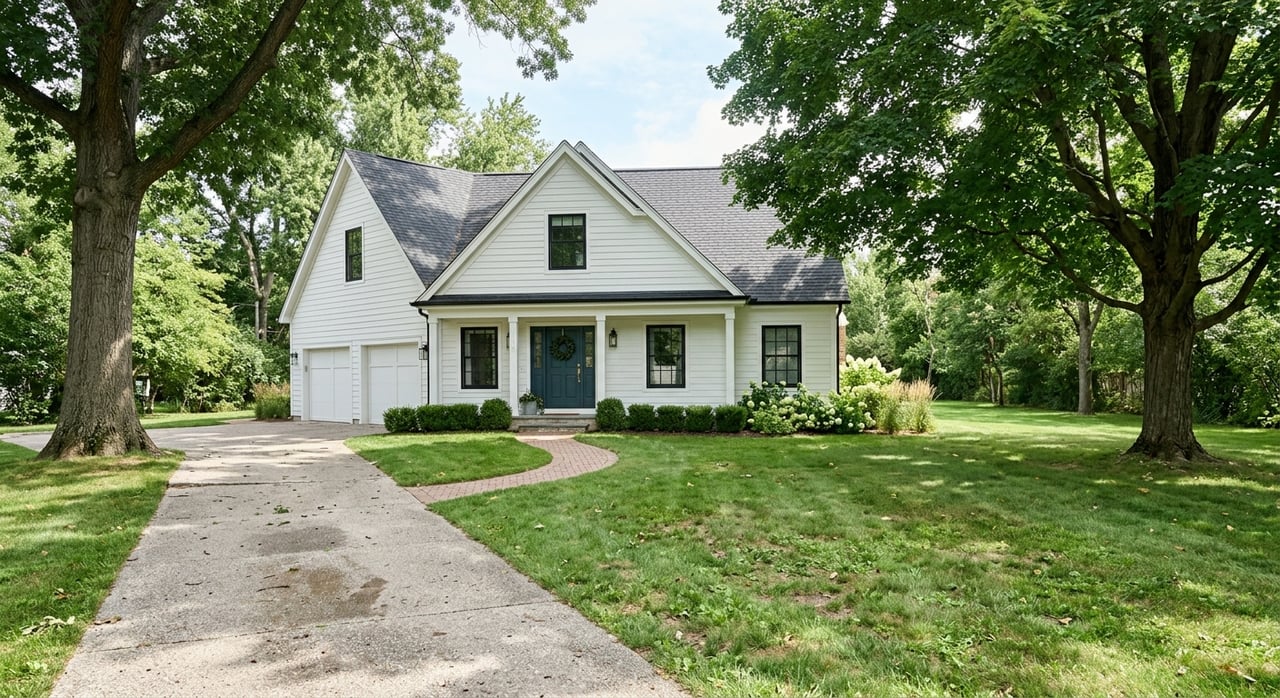
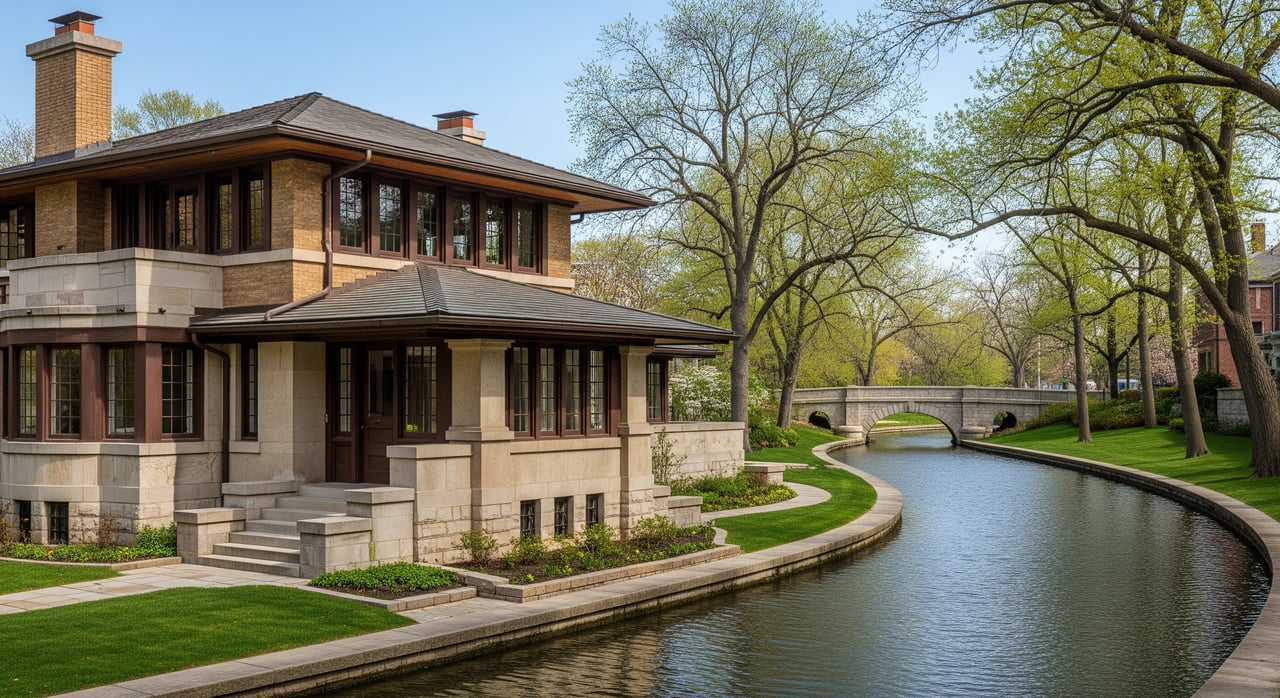
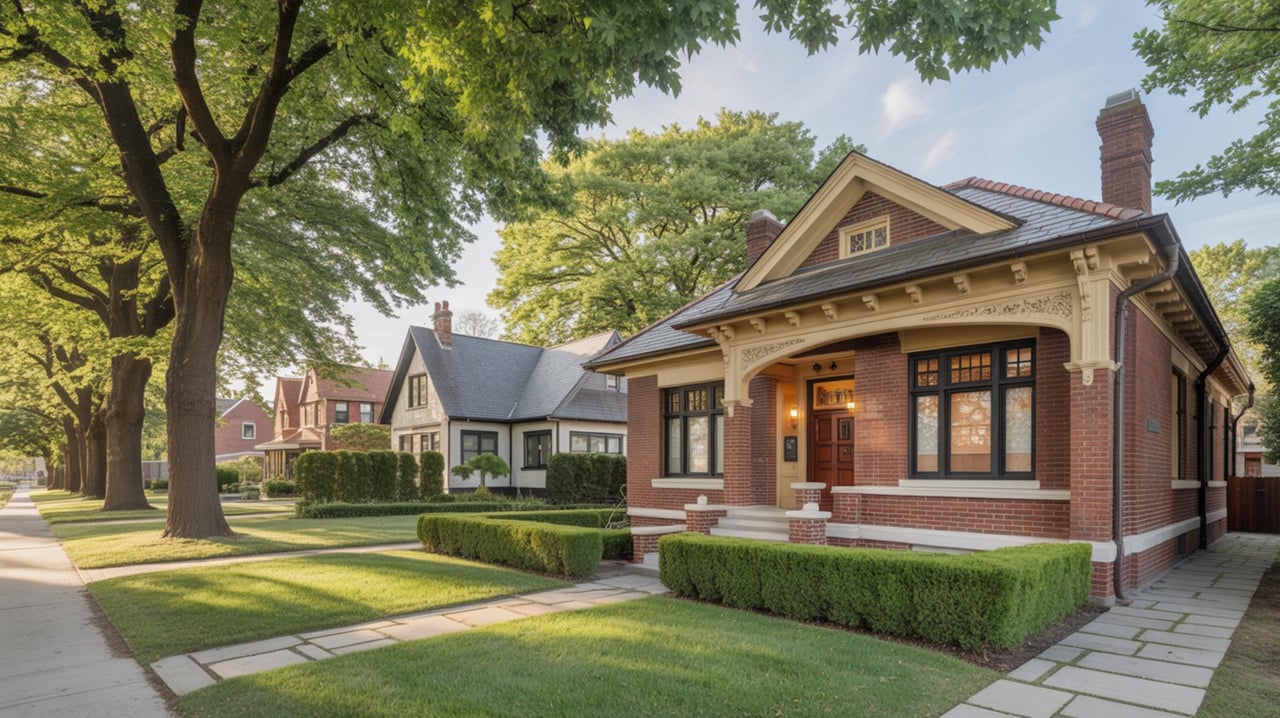
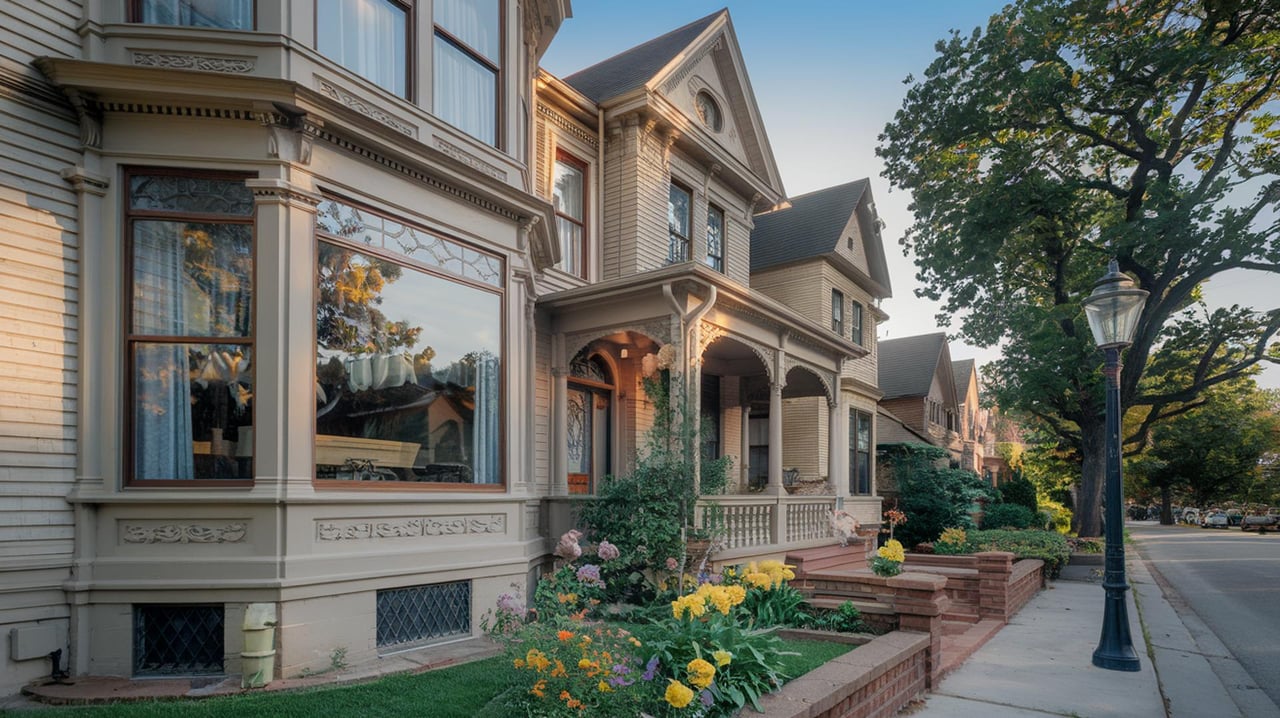
Countryside’s housing stock is older, and that matters when you start touring homes. CMAP reports a median year built of 1975, with many homes built between 1940 and 1989. In practical terms, you may find solid homes with character, but you should also expect that some properties will need updates or ongoing maintenance.
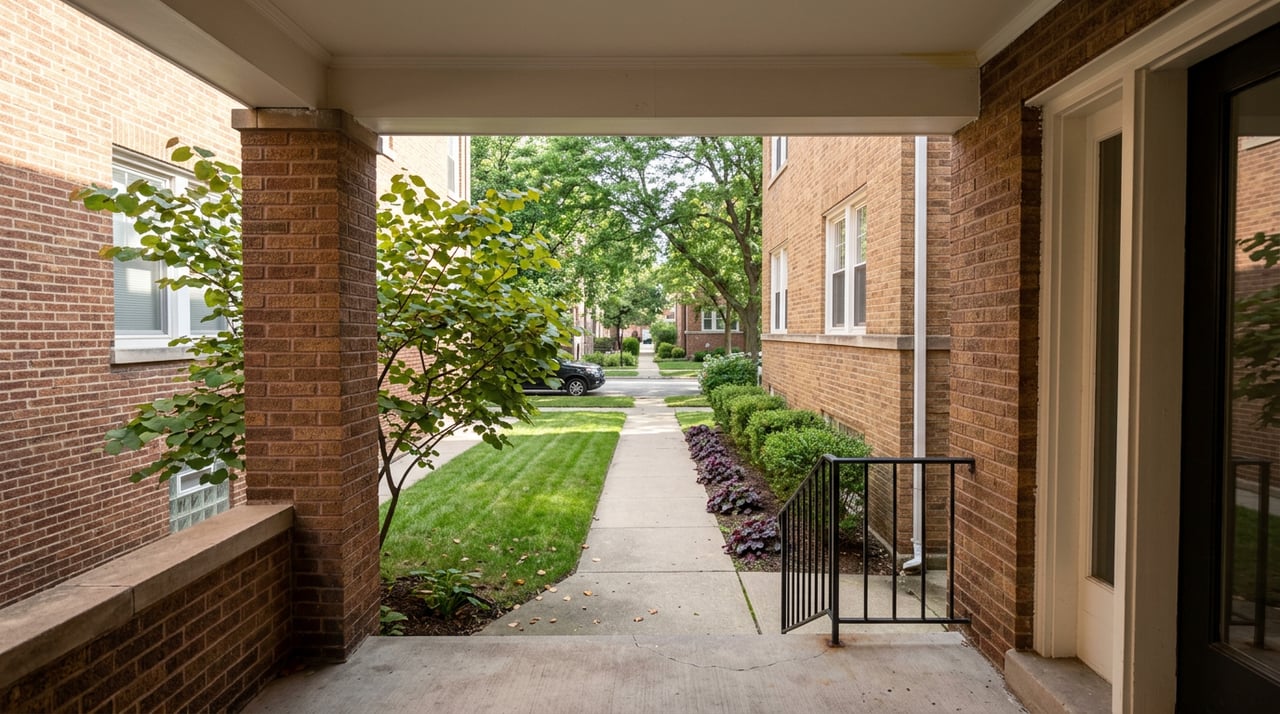
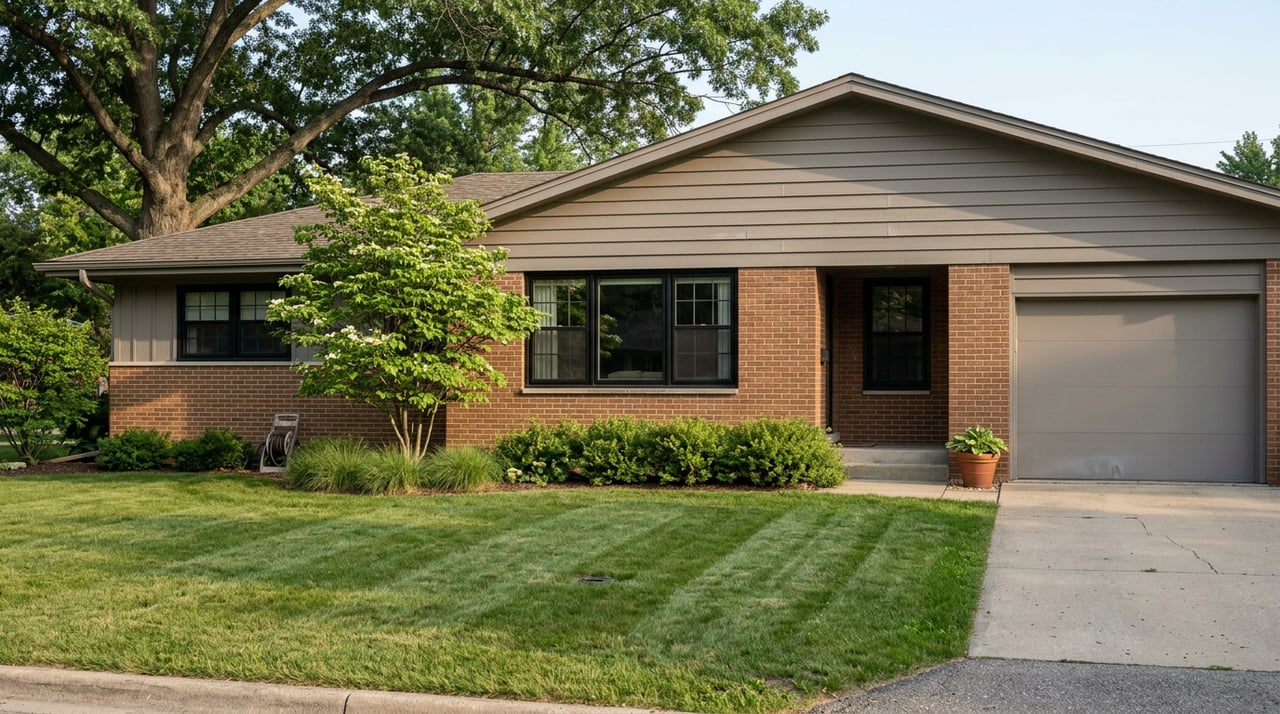
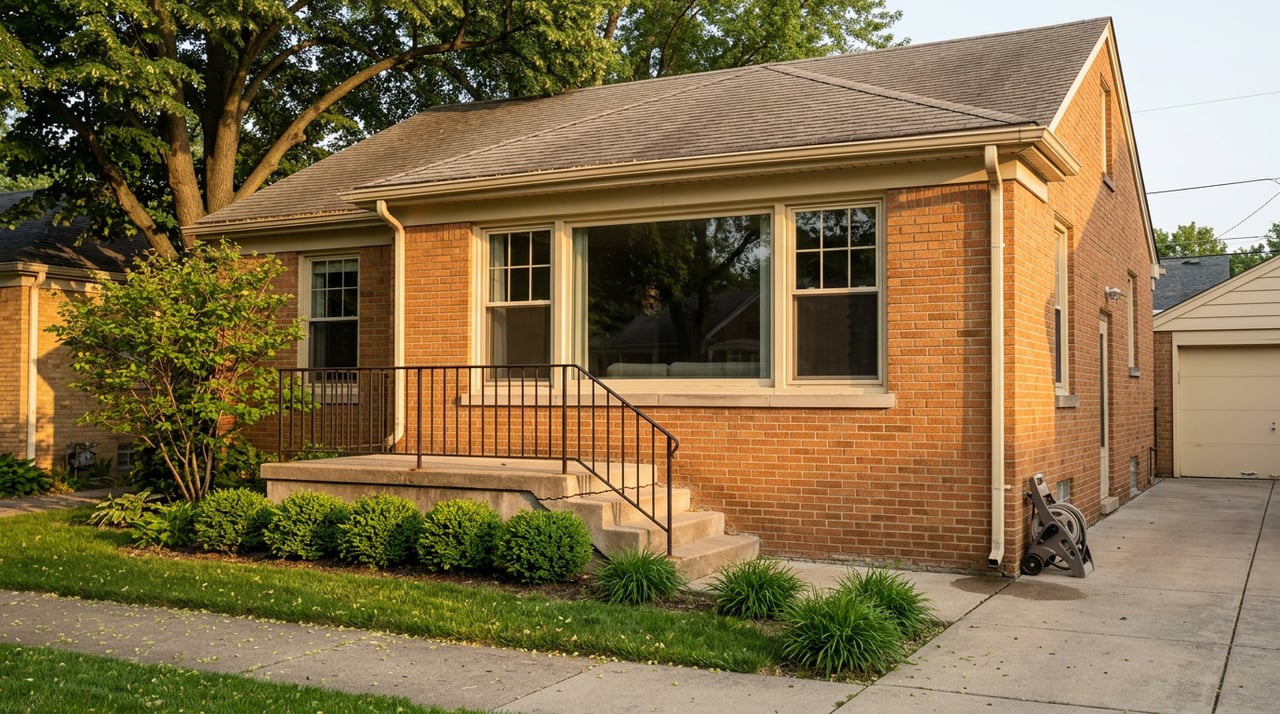
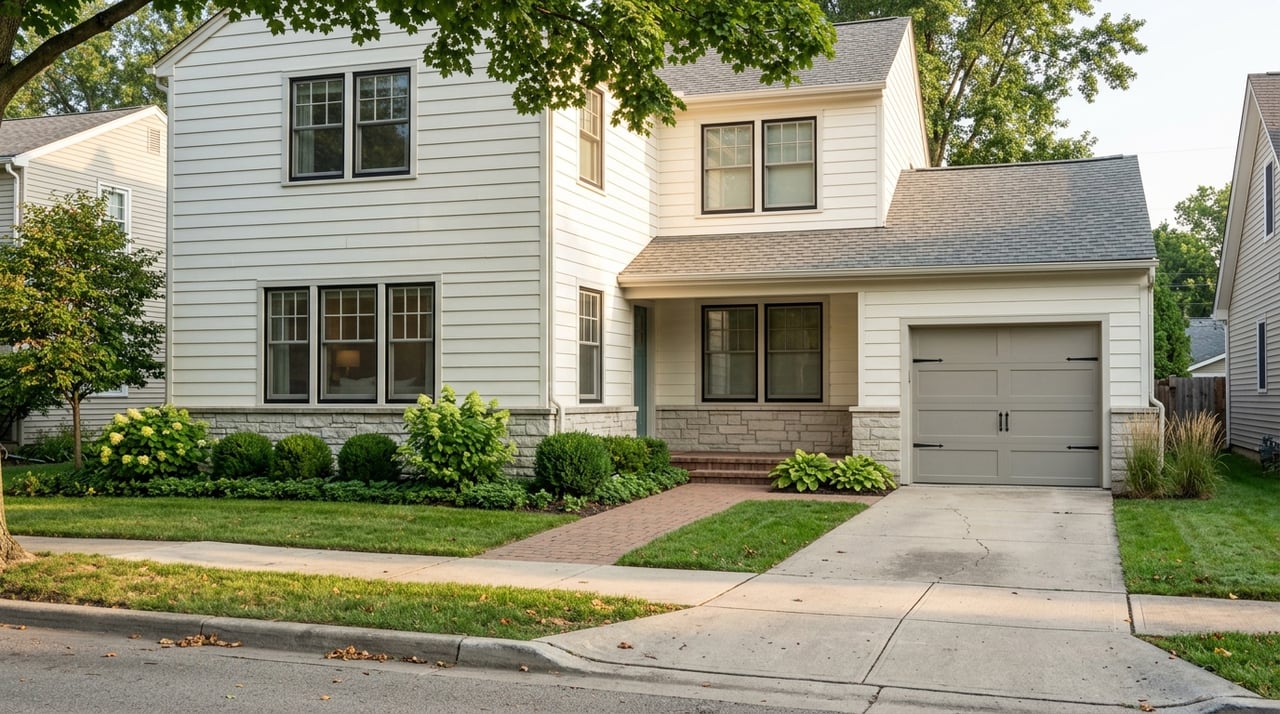
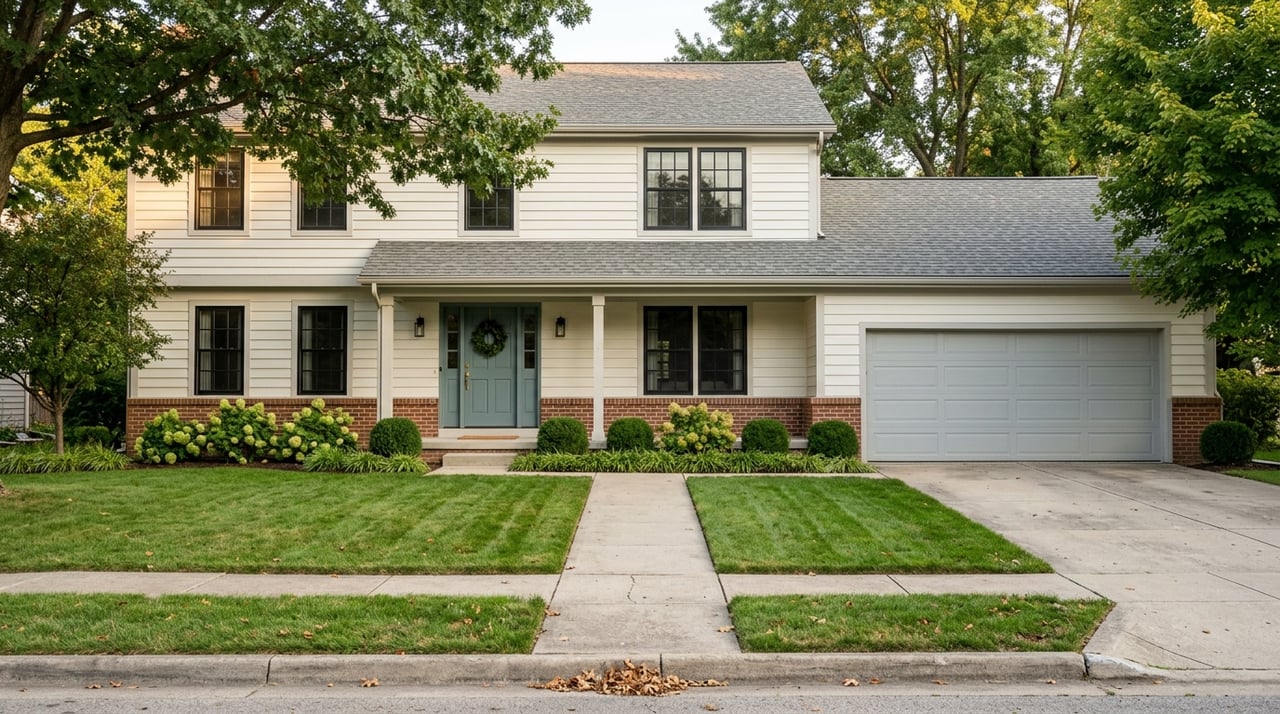
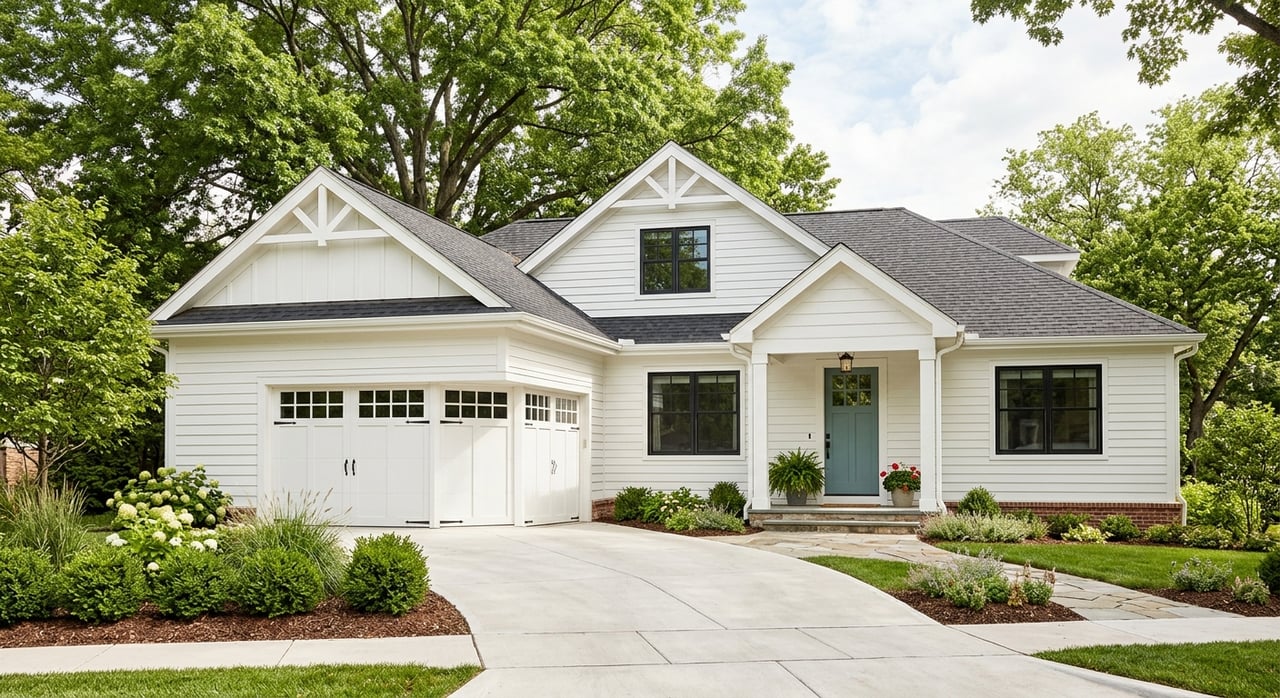
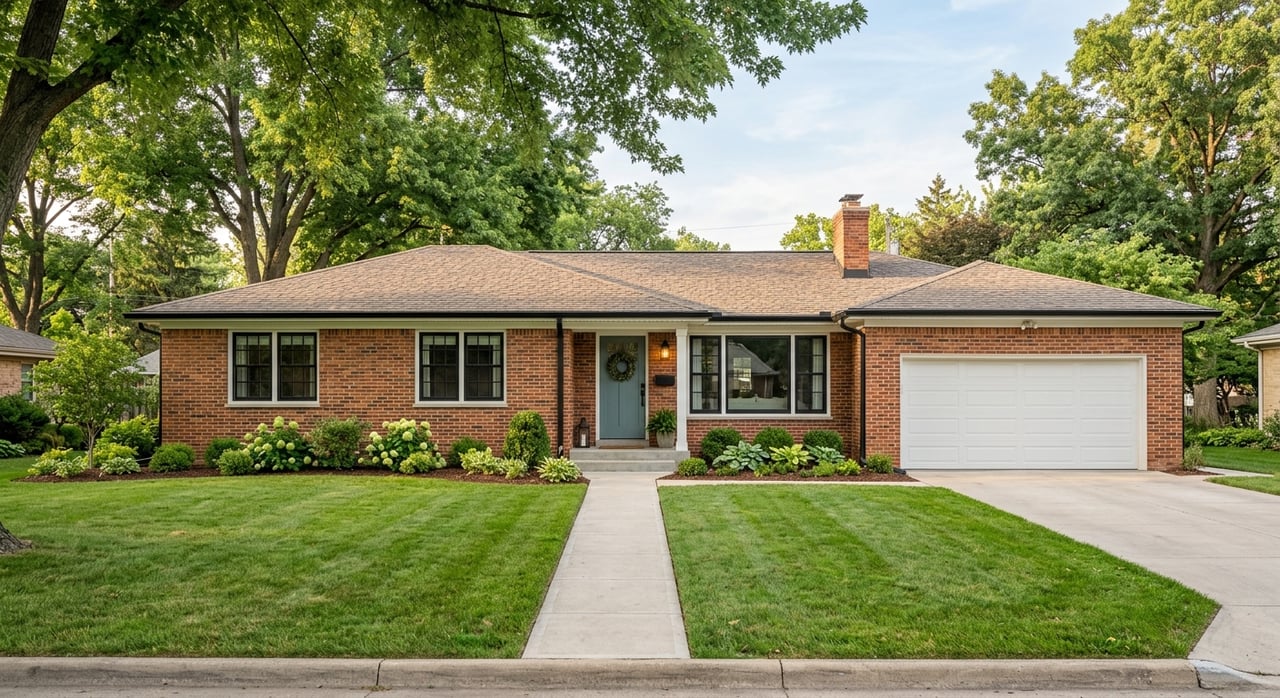
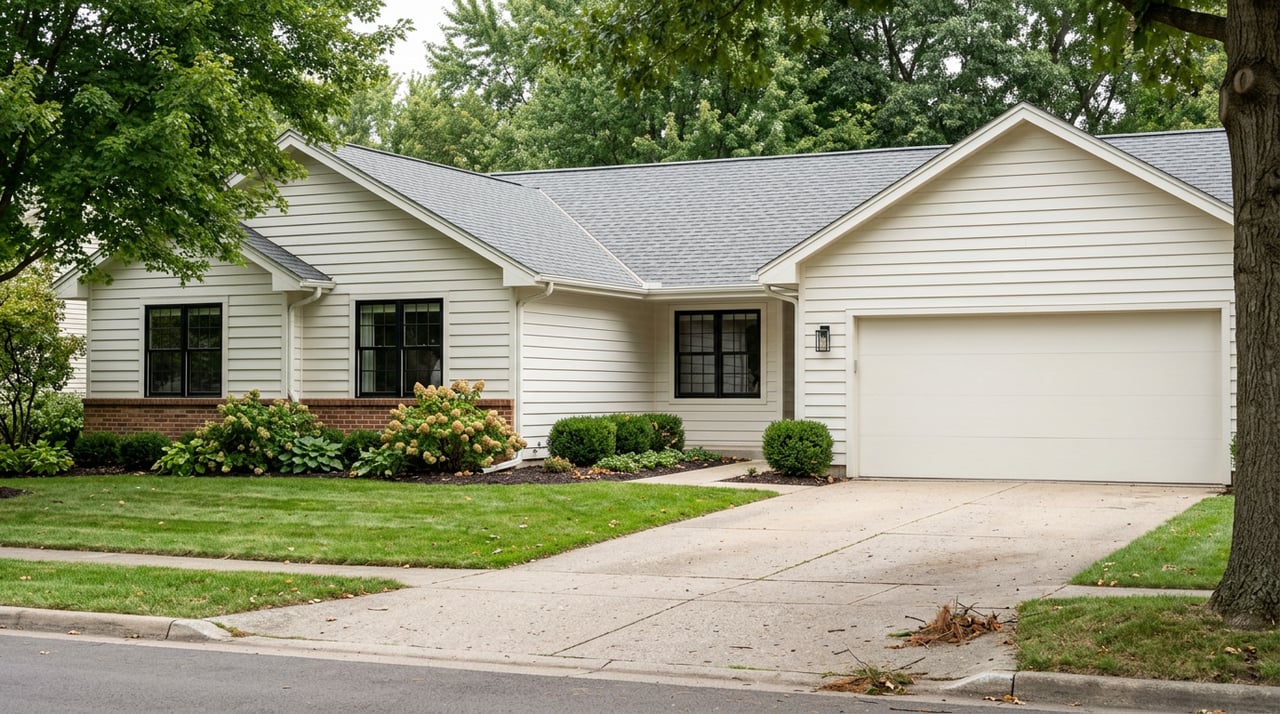
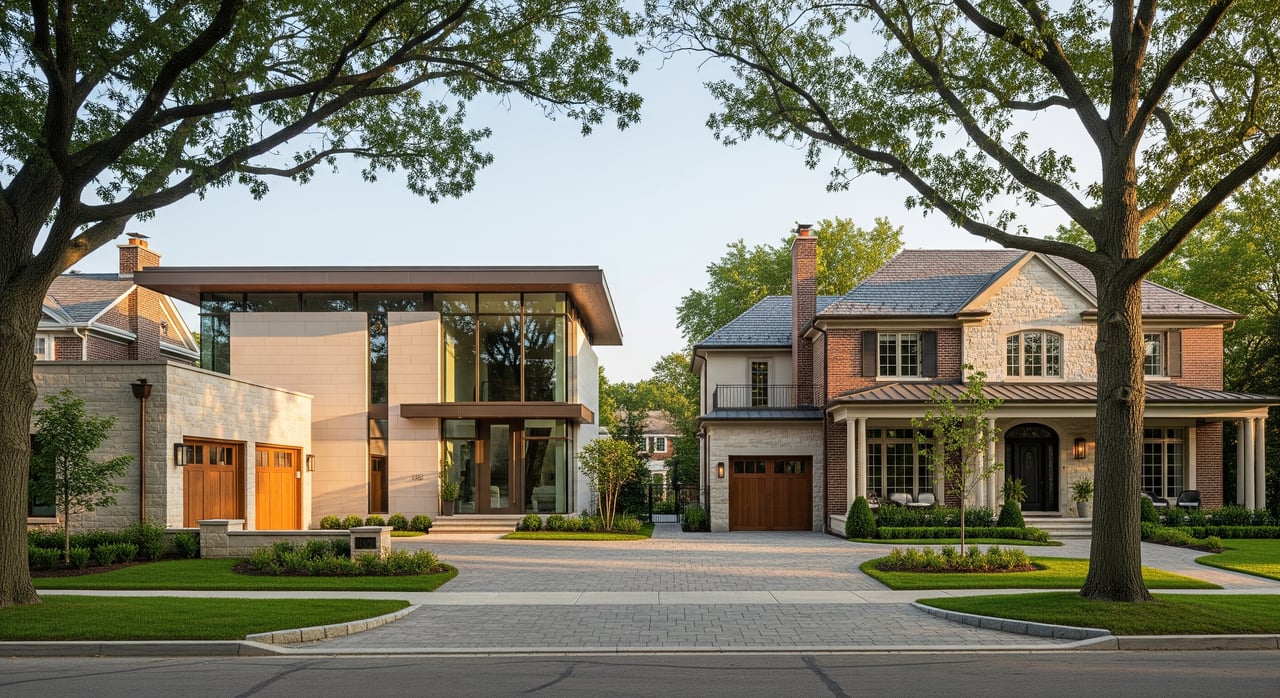
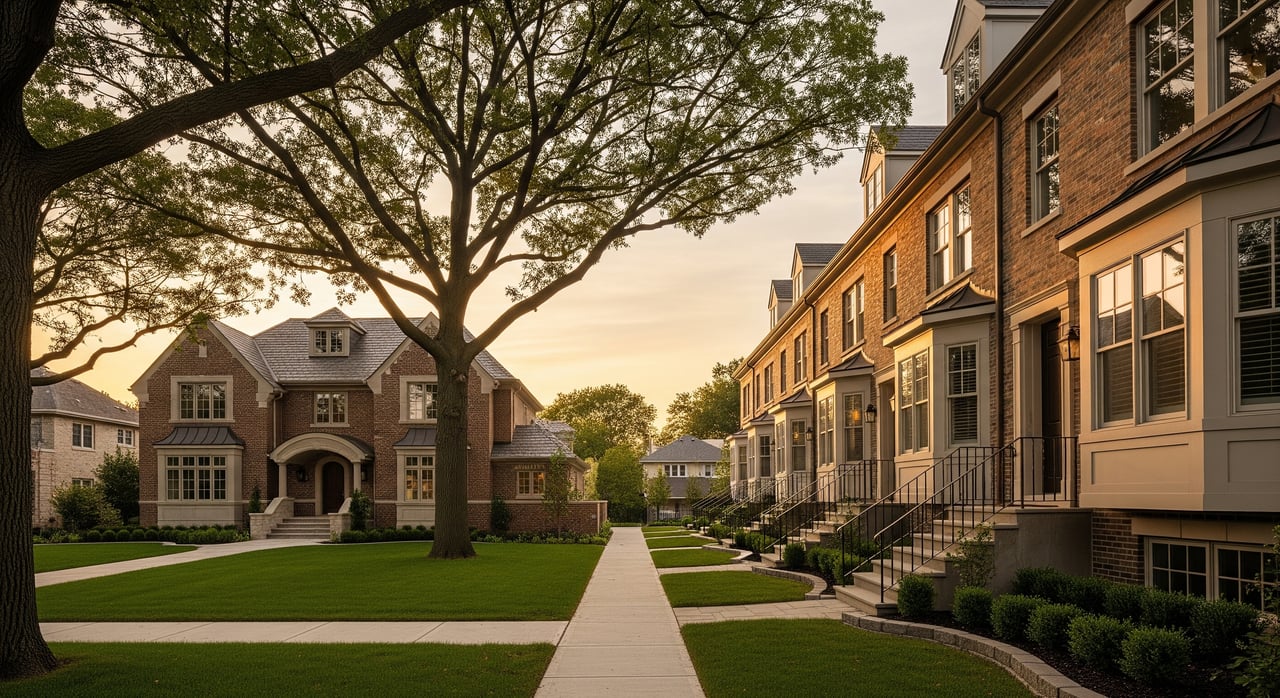
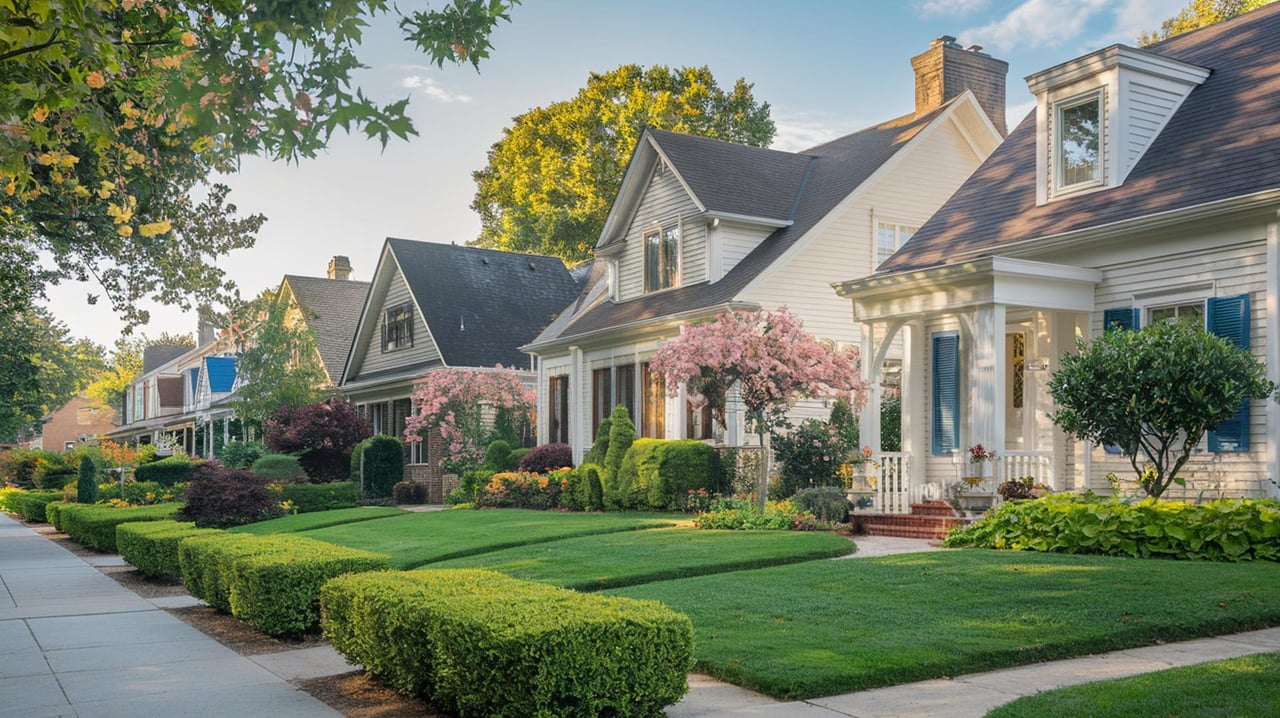
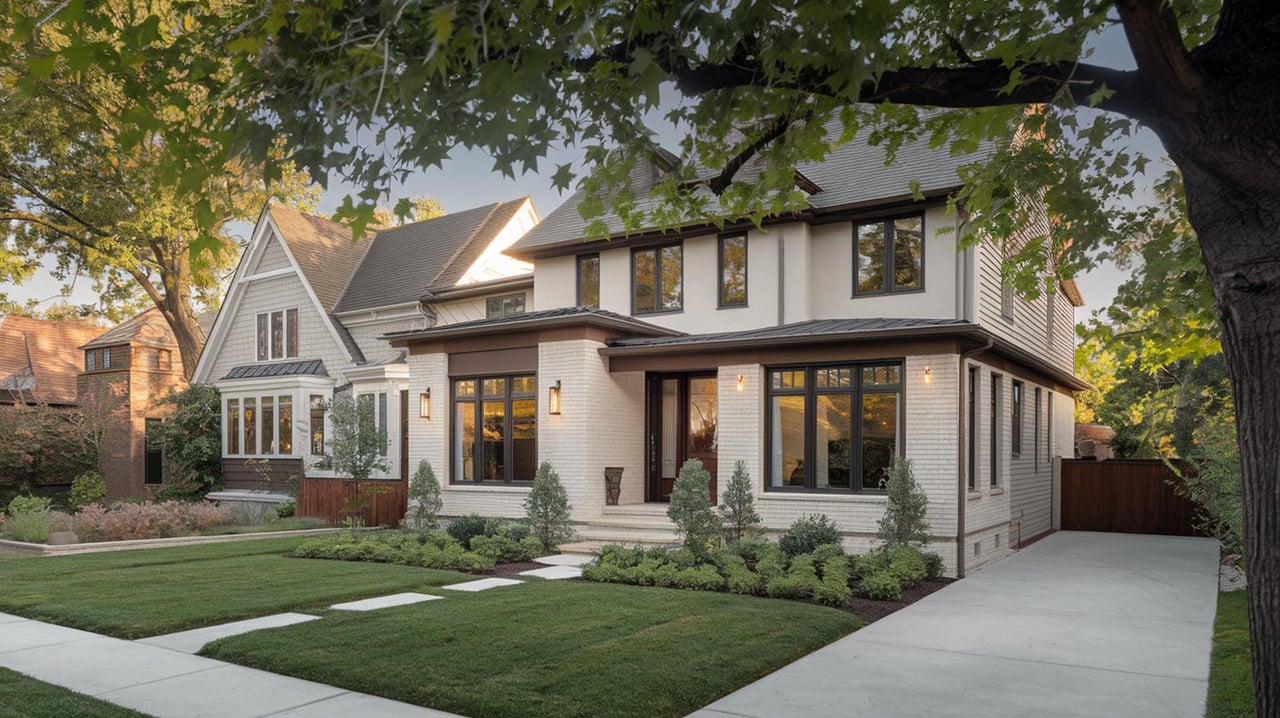
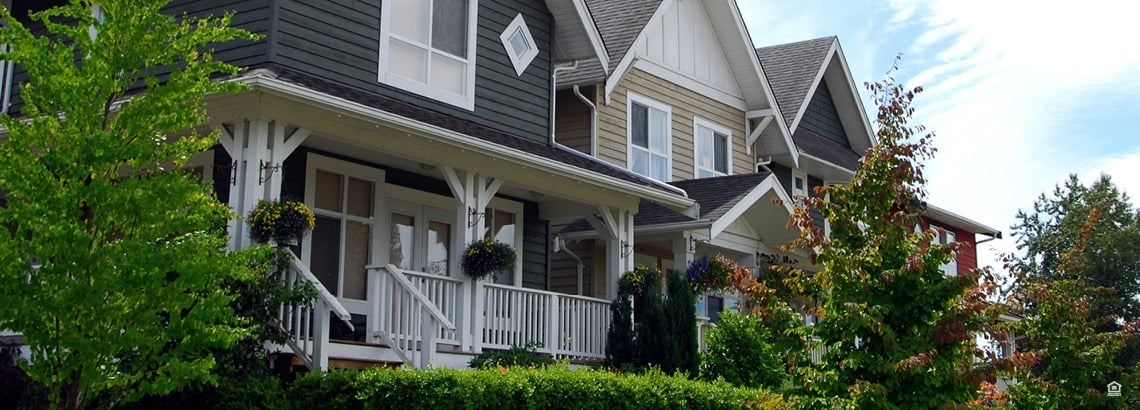
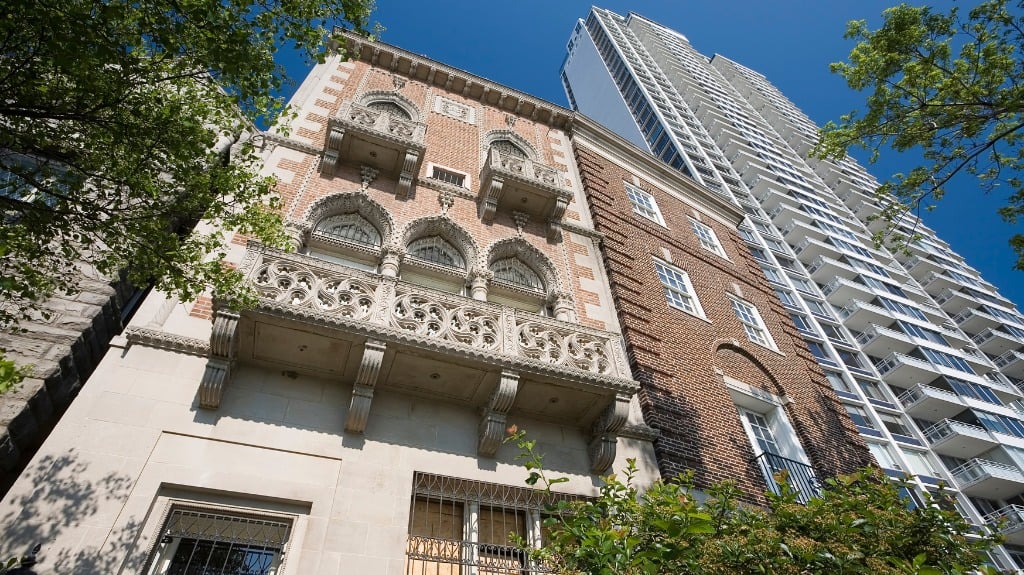
The mix of housing types gives first-time buyers more than one path into the market. About 43.2% of housing units are detached single-family homes, and 23.3% are in buildings with 20 or more units. That means your options may include a condo, a smaller detached home, or a property that needs cosmetic improvements.
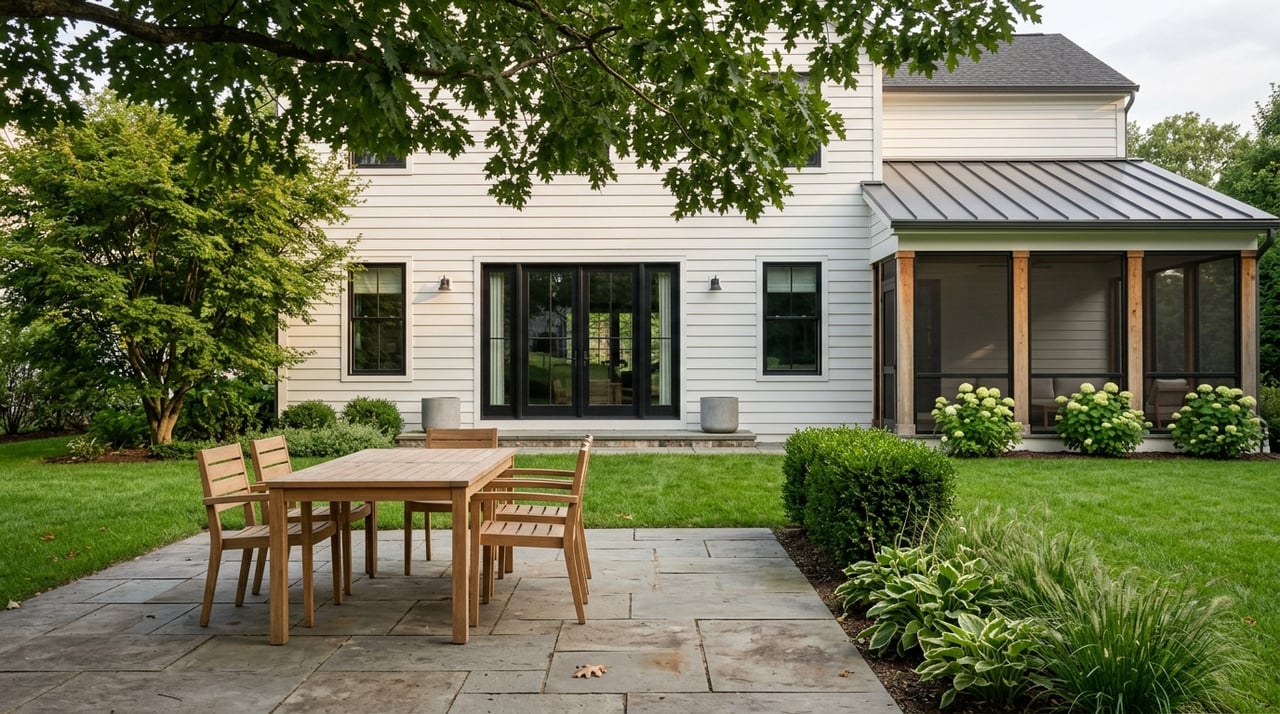
This variety can be helpful if you are balancing budget, space, and upkeep. A condo may offer a lower entry price and less exterior maintenance, while a detached home may give you more privacy and yard space. The right fit depends on your monthly budget, lifestyle, and how much work you want to take on.
What First-Time Buyers Should Expect on Price
Because Countryside is a small market, pricing data can look a little uneven from source to source. As of March 2026, Redfin reported a median sale price of $435,000, Realtor.com reported a median listing price of $449,900, and Zillow’s Home Value Index showed an average home value of $374,268. The clearest takeaway is not one exact number, but a likely starting conversation somewhere from the mid-$300,000s to the mid-$400,000s.
That range should be treated as a guide, not a rule. Smaller markets can have thin monthly data, and one or two sales can shift the numbers. You may also see meaningful differences between condos, smaller houses, and larger detached homes.
Recent public listing examples also suggest that entry points can vary. Condo listings have appeared in the mid-$100,000s to low-$200,000s, while detached homes have appeared in the mid-$400,000s and higher. Since that sample is limited, it is best used as a snapshot of possibilities rather than a promise of what will be available when you start looking.
Budget for the Full Cost of Ownership
One of the biggest first-time buyer mistakes is focusing only on principal and interest. Your true monthly housing cost may also include property taxes, homeowners insurance, mortgage insurance, HOA fees, utilities, and maintenance. Closing costs are another major line item, and consumer guidance commonly puts them at about 2% to 5% of the purchase price before your down payment.
That full-cost view is especially important in Countryside. CMAP’s Housing + Transportation measure puts the combined cost at 40% of income for a median-income family and 48% for a moderate-income family. Since 48% is above the standard 45% affordability threshold for that household type, it makes sense to build your budget around the total monthly picture from day one.
Transportation should be part of that math too. Countryside is largely car-oriented, with 70.1% of workers driving alone, 4.3% using transit, and a mean commute time of 25.2 minutes according to CMAP. If you are comparing this suburb with other options, your commute costs and driving habits should be part of your home search strategy.
How to Prepare Before You Start Touring
A smart first step is cash-flow planning. Before you look at listings, decide what monthly payment feels comfortable once you include taxes, insurance, utilities, repairs, and transportation. This helps you avoid falling in love with homes that strain your budget.
Next, get preapproved when you are ready to shop seriously. A preapproval letter helps clarify your price range and shows sellers that you are prepared to move forward. In a smaller market like Countryside, where inventory can be limited, that clarity can make your search much more efficient.
It also helps to define your must-haves early. You may need to choose between lower maintenance, more space, a shorter commute, or room to update over time. Knowing your priorities makes it easier to act when the right property comes along.
Condo or Single-Family Home?
For many first-time buyers in Countryside, this is the key decision. Both options can work well, but they solve different problems.
When a condo may make sense
A condo may be a good fit if you want a lower purchase price, a simpler lifestyle, or less exterior maintenance. It can also be a practical choice if you are buying your first home while balancing work, commuting, and a busy schedule. You will still want to review monthly HOA costs carefully, since those affect your full payment.
When a detached home may make sense
A detached home may be the better choice if you want more indoor space, private outdoor space, or more flexibility over future updates. You may also prefer a detached home if you plan to stay longer and want more control over the property. The tradeoff is that your maintenance responsibility is usually higher.
How to compare the real monthly cost
Instead of comparing only list prices, compare monthly ownership costs side by side. Include mortgage payment, property taxes, insurance, HOA fees if any, utilities, commute costs, and likely maintenance. That side-by-side view often gives you a clearer answer than the sticker price alone.
Property Taxes Matter in Cook County
In Cook County, property taxes are a major part of affordability. The county assessor explains that your bill depends on the property’s assessment, appeals, exemptions, and local tax levies. Properties are reassessed on a triennial cycle, which is another reason to look closely at the tax picture before you buy.
If the home will be your primary residence, the Homeowner Exemption is one of the most important tax breaks to know about. According to the Cook County Assessor, it saves the typical homeowner nearly $1,000 per year. For a first-time buyer, that can make a meaningful difference in annual housing costs.
Tax timing matters too when you plan escrow and annual cash flow. The Cook County Treasurer publishes installment due dates, including an April 1, 2026 first-installment due date. You do not need to memorize the calendar right now, but you do want to understand how taxes fit into your monthly payment.
Down Payment Help May Be Available
If saving for both a down payment and closing costs feels like the hardest part, statewide help may be available. IHDA’s Access Home program offers first-time homebuyers assistance equal to 6% of the purchase price, up to $15,000, for down payment and closing costs. That can be a meaningful boost if you qualify.
IHDA also notes that borrowers generally must contribute $1,000 or 1% of the purchase price, occupy the home as a primary residence, complete homeownership education, and meet income, purchase-price, and credit requirements based on the program. If you are exploring assistance, start early so you understand the requirements before making offers.
What Happens After You Get Under Contract
Once your offer is accepted, the process moves quickly. One of your first priorities is the home inspection, which should be scheduled as soon as possible. An inspection is different from an appraisal, and it gives you a clearer view of the home’s condition.
This matters even more in a market with older housing stock. Since many Countryside homes were built decades ago, inspections can help you understand likely repair needs, deferred maintenance, and future budgeting. Depending on your contract terms, the inspection period may also give you room to negotiate repairs or decide whether to move forward.
As closing gets closer, review your Closing Disclosure carefully. Buyers should receive this at least three business days before closing, giving you time to confirm your loan terms and closing costs. A final walk-through before signing is also an important step, since it lets you confirm the property’s condition before ownership transfers.
Why Local Guidance Makes a Difference
In a place like Countryside, local insight can save you time and stress. Smaller markets often have fewer comparable sales, different housing types at different price points, and listing data that does not always tell the whole story. That is where careful local analysis becomes especially valuable.
A knowledgeable buyer’s agent can help you weigh condo-versus-single-family tradeoffs, interpret pricing in a thin-data market, and keep the transaction moving through inspection, appraisal, and closing. Just as important, you get help staying focused on the full cost of ownership, not just the asking price. For a first-time buyer, that kind of support can make the experience feel much more manageable.
If you are thinking about buying your first home in Countryside, a calm, well-planned approach will serve you well. Start with your real monthly budget, stay flexible on housing type, and look closely at taxes, transportation, and maintenance before you commit. When you are ready for personalized guidance, LaBelleSells can help you navigate the Countryside market with clarity and confidence.
FAQs
What is the typical price range for first-time buyers in Countryside?
- Current local data suggests many first-time buyer conversations may start in the mid-$300,000s to mid-$400,000s, but smaller condos may appear lower and detached homes may run higher depending on size, condition, and location.
What kinds of homes can first-time buyers find in Countryside?
- First-time buyers in Countryside may find condos, smaller detached single-family homes, and older homes that need updating, since the housing stock is mostly established rather than newly built.
Why should first-time buyers in Countryside budget beyond the mortgage?
- In Countryside, your true monthly cost may include property taxes, insurance, HOA fees, maintenance, utilities, and transportation expenses, which can significantly affect affordability.
Are there first-time buyer assistance programs available in Illinois?
- Yes. IHDA’s Access Home program offers eligible first-time homebuyers assistance equal to 6% of the purchase price, up to $15,000, for down payment and closing costs.
What property tax break should a Countryside first-time buyer know about?
- If the home is your primary residence, the Cook County Homeowner Exemption is an important benefit to review, and the Cook County Assessor says it saves the typical homeowner nearly $1,000 per year.
Why is preapproval important for buying a first home in Countryside?
- Preapproval helps you understand your true budget before touring homes and can make your offer stronger in a smaller market where available listings may be limited.