Thinking about a move in Western Springs? If your week includes trips to downtown Chicago, the BNSF Metra can shape what you value most in a home. From pricing to daily convenience, living a short walk from the station changes the way buyers search and how sellers market. In this guide, you’ll learn how the Western Springs station influences demand, what trade-offs to expect, and how to evaluate listings with clarity. Let’s dive in.
Why the BNSF matters in Western Springs
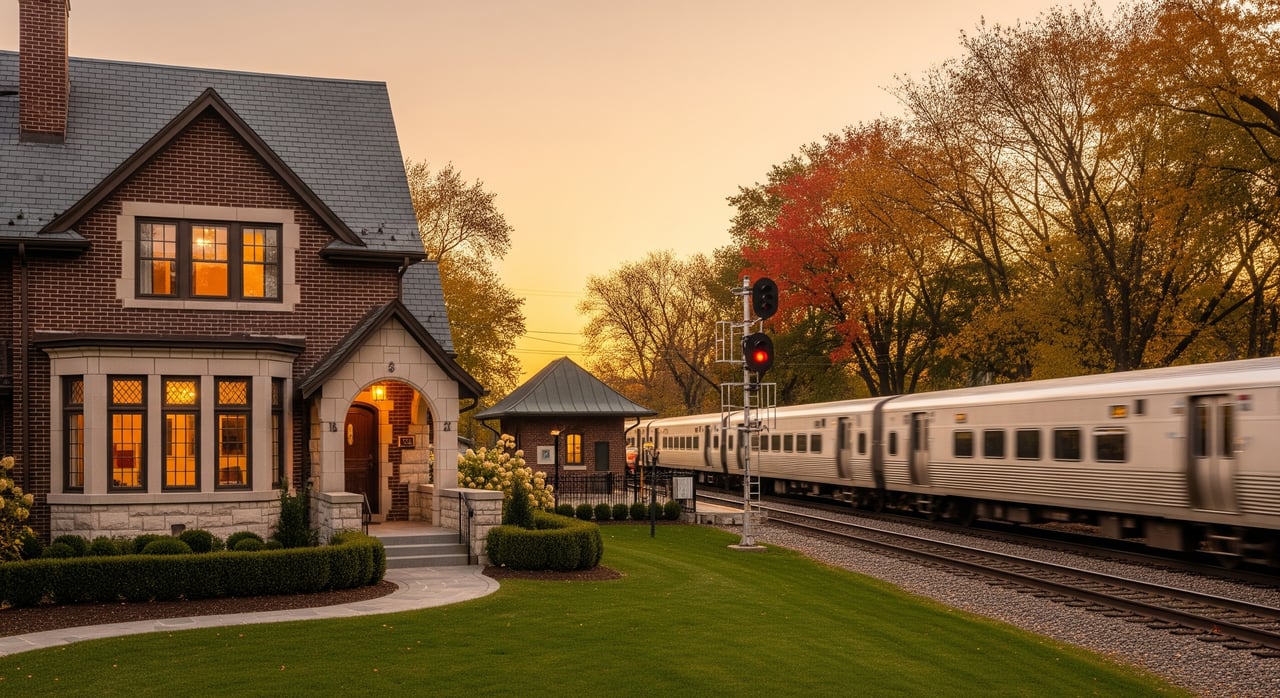
Western Springs sits on the Metra BNSF Railway Line, one of Metra’s busiest commuter routes linking the western suburbs to Chicago’s Union Station. Trains run directly to the Loop, so you avoid transfers and can rely on a predictably timed commute. During peak hours, riders often benefit from relatively frequent service compared to more circuitous options.
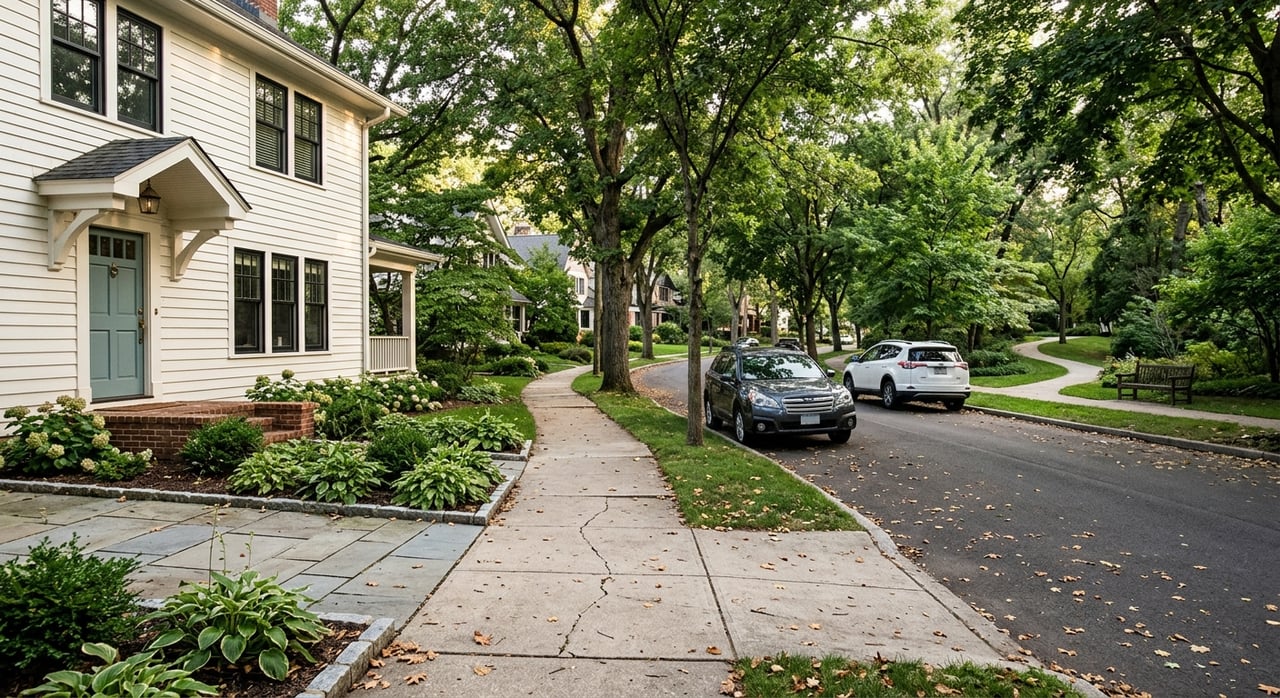
The station anchors a compact downtown core where you can grab coffee, run quick errands, or meet friends after work. That walkable village feel draws buyers who want an easy commute paired with everyday convenience. It also gives sellers near the station a clear marketing edge when the listing highlights a short, straightforward walk.
How station proximity influences price
Proximity to reliable commuter rail often creates a micro-location premium. In many markets, homes closer to a high-quality station command higher prices because they save time and reduce commuting stress. The size of that premium varies by place, property type, and buyer preferences. In Western Springs, the walk-to-train lifestyle is a known draw for weekday commuters and for anyone who wants a lively yet manageable village center.
That said, not every buyer is commute-driven. Some prioritize larger lots or quieter blocks away from the tracks. These parallel demand segments can flatten price gaps at certain price points, so it pays to look beyond straight-line distance and analyze how a specific home compares within its micro-area.
What drives the premium
- Walk time to the station. A five-minute walk can value differently than a twelve-minute walk, even if the mileage is similar.
- Service quality and frequency. Direct trains to Union Station and more trains during commuting windows increase the utility of a walk-to-train location.
- Station-area amenities. Sidewalks, cafés, retail, daycare, and simple errand routes add day-to-day value.
- Parking context. When station parking is limited or costly, living close enough to walk often matters more.
- Trade-offs. Noise, vibration, and busier streets near the station can offset some buyers’ willingness to pay.
How demand shows up in Western Springs
Listings that advertise a “short walk to Western Springs Metra” typically attract strong showing activity from weekday commuters. During market peaks, that convenience factor can translate into faster offers for well-prepared homes. Sellers who quantify walk times and highlight real-world commute benefits tend to stand out.
When closer is not always better
Homes immediately adjacent to tracks can face more noticeable noise and privacy concerns. For some buyers, a short drive or bike ride to the station feels like a better balance. This is why micro-location matters. Two similar homes a few blocks apart may perform differently based on walk route, noise exposure, and how easily you can access downtown services.
Daily convenience and lifestyle
A dependable rail commute offers predictable timing, the ability to read or work on the train, and freedom from traffic or downtown parking. In many suburbs, rail also provides flexibility for off-peak trips, depending on the timetable. Frequency outside of weekday rush can shape how useful the train is for weekends, reverse commutes, or midday appointments.
If you rely on the train, check the current BNSF schedule so you understand peak and off-peak options. You can review schedules and service updates by visiting the official Metra website and navigating to the BNSF timetable. For the most current details, start with the Metra homepage and use the schedule tools there.
- Tip: Confirm times and frequency by reviewing the BNSF schedule on the Metra site. Begin at the main Metra portal by visiting the Metra website and searching BNSF schedules.
Parking also matters. Lot capacity, permit requirements, and cost can influence whether a buyer values living within walking distance or prefers to drive to the station. If permits are limited or lots fill early, the walk-to-train premium may be more pronounced.
Trade-offs to weigh
- Noise and vibration. Proximity to active tracks can bring horn use at crossings, passing train noise, and occasional vibration. Visit during peak periods to experience it firsthand.
- Parking and traffic. Morning and evening rush can increase activity on nearby streets and affect curbside parking for residents and guests.
- Safety and perception. Grade crossings and after-dark activity around stations may factor into household routines. Check lighting, crossings, and routes you would use most.
- Resale and buyer pool. Immediate adjacency to tracks can narrow the pool to commute-focused buyers. Homes a few blocks away often appeal to a broader audience.
How to evaluate a listing near the Western Springs station
Use this practical framework to compare homes around the station with confidence.
Distance and walkability
- Measure actual walk time, not just distance. Account for sidewalks, crossings, and any detours.
- Use simple bands for comparison: immediate (0–2 blocks or about 0–5 minutes), short (3–6 blocks or about 5–12 minutes), and peripheral (more than 6 blocks or more than 12 minutes).
- Walk the route to confirm it is direct, well lit, and comfortable in all seasons.
Train schedule and frequency
- Review how many inbound trains arrive during your typical morning window and whether there are midday or reverse-commute options that fit your lifestyle.
- Check weekend and off-peak service if you plan to use the train beyond 9–5 commuting.
- For the latest timetables and service notices, consult Metra’s official site and search for the BNSF line.
Parking and station access
- Confirm whether station lots require permits, how much they cost, and if they fill early.
- Note on-street parking rules on nearby blocks and any guest parking constraints for your home.
- Evaluate whether a property’s private driveway or garage solves commuter parking needs.
Noise and siting factors
- Visit at least four times: weekday peak, mid-day, evening, and weekend. Listen for horns at crossings and feel for vibration.
- Check how primary rooms and outdoor spaces relate to the tracks. Orientation and fencing can change the experience.
- Look for mitigation features like upgraded windows, added insulation, or landscape buffers.
Comparable sales analysis
- Pull 12–24 months of nearby closed sales and group them by walk-time bands to the station.
- Compare median price per square foot, sale-to-list ratios, and days on market while adjusting for bedrooms, baths, lot size, and condition.
- Control for school boundaries and lot type where relevant. This produces a defensible read on any walk-to-train premium.
Buyer profile fit
- Daily commuter: values a short, reliable walk, frequent trains, and minimal parking dependence.
- Household seeking village convenience: prioritizes errands on foot, cafés, and services near the station.
- Space-first buyer: may trade proximity for quieter blocks or larger yards a bit farther out.
- Investor: may see steady interest from renters who rely on transit, depending on local rules and building type.
Seller game plan around the Metra
If you live near the Western Springs station, lean into what buyers value while addressing common questions upfront.
- Lead with specifics. State the walk time, the direct route, and the number of trains during typical commute windows as documented from current schedules.
- Show the lifestyle. Highlight cafés, services, and simple errand routes that make the daily rhythm easier.
- Mitigate concerns. Note sound-reducing windows, insulated walls, landscape buffers, and how outdoor spaces are positioned relative to the tracks.
- Price with precision. Compare recent sales by walk-time bands and adjust for size, updates, and lot differences. Homes immediately adjacent to the tracks may require a tighter pricing strategy.
- Prepare the property. Professional staging, light updates, and exterior touch-ups help maximize first impressions in a high-traffic showing environment near downtown.
Local expertise that protects your outcome
A station’s value is hyperlocal. The right analysis looks block by block at walk time, schedule utility, parking rules, and noise. It also weighs your goals, timing, and the current inventory picture. With deep neighborhood mastery along the BNSF corridor, white-glove prep, and data-driven pricing, you can make a confident decision and capture the most value.
Ready to map the right streets and compare real-world premiums for your situation? Connect with a local advisor who can pull the exact comps, confirm current Metra details, and tailor a plan for your move. Schedule a complimentary consultation with LaBelleSells.
FAQs
How does the BNSF Metra affect Western Springs home prices?
- Many markets see a micro-location premium for walk-to-train homes, but the size varies by walk time, service frequency, amenities, and trade-offs like noise.
What walk time to the Western Springs station do buyers value most?
- Short, direct walks of roughly 5–12 minutes often attract commuter interest, though preferences vary by buyer and property features.
How can I assess train noise and vibration near a listing?
- Visit during weekday peaks and after dark, stand in key rooms and the yard, and note horn use, vibration, and any soundproofing measures.
What should I check about station parking before I buy?
- Confirm permit rules, costs, and typical fill times for lots; then weigh whether living within walking distance offsets those factors.
Is living very close to the tracks better for resale?
- It can help with commuter buyers but may limit appeal for those prioritizing quiet; pricing and marketing should reflect that narrower buyer pool.