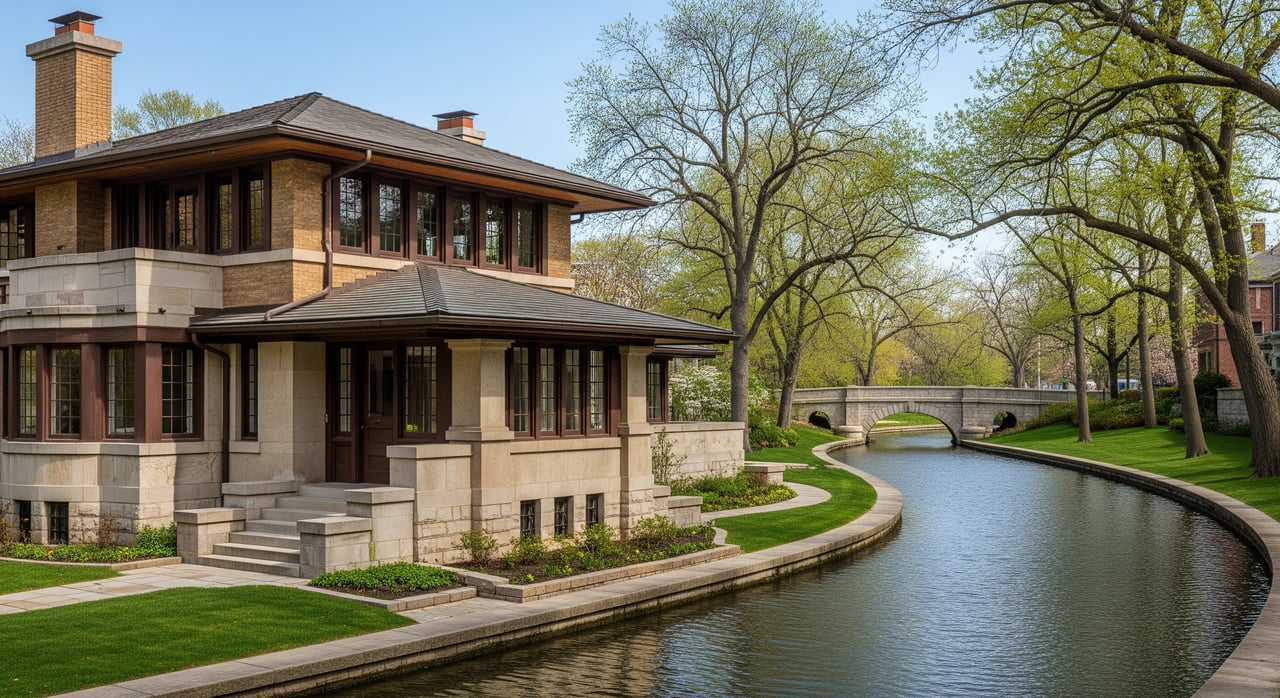
Love the character of Riverside’s winding streets and storied homes, but unsure what “historic” means for your budget and plans? You’re not alone. Buying in a landmarked village comes with rewards, plus a few rules and extra steps. In this guide, you’ll learn how Riverside’s historic status works, what approvals you may need, realistic costs and timelines, and smart ways to plan your purchase. Let’s dive in.
What “historic” means in Riverside
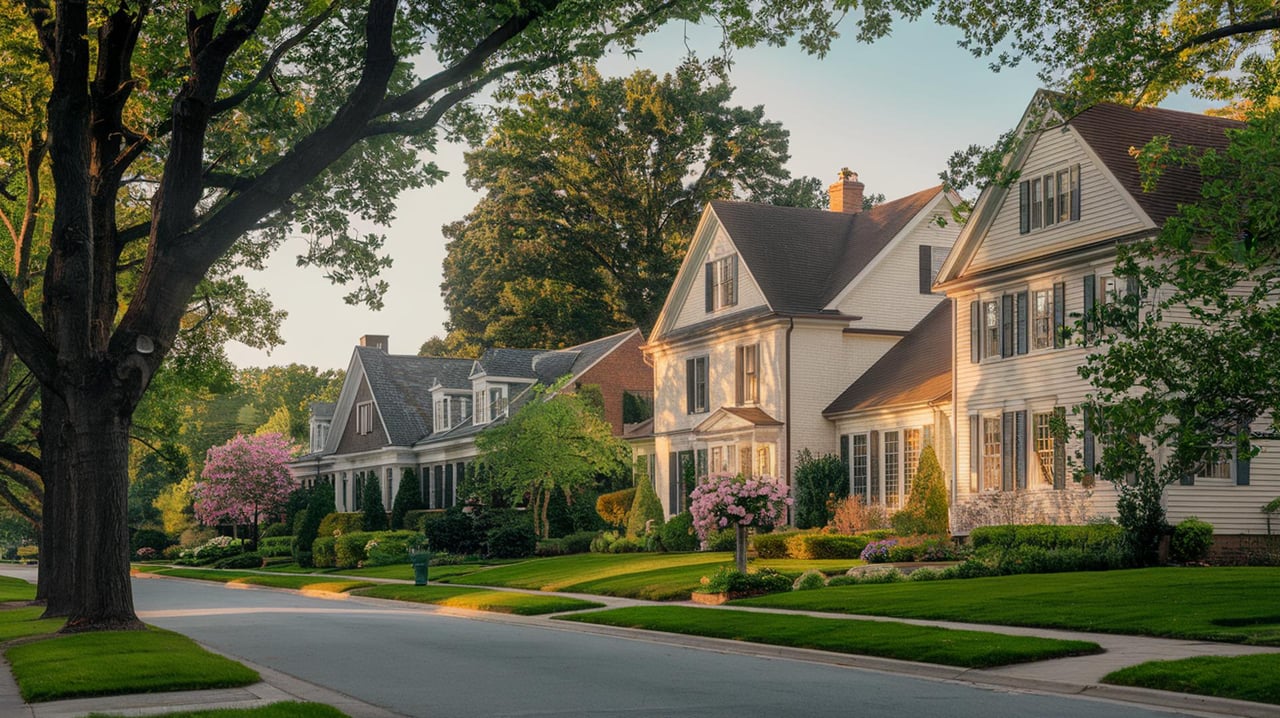
Riverside is a planned landscape community associated with Frederick Law Olmsted and Calvert Vaux. Much of the village is recognized for its historic and design significance. That can include National Register or National Historic Landmark status, and it may also include local landmark or district controls set by the Village of Riverside.
It is important to separate two ideas. Federal and state listings, like the National Register, are typically honorary for private owners. Local designation is what usually shapes your day-to-day responsibilities. Local rules often require review for exterior changes visible from the street, new additions, or demolitions. Before you write an offer, check both federal or state listings and the village’s local historic rules, since local requirements usually govern what you can change.
What triggers review and permits
If your project changes how the house looks from the public way, expect some form of historic review. Plan your timeline with that in mind.
Exterior changes that often need approval
- Roofline changes, porch work, siding and trim updates, window changes, and chimney or masonry repairs.
- New additions and new construction, which typically need both zoning or building permits and historic design approval.
- Demolition, even partial, that can trigger stronger review with possible delays or denial.
- Tree removal or front-yard landscape changes, since Riverside’s landscape character is historically significant.
Typical approvals to plan for
- Local building permits for structure, electrical, plumbing, and mechanical work.
- Historic design approval, often called a Certificate of Appropriateness, reviewed by a preservation commission or board.
- Demolition permits if any portion will be removed.
- Tree or landscape permits for significant removals or changes.
- Zoning approvals or variances if you need relief on setbacks or use.
Timing and sequence
Start the historic review early. Some commissions meet monthly and require drawings, material samples, and public notice. You may need more than one meeting if the board asks for revisions. In most cases, building permits are not issued until historic review is complete. A common sequence is: consult preservation staff, submit a design review package, receive design approval, then apply for building permits.
Enforcement basics
Unpermitted changes can lead to stop-work orders, fines, and a requirement to restore the approved condition. Ask the Village how they handle enforcement and what documents they require. It is wise to request the seller’s past approvals and permits, because this paperwork can speed your future projects.
True costs and timelines
Historic homes can be very rewarding, but they require careful budgeting. Specialized labor and materials add cost and time, and you may uncover hidden issues once work begins.
Common restoration items
- Structural and envelope priorities: roof repair or replacement, foundation fixes, site grading and drainage that protect historic masonry, and chimney or flue repairs.
- Exterior fabric: wood siding and trim repair, porch restoration, masonry repointing with compatible mortar, historically accurate window repair or replacement, and millwork or cornice work.
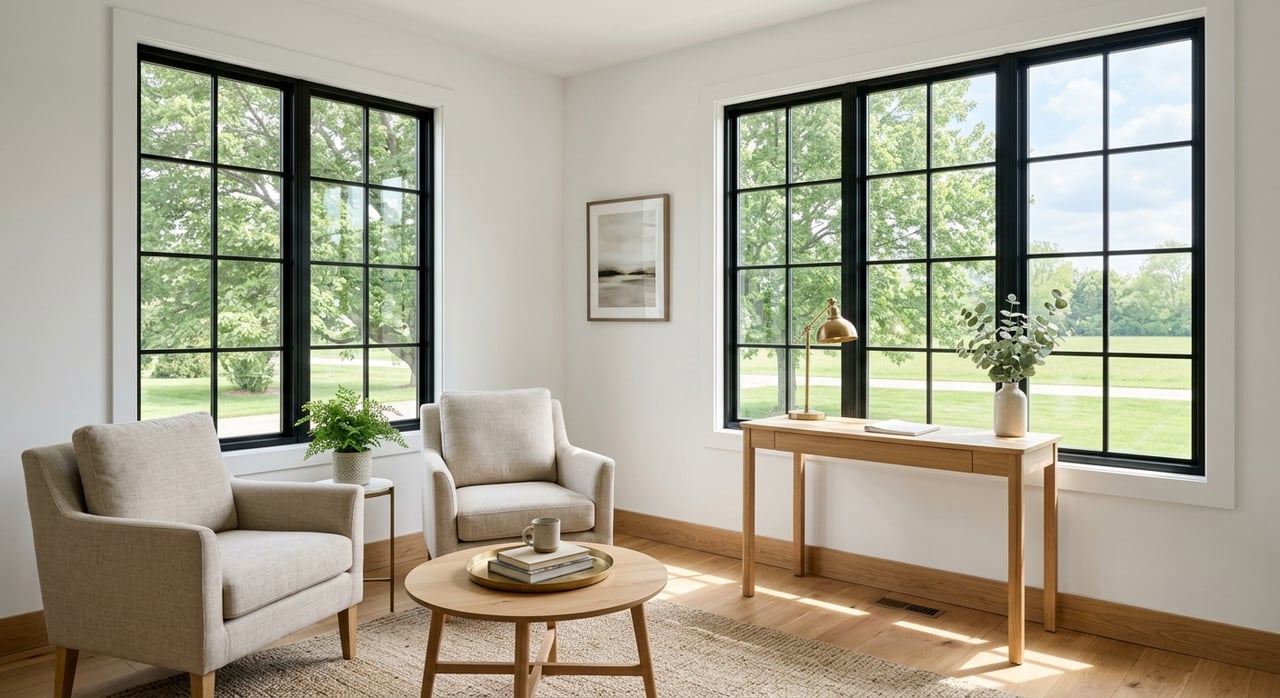
- Windows: many owners choose to restore original wood windows with sash repairs, reglazing, and weatherstripping. Storm windows are often a preservation-friendly way to improve performance.
- Mechanical and life-safety: electrical updates, modern HVAC routed with care, plumbing replacement, and insulation installed where it will not damage historic materials.
- Hazard abatement: lead-based paint stabilization or remediation in pre-1978 homes and asbestos management where present.
- Interiors: plaster repair and preserving or replicating historic finishes and trim, which can require skilled labor.
Budgeting and contingencies
Preservation-sensitive work tends to cost more than standard replacements. Specialized trades, custom millwork, and methods that meet preservation standards are the drivers. Build a healthy buffer. Plan for a 15 to 30 percent contingency to cover hidden rot, structural surprises, or hazardous materials.
Here is what that may look like in practice:
- Window work can range from a few hundred dollars per unit for minor repairs to over a thousand per unit for full frame restoration or custom reproduction.
- Masonry repointing varies by area and mortar type. Lime-based mortars often cost more per square foot than modern mixes, yet they are better suited to historic brick.
- Roof costs depend on material. Slate or custom shingles used on older houses carry a higher price than asphalt.
- Major system upgrades for HVAC, electrical, and plumbing can reach tens of thousands, depending on house size and access.
Typical timelines
Small exterior repairs or window projects can take weeks to a few months, especially if you must wait for a commission meeting. Major rehabilitations that include structural work and full mechanical upgrades commonly run 6 to 18 months or more, including design and permits. Many owners phase work to match cash flow and approvals.
Financing, incentives, and insurance
The right financing can help you buy and renovate with a single plan, and early insurance quotes can prevent surprises.
Renovation mortgages
If the home is move-in ready, a standard mortgage often works. If you want to finance repairs with your purchase, look at renovation loans designed for owner-occupants. FHA 203(k) and Fannie Mae HomeStyle Renovation allow you to roll purchase and renovation costs into one mortgage. These programs have different rules, loan limits, and contractor requirements. FHA 203(k) also has special considerations for historic homes. If renovation loans do not fit your project, cash or private construction financing are options.
Tax incentives and what applies
Federal historic rehabilitation tax credits of 20 percent apply to certified rehabs of income-producing historic buildings. They require adherence to federal standards and formal certification. They generally do not apply to owner-occupied single-family homes. Illinois has had state programs, often focused on income-producing projects, and local assessment incentives may exist. Since programs can change, confirm current options with the state and the village.
Insurance and flood risk
Older homes can have higher insurance costs if they include older systems or nonstandard materials. Get quotes early, and work with carriers experienced in historic homes. Parts of Riverside sit near the Des Plaines River. Check flood maps to see if a property lies in a floodplain and whether a lender will require flood insurance. Historic status can also affect replacement cost assessments, so discuss details with your insurer.
Due diligence checklist for buyers
A little planning goes a long way. Use this step-by-step checklist to protect your timeline and budget.
Before you make an offer
- Confirm whether the home sits in a local historic district or is individually designated. Ask the seller and the Village for documentation.
- Request past Certificates of Appropriateness, permits, and maintenance records.
- Check for preservation easements or covenants recorded on the property.
- Review preliminary floodplain information and ask about known drainage or sewer issues.
During the contingency period
- Hire a home inspector familiar with older houses to assess the structure, foundation, roof, gutters, drainage, and chimneys.
- Bring in specialists as needed, such as a preservation architect, historic mason, restoration carpenter, and a structural engineer.
- Arrange lead-based paint and asbestos surveys for pre-1978 homes, and confirm any contractors follow applicable safety rules.
- Schedule a chimney and flue inspection and a pest inspection.
- Obtain preliminary insurance quotes to understand annual costs and coverage options.
Planning and budgeting
- Prioritize the building envelope first. Protect the roof, drainage, and foundation before cosmetic updates.
- Get line-item estimates from multiple contractors, and make sure bids include preservation-appropriate methods.
- Keep a 15 to 30 percent contingency and plan for the preservation review timeline and contractor lead times.
- Consider phasing large projects if permitting or cash flow requires it.
Working with the Village and community
- Meet with Riverside preservation staff early. Pre-application input can save you time and expense.
- Ask which documents you will need, such as drawings, elevations, material samples, photos, and contractor references.
- Learn the commission’s priorities, such as approaches to original windows, siding materials, and porch reconstruction standards.
Post-purchase maintenance
- Follow a regular maintenance plan: painting cycles, roof and gutter care, site drainage, and mortar upkeep with compatible materials.
- Keep copies of approvals and permits. Future buyers and village staff will appreciate a clear record.
How LaBelleSells helps you buy historic
Buying a historic home in Riverside is as much about planning as it is about charm. You deserve a guide who understands both. With a boutique, high-touch approach backed by major brokerage resources, you get local market insight and a smooth process from search to closing.
Here is how we support you:
- Strategy and sourcing: We help you identify the right Riverside properties, including pre-market and off-market opportunities where available.
- Due diligence guidance: We coordinate trusted vendors and specialists who know historic homes, from inspectors to preservation-experienced contractors and architects.
- Budget clarity: We help you frame realistic costs and timelines based on your goals, so you can plan with confidence.
- Process management: We keep everyone on task, help you gather past approvals and permits from the seller, and prepare strong offer terms that reflect the home’s condition and review needs.
- Negotiation: We advocate for your interests with clear, professional communication that keeps deals moving.
Ready to explore Riverside’s historic homes with a clear plan? Connect with LaBelleSells to schedule a complimentary consultation.
FAQs
What does “historic” status mean for a Riverside homeowner?
- Local designation typically governs what you can change on the exterior that is visible from the street, while federal listings are mostly honorary for private owners.
Which projects usually need historic approval in Riverside?
- Exterior changes such as windows, siding, porches, roofline modifications, additions, and demolitions often require review, along with some tree or landscape changes.
How much should I budget for surprises in a historic home?
- Plan a contingency of 15 to 30 percent for hidden conditions like rot, structural issues, or hazardous materials.
Are there renovation loans for historic home purchases?
- Yes. FHA 203(k) and Fannie Mae HomeStyle Renovation loans can combine purchase and rehab costs into one mortgage for owner-occupants.
Do federal historic tax credits apply to single-family homes?
- Generally no. The federal 20 percent credit applies to certified rehabilitations of income-producing historic buildings, not owner-occupied single-family homes.
Will flood insurance be required for a Riverside property near the river?
- If the home lies in a mapped floodplain, your lender will typically require flood insurance, so check flood maps early in your search.