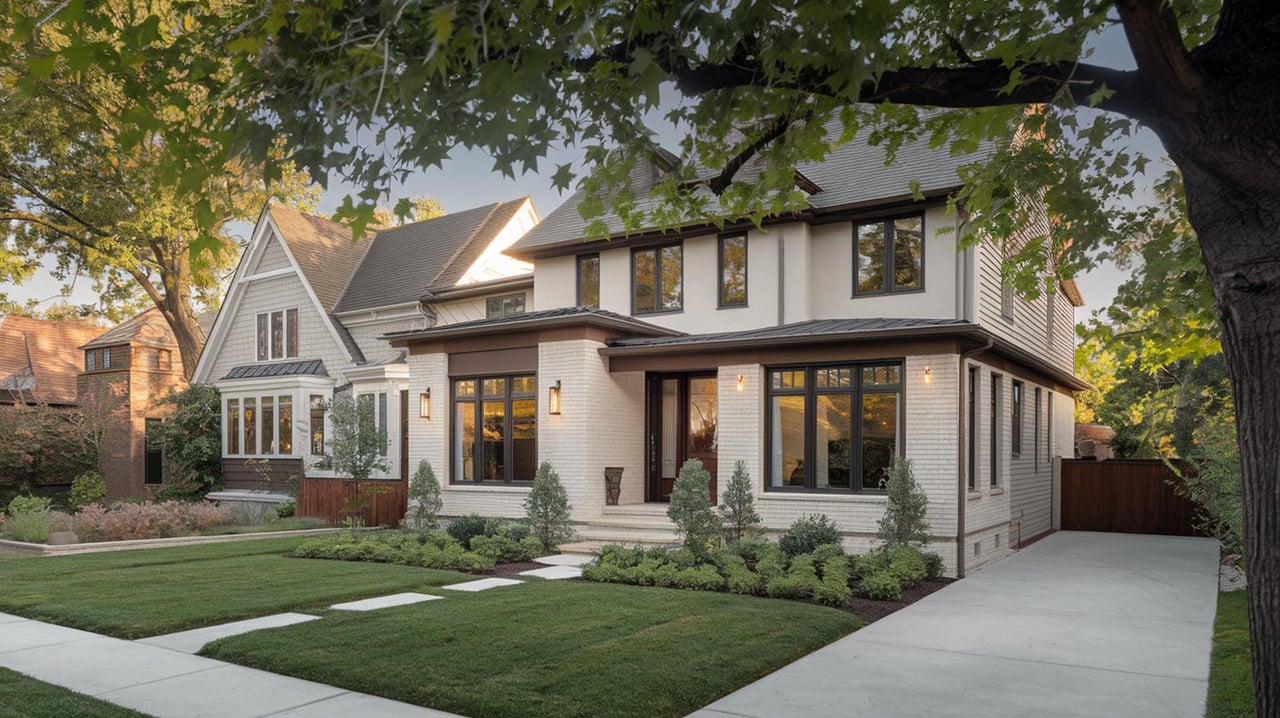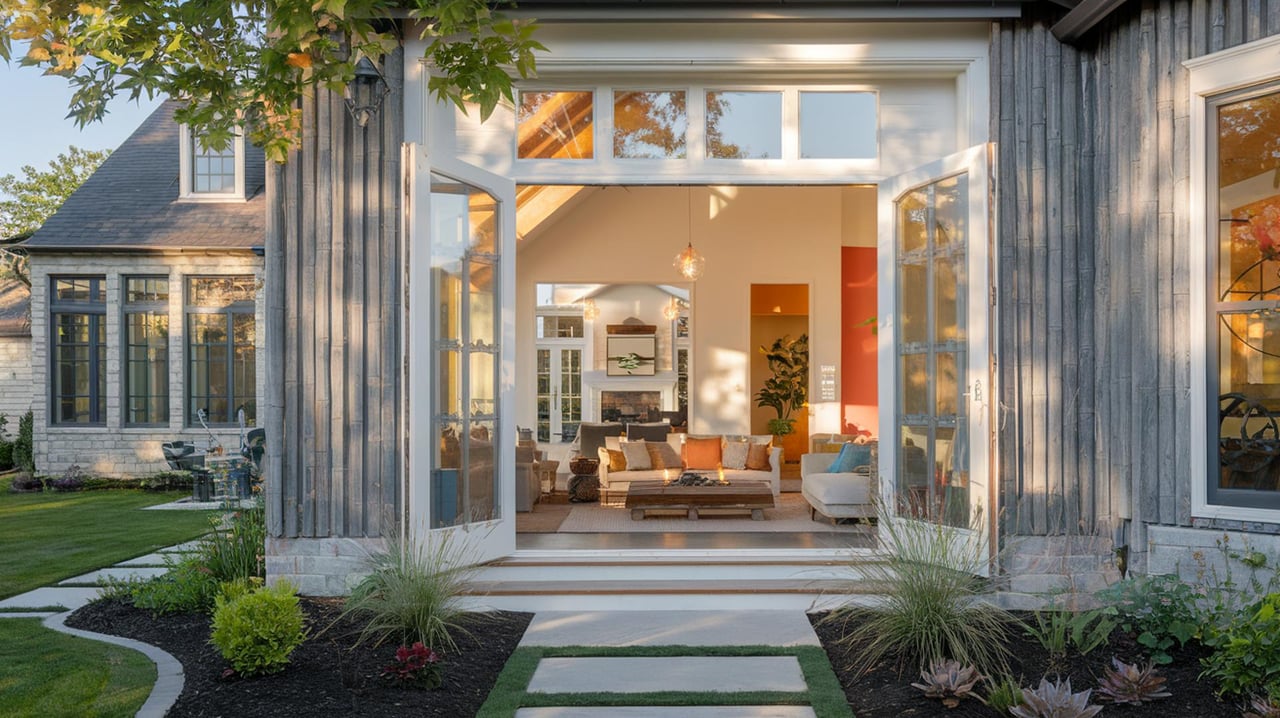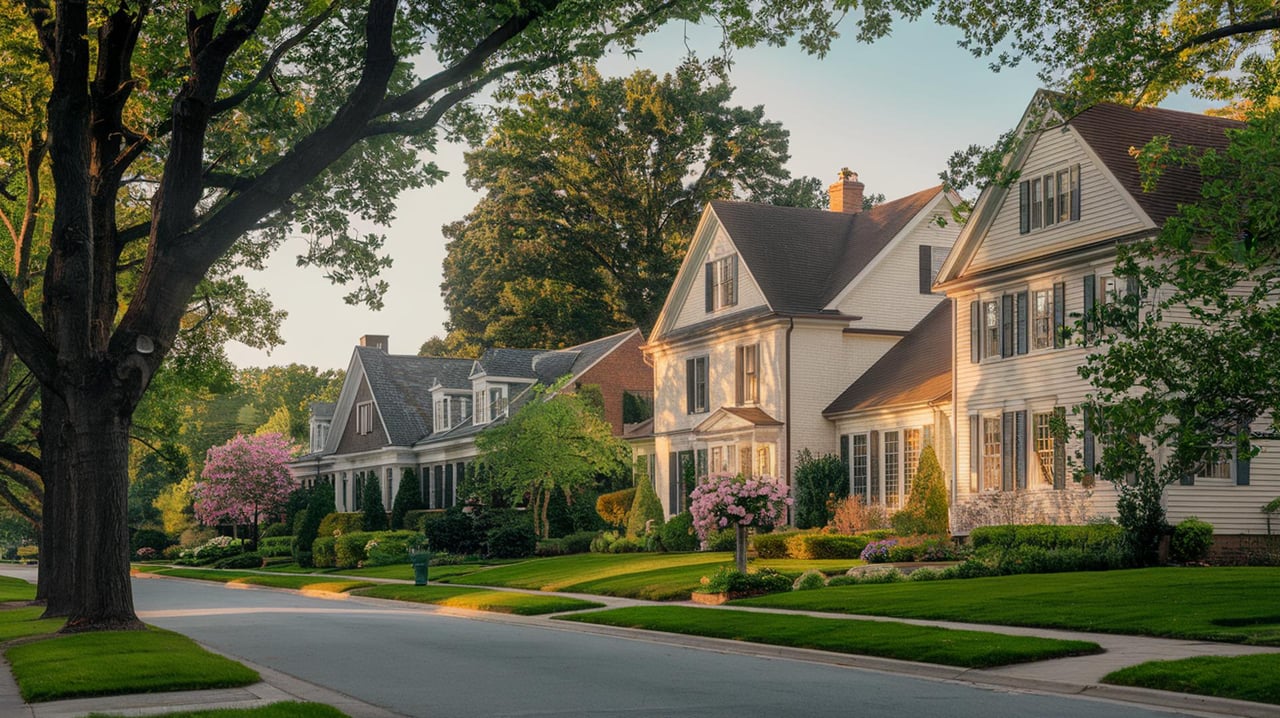
Torn between the clean lines of a brand‑new build and the character of an established Burr Ridge home? You are not alone. Each path offers real advantages, from customization and warranties to mature lots and faster move-in timelines. In this guide, you will learn how to compare value, timing, inspections, warranties, and long-term costs so you can choose with confidence. Let’s dive in.
How to compare value in Burr Ridge
Burr Ridge has a mix of luxury estates, newer subdivisions, and some townhomes and condos. New construction often sells at a premium, but price-per-square-foot is only part of the story. A smart comparison adjusts for lot, finishes, energy features, and near-term maintenance.
- Match like with like. Compare homes with similar lot sizes, bedroom and bath counts, and finished square footage. Confirm how basements are counted so you stay consistent.
- Adjust for features. Lot privacy, garage spaces, outdoor living, finished basements, and high-efficiency systems can move the number.
- Include near-term costs. New builds may reduce immediate maintenance. Resale homes can offer more space for the price but sometimes require updates to roofs, HVAC, or kitchens and baths.
A simple process can help:
- Pull 3–5 recent new-construction closings and 3–5 comparable resale closings in the same or similar Burr Ridge neighborhoods.
- Normalize square footage and remove outliers, like large unfinished bonus areas.
- Adjust prices for documented upgrades and lot premiums.
- Compare adjusted price-per-square-foot ranges, and note what drove differences.
If you want the most current numbers, recent closings in the local MLS are your best guide. A local advisor can help gather and interpret that data so you are making a fair, apples-to-apples decision.
Timelines and permits in Burr Ridge
Timing is one of the biggest differences between new and resale. Understanding the local build and permit process helps you set the right expectations.
Typical build durations
- Custom single-family homes often take 9 to 18 months from groundbreaking. Weather, material lead times, and change orders can add time.
- Spec or production homes on shovel-ready lots commonly take 6 to 9 months once permits are issued.
- Remodels and additions vary. Plan for weeks to months for permitting and inspections.
Ask builders for a written schedule with milestones and their historical averages for the same model in Burr Ridge.
Village and county steps that affect timing
- Zoning and due diligence. Confirm setbacks, lot coverage, allowable home size, and any HOA or subdivision design standards before you commit.
- Plan review and permits. The Village of Burr Ridge reviews building and site plans. Complex projects can require multiple review cycles.
- County requirements. Parts of Burr Ridge fall in DuPage or Cook County. Stormwater management approvals, erosion control plans, or county reviews may apply.
- Inspections and Certificate of Occupancy. Expect foundation, framing or pre-drywall, mechanical, electrical, and plumbing inspections, plus a final inspection. The village issues a Certificate of Occupancy only after all inspections pass.
- Utilities and site work. Water and sewer connections, private utilities, and any impact fees can affect both timing and cost.
What can delay your move-in
Chicagoland’s winter slows exterior work. Permit backlogs, inspector availability, supply-chain issues, and required neighborhood infrastructure can also extend timelines. Build in contingency time and budget. Verify current permit turnaround estimates with the village and, if applicable, the county.
Inspections and warranties
A thorough inspection strategy reduces surprises, whether you buy new or resale. Warranties can further protect you, but it is important to understand what they cover.
Resale inspection essentials
For resale homes, schedule a standard home inspection covering structure, roof, HVAC, electrical, and plumbing. Based on age and findings, consider specialist inspections such as radon, sewer scope, pest, mold, or chimney. Use the inspection window to negotiate repairs or credits as appropriate.
New construction inspections you should schedule
Builders conduct their own checks, but independent inspections are still recommended. Many buyers schedule:
- A pre-drywall inspection to review framing, wiring, plumbing, and insulation before walls are closed.
- A final inspection before closing to confirm functionality and safety of systems and finishes.
Confirm in writing that your builder allows independent inspectors on site and how to schedule those visits. Document punch-list items at your final walk-through.
What to expect from warranties
Many builders offer a structure similar to a 1-2-10 warranty: one year for workmanship, two years for major systems, and ten years for structural coverage. Coverage varies by builder and may be backed by a third-party provider. Ask for the full warranty packet before you sign, including claim procedures and response times.
- Exclusions. Normal wear, owner damage, and unapproved alterations are usually excluded.
- Transferability. Some structural warranties transfer to a subsequent owner for the remaining term, which can help with resale.
- Insurance. Lenders require homeowner’s insurance at closing for both new and resale homes. Builders may ask for proof of coverage before turnover on new construction.
Keep a written log of any issues, communications, and repairs. Accurate records help if you need to file a claim later.
Cost drivers and ongoing value
Both options can be great investments. The key is understanding what you are paying for up front and what you will spend over time.
- Up-front costs. New construction often carries a premium for modern design, energy efficiency, and the ability to customize. Lot premiums and site work can add cost. Resale may offer more square footage for the price but can require immediate capital projects.
- Operating costs. Newer systems and tighter building envelopes can reduce short-term utility and maintenance costs. Older homes may have higher operating costs until major systems are replaced.
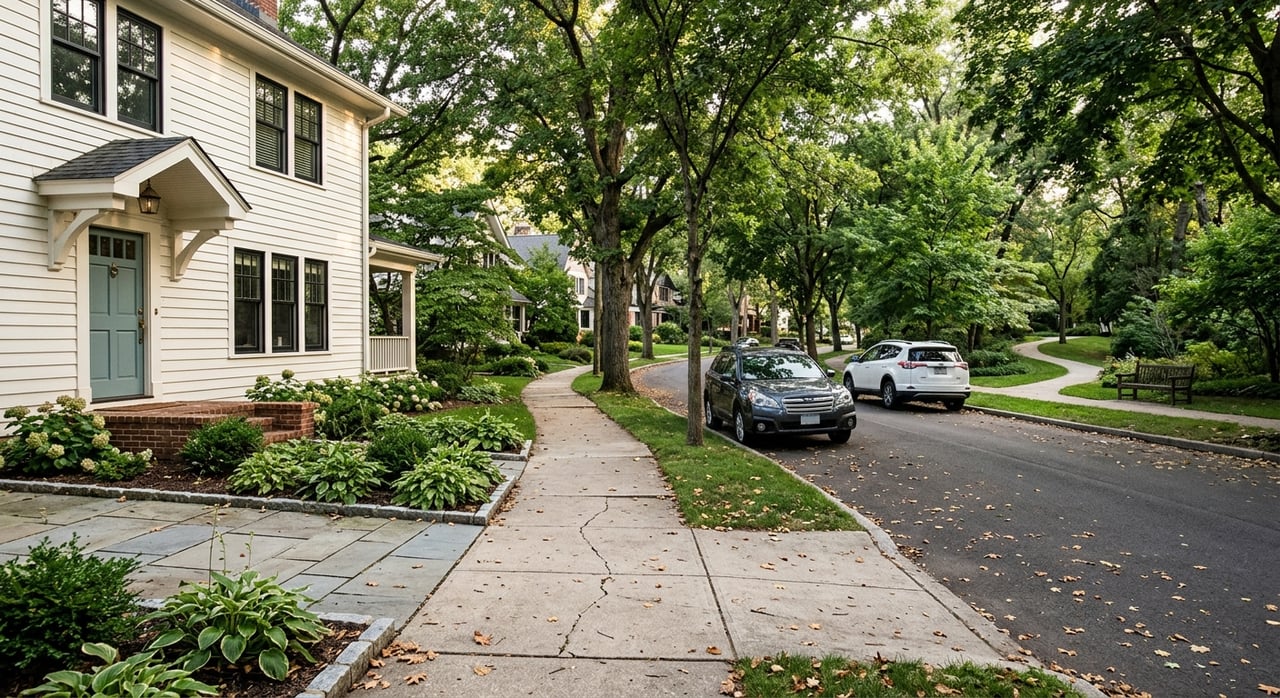
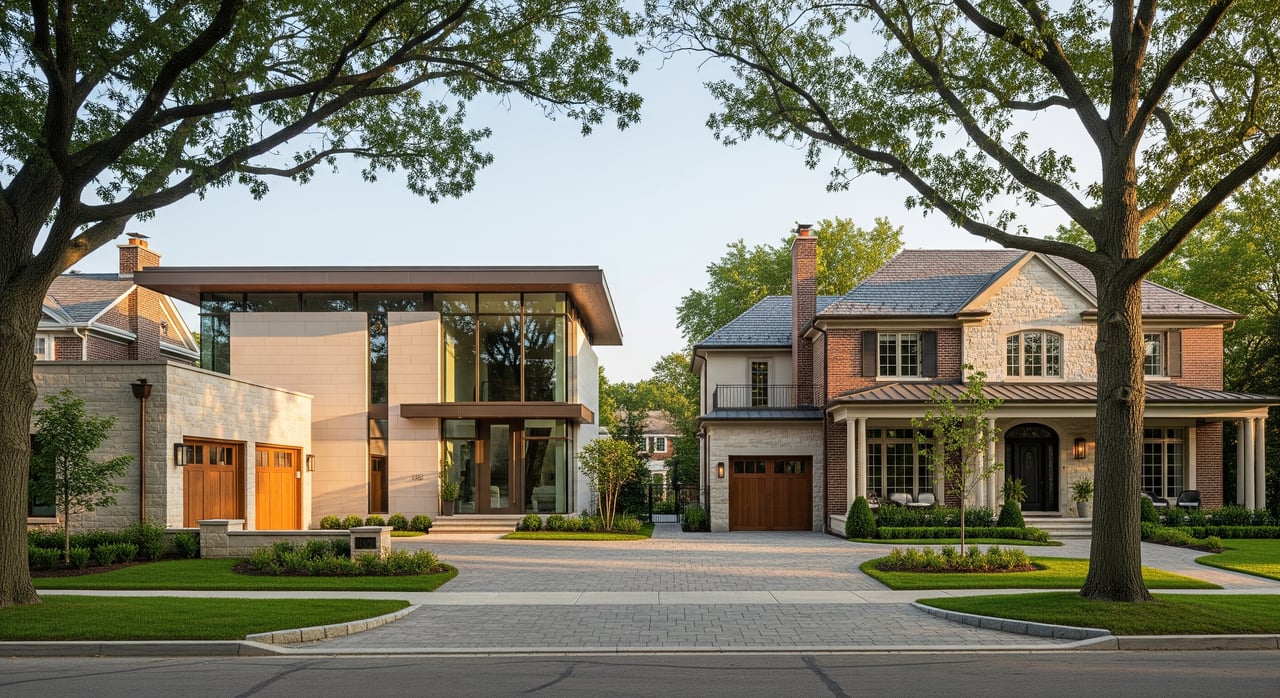
- Lot and neighborhood factors. Resale homes in established areas can offer mature landscaping and settled neighborhood character. Newer subdivisions often provide open-concept layouts and modern amenities, with landscaping that matures over time.
- Resale marketability. Popular floor plans and well-chosen upgrades tend to appeal to a broad buyer pool. Highly specialized customization can narrow future demand.
Financing and incentives
Resale homes typically close with conventional, FHA, VA, or jumbo loans on a predictable timeline. New construction can involve construction-to-permanent loans with draws and interest-only periods, or contracts on spec homes with traditional financing. Some builders offer incentives like closing-cost credits or rate buydowns. Evaluate the total net cost rather than focusing only on the headline incentive.
Decision guide: which fits you?
Match your priorities to the option that fits your life right now.
- Speed to move-in. If you need to move soon, resale or a completed spec home usually works best. If you have flexibility, a build can be worth the wait.
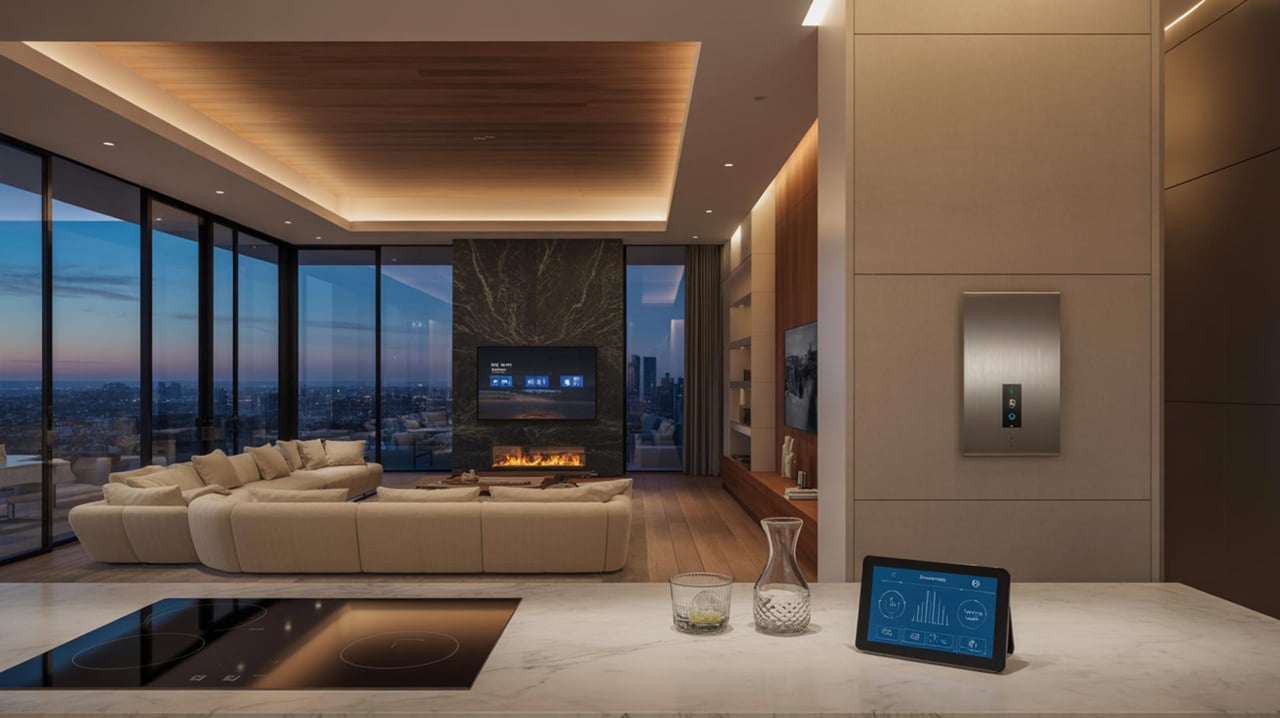
- Customization. Choose new construction if modern layouts, curated finishes, and smart-home features are high priorities.
- Maintenance tolerance. If you want lower near-term maintenance and warranty coverage, new construction is a strong fit.
- Value for space. If you want more square footage for your budget, resale often delivers. Balance that with any upcoming system replacements.
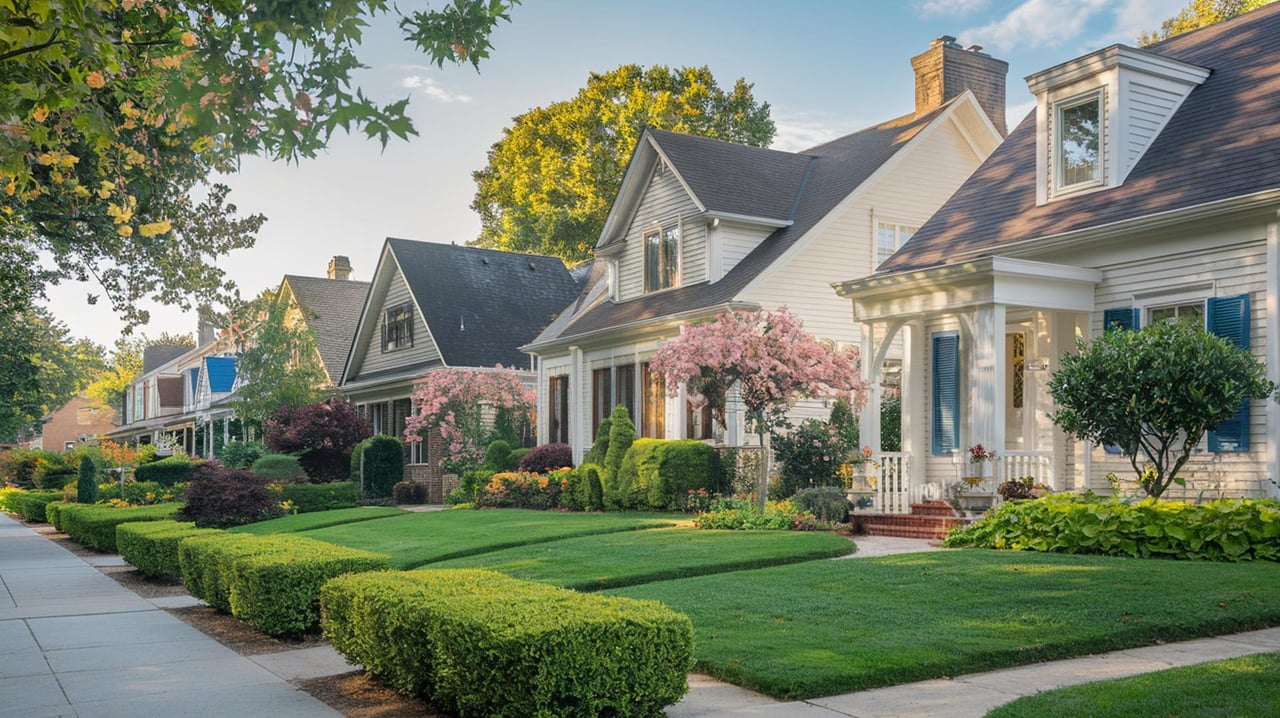
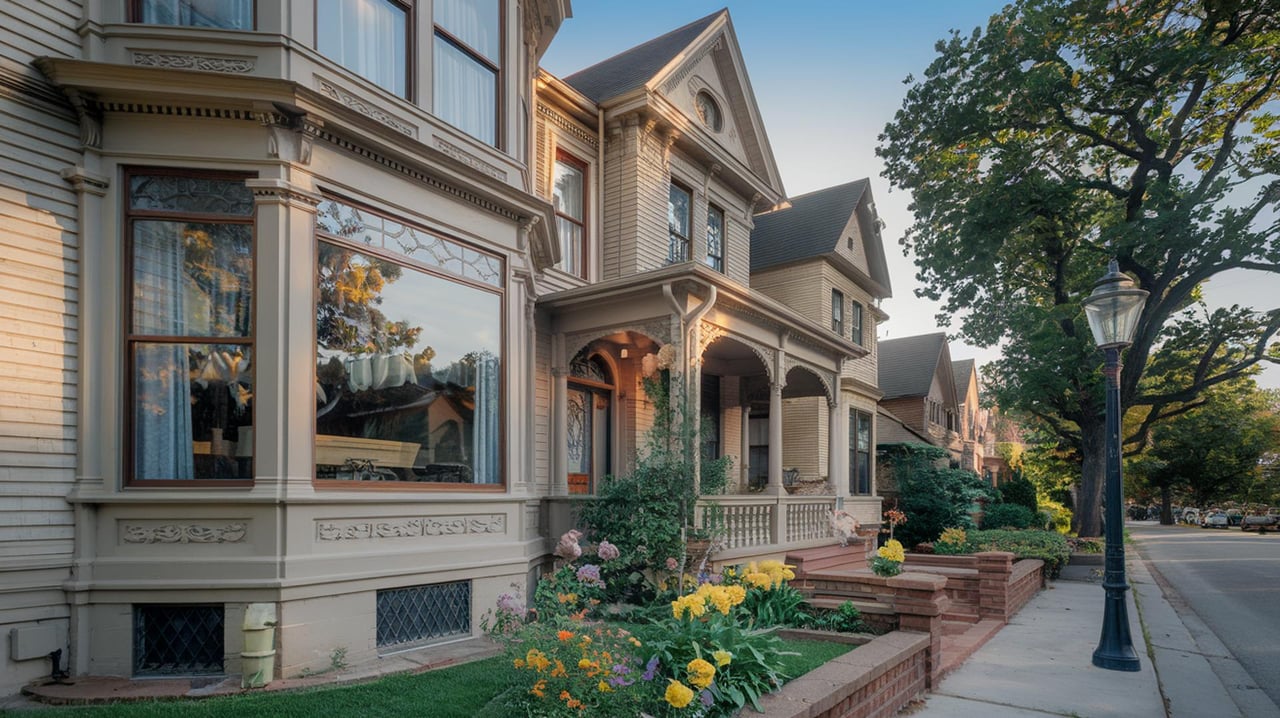
- Lot and setting. If you want mature trees or an established street scene, resale may suit you. If you prefer a newer subdivision and community amenities, new construction can be ideal.
Buyer checklists
For new construction in Burr Ridge
- Get the builder’s full warranty documents in writing. Ask about claim steps and typical response times.
- Request a detailed build schedule, from permit submission through Certificate of Occupancy, plus historical averages for similar projects in Burr Ridge.
- Confirm which independent inspections are allowed and schedule pre-drywall and final inspections.
- Clarify standard features versus upgrades. Get pricing for options in writing.
- Verify permit and review timelines with the Village of Burr Ridge and, if applicable, DuPage or Cook County for stormwater or related approvals.
- Confirm utility connections, any impact fees, and HOA covenants or architectural review rules.
- Review contract terms for price escalation clauses and change-order costs.
For resale homes in Burr Ridge
- Schedule a comprehensive home inspection. Consider radon testing, sewer scope, pest, and other specialist checks as advised.
- Ask for recent utility bills and documentation for major replacements or permitted work.
- Confirm zoning and check for any planned developments nearby that could affect use or enjoyment.
- Budget for near-term updates or replacements if systems are at or near end of life.
Work with a local advisor
New construction and resale each offer strong benefits in Burr Ridge. The right choice comes down to your timing, budget, and lifestyle. With deep neighborhood knowledge along the BNSF corridor and a white-glove process, we can help you compare real numbers, evaluate builders, line up inspections, and move with confidence. If you are weighing your next move, connect with LaBelleSells to map the best path forward.
FAQs
Is new construction always more expensive per square foot in Burr Ridge?
- Not always. New builds often carry a premium for modern systems and finishes, but true value depends on lot, included upgrades, and comparable recent sales.
Can you hire an independent inspector for a new build in Burr Ridge?
- Yes. Many builders allow pre-drywall and final inspections by independent pros. Confirm permission and scheduling requirements in writing.
What warranties do new homes typically include and do they transfer?
- Many builders offer a 1-2-10 style program. Coverage varies, exclusions apply, and some structural policies transfer to later owners. Get documents before you sign.
How long do Burr Ridge permits and a Certificate of Occupancy take?
- Timelines vary with project complexity and review backlogs. Plan for multiple review cycles and inspections, and ask the village for current averages.
Will HOA rules limit future changes to my new home?
- Many subdivisions have covenants and architectural review. Review HOA documents before purchase so you understand design standards and approval steps.