Trying to choose between La Grange Highlands and La Grange? At first glance, the names sound similar, but the day-to-day living experience can feel quite different. If you are comparing homes in this part of the western suburbs, understanding those differences can help you narrow your search faster and buy with more confidence. Let’s break down what sets these two areas apart and what that could mean for you.
Governance and community structure
One of the biggest differences starts with how each place is organized. La Grange is an incorporated village with about 16,321 residents across roughly 2.5 square miles. It has its own village identity, a defined downtown, and a more centralized community layout.
La Grange Highlands is different. According to the local civic association, it is an unincorporated residential community in Lyons Township covering about 600 acres. That means it is governed under Cook County rules rather than operating as its own municipality, and that structure shapes much of its quieter, more residential feel.
For buyers, this matters because community structure often influences how a place functions day to day. In simple terms, La Grange feels more like a traditional village center, while La Grange Highlands feels more like a spread-out residential enclave.
Housing styles and lot sizes
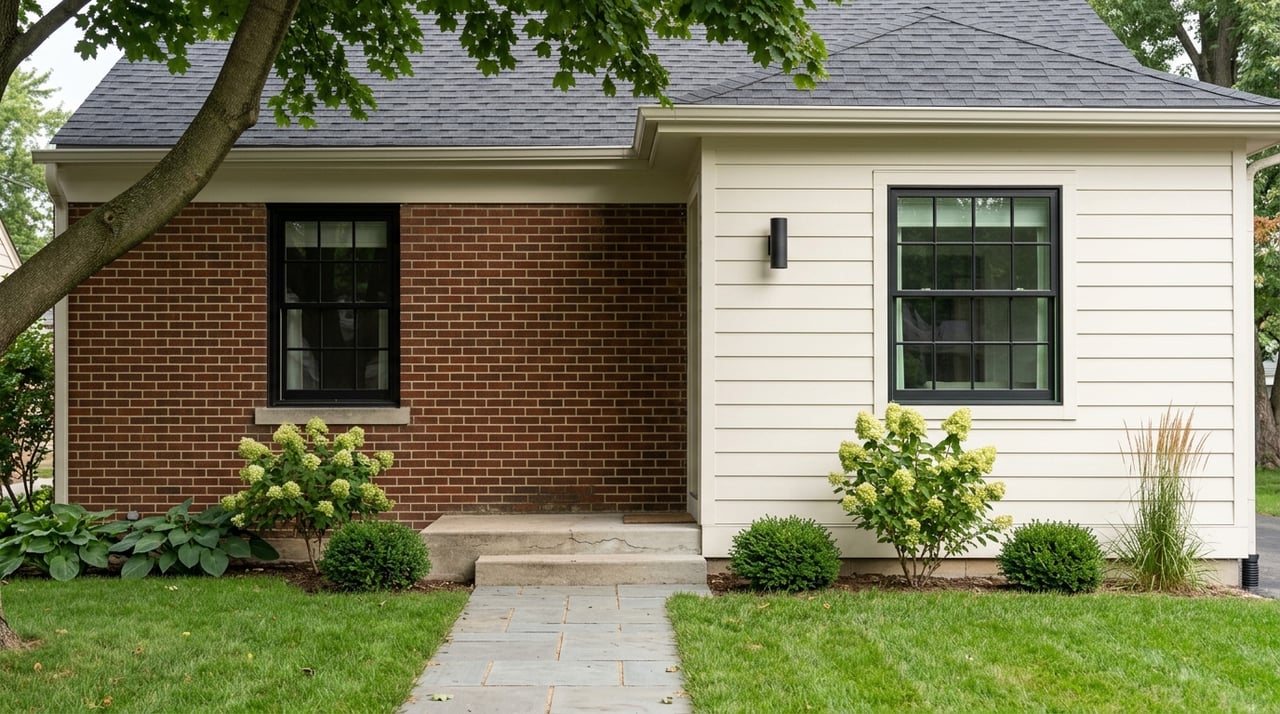
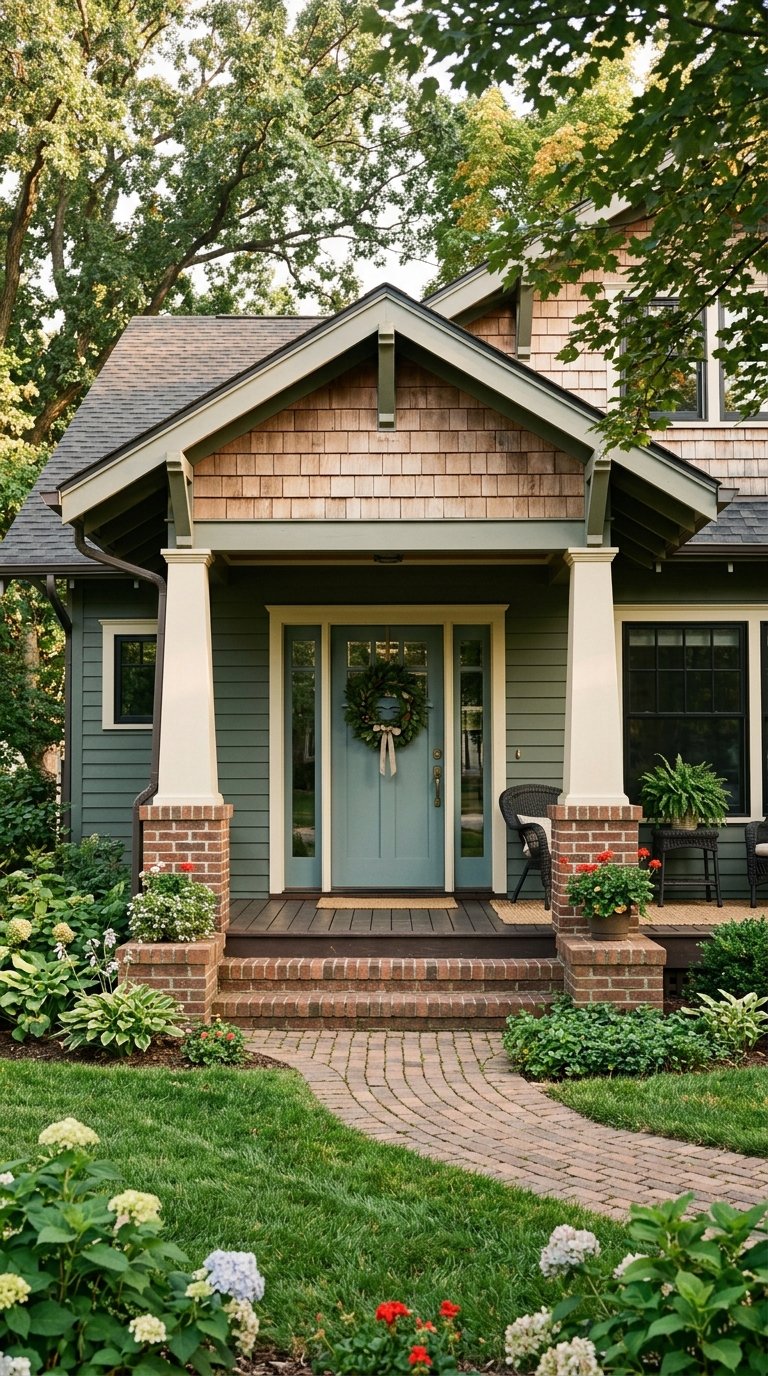
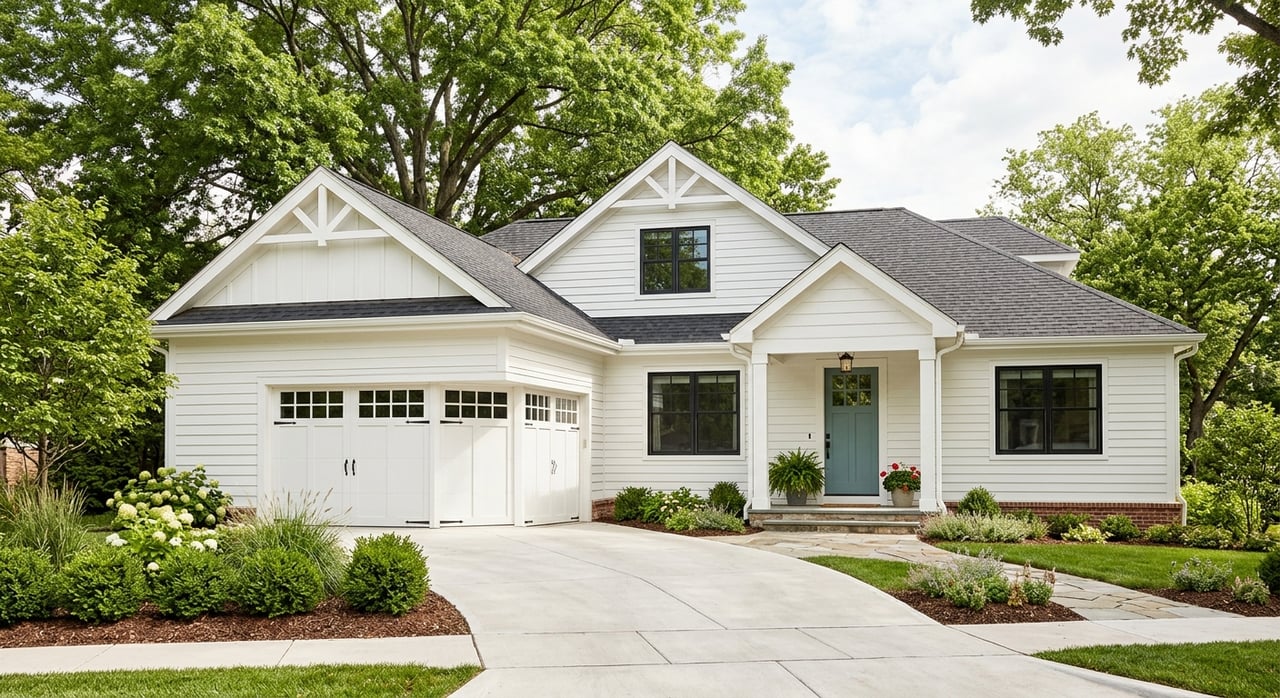
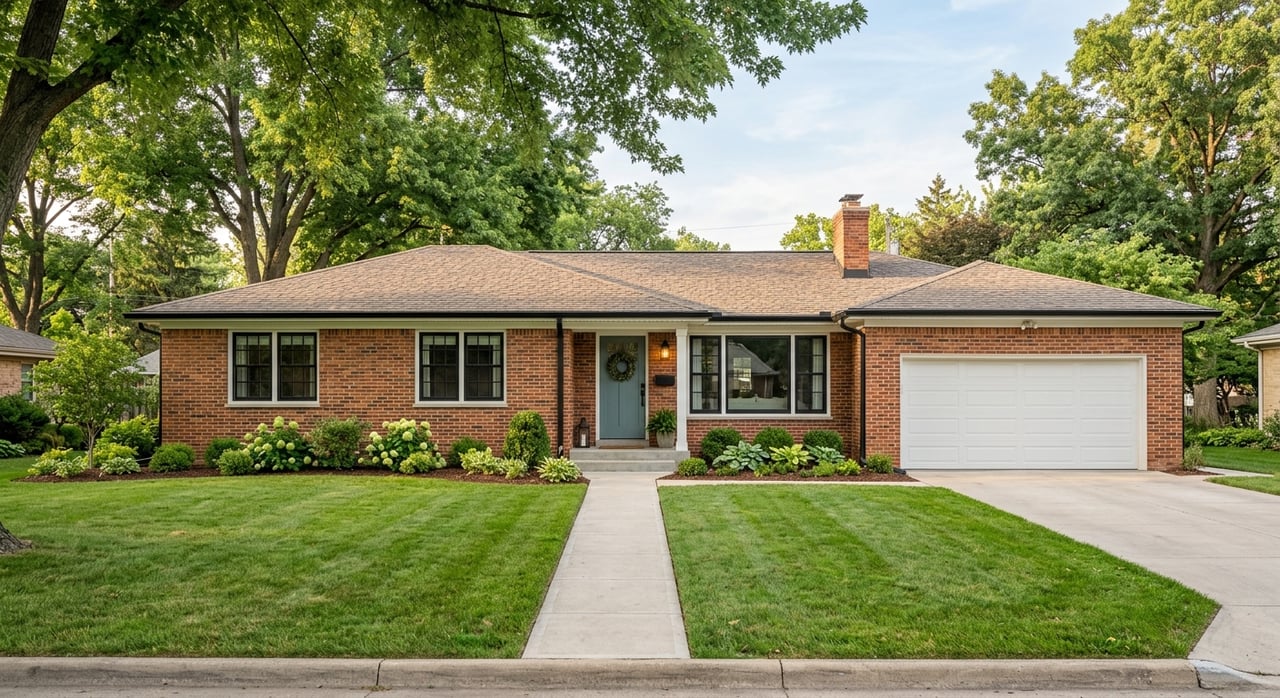
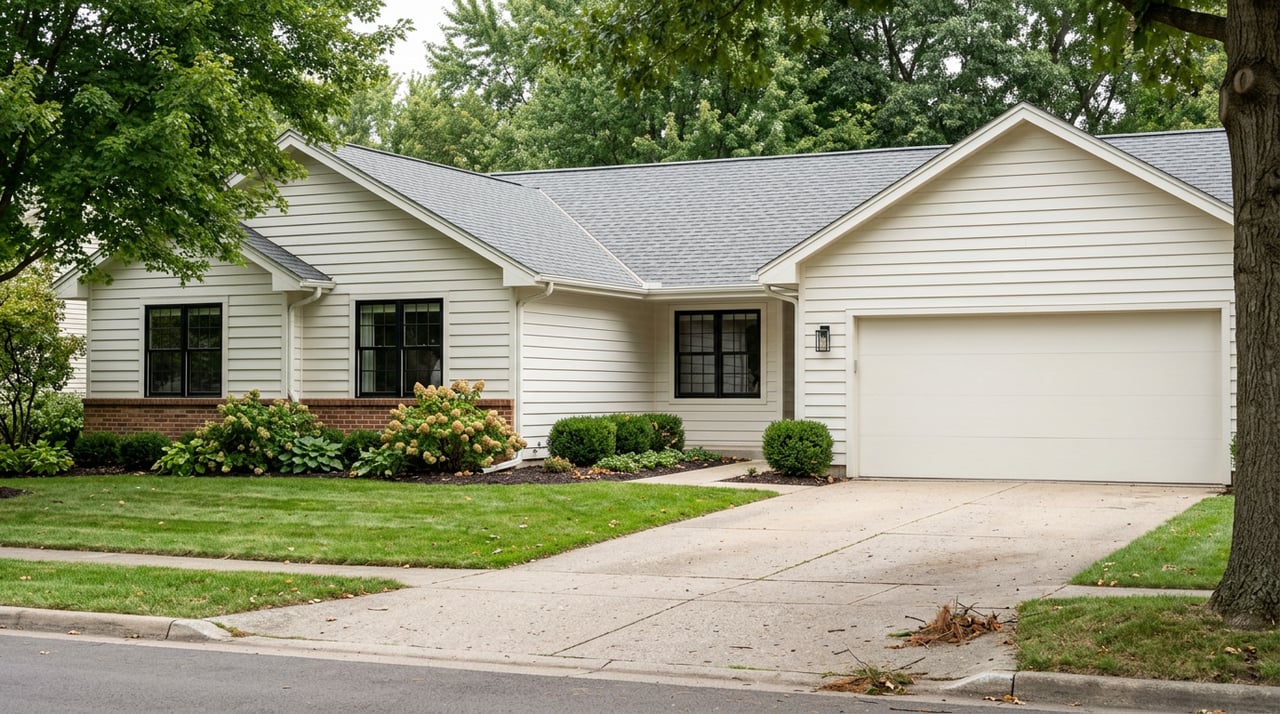
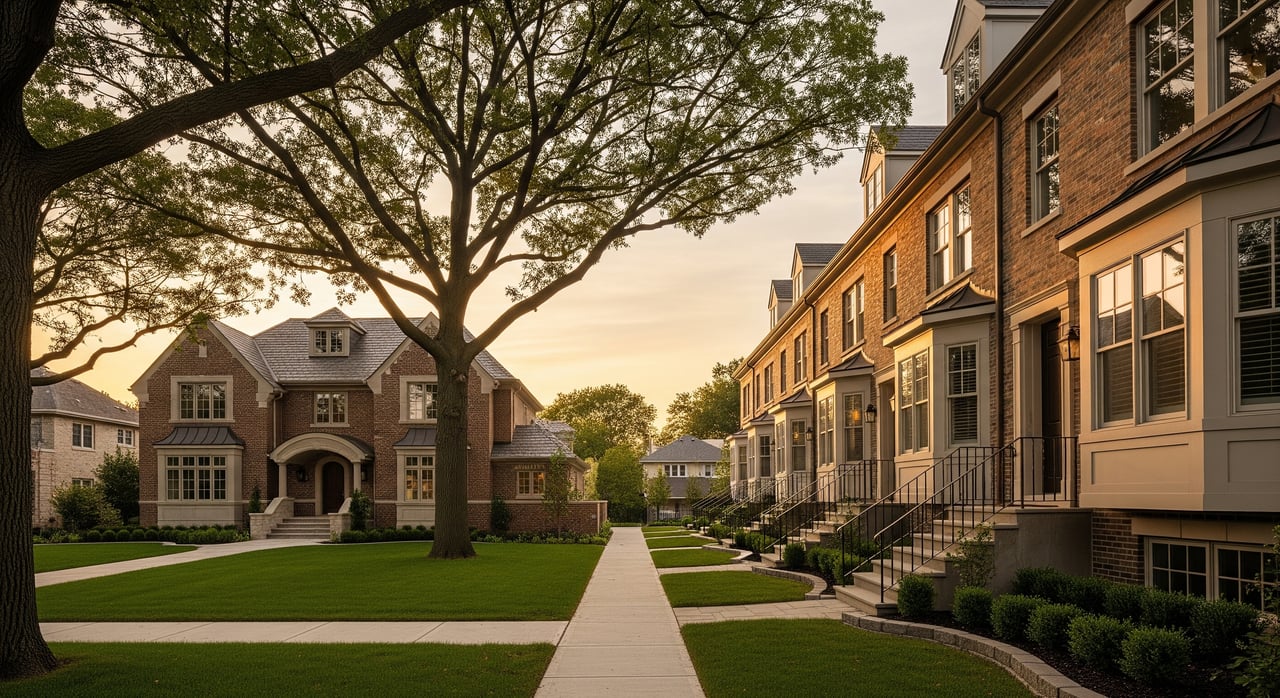
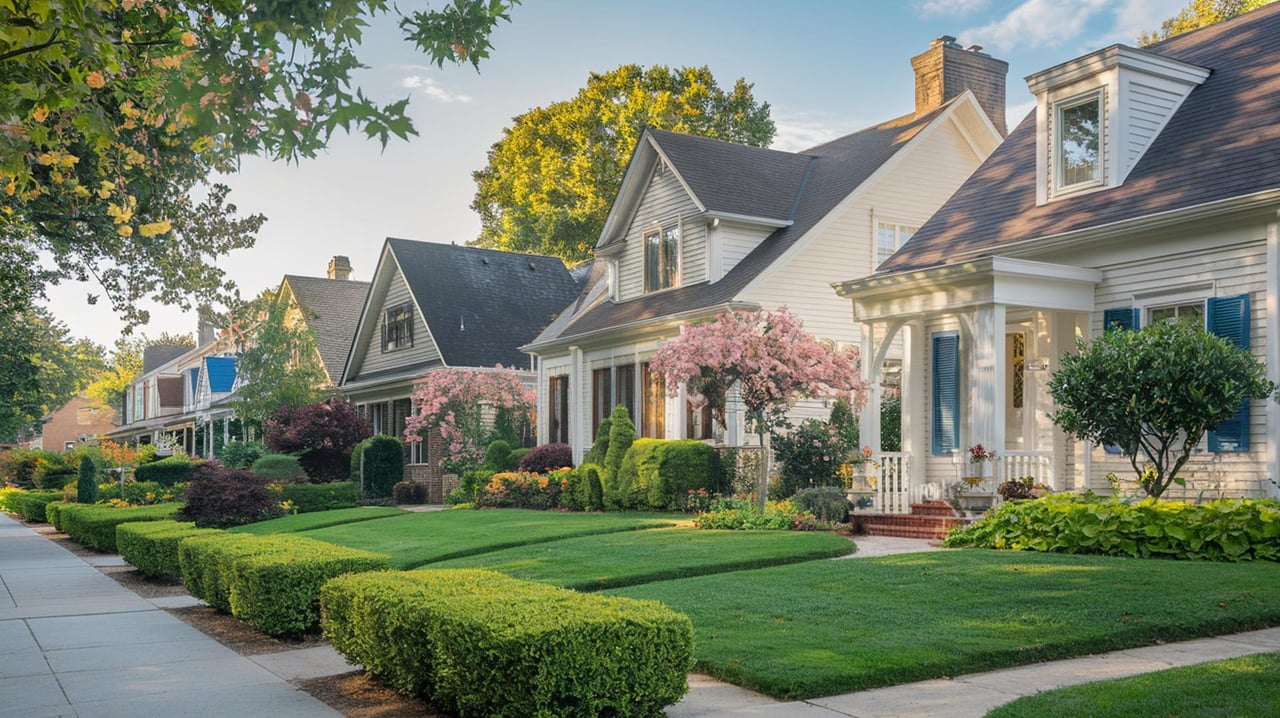
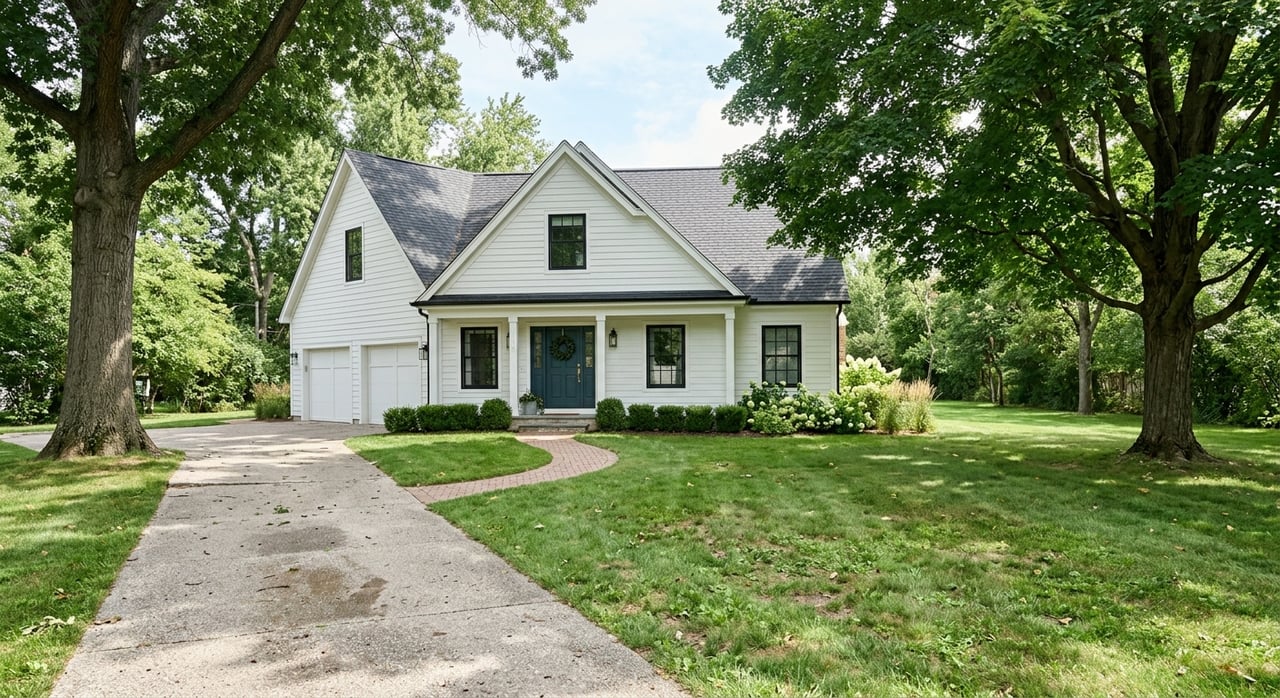
If lot size is high on your list, this is where the contrast becomes especially clear. La Grange Highlands is described as having predominately half-acre lots, with very few vacant parcels remaining. Neighborhood descriptions also point to a housing mix that leans heavily toward ranch-style homes, especially those built from the 1950s through the 1970s.
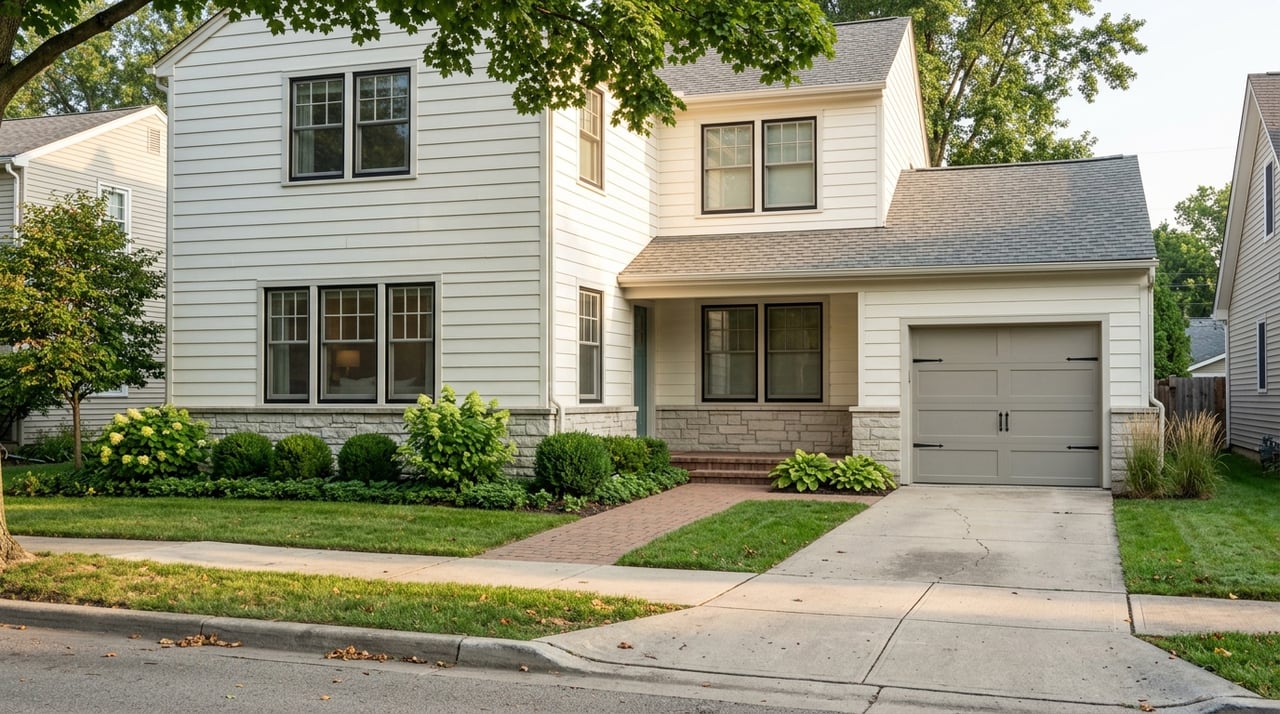
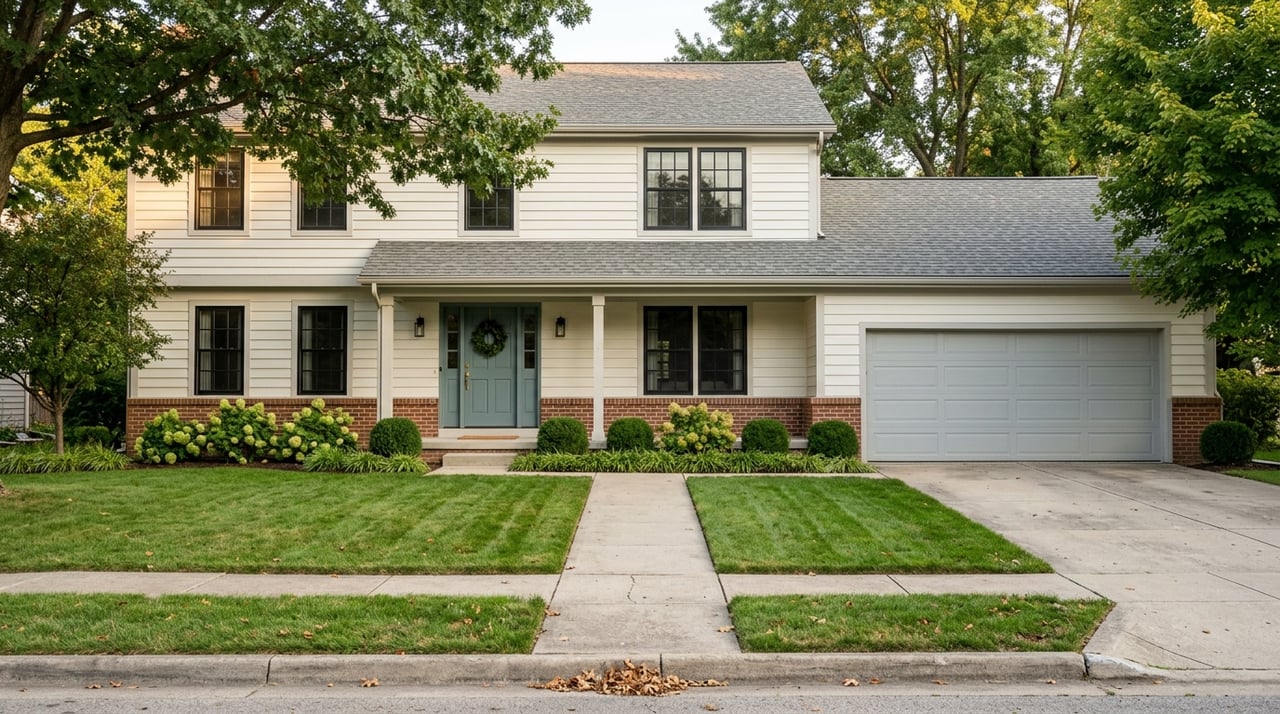
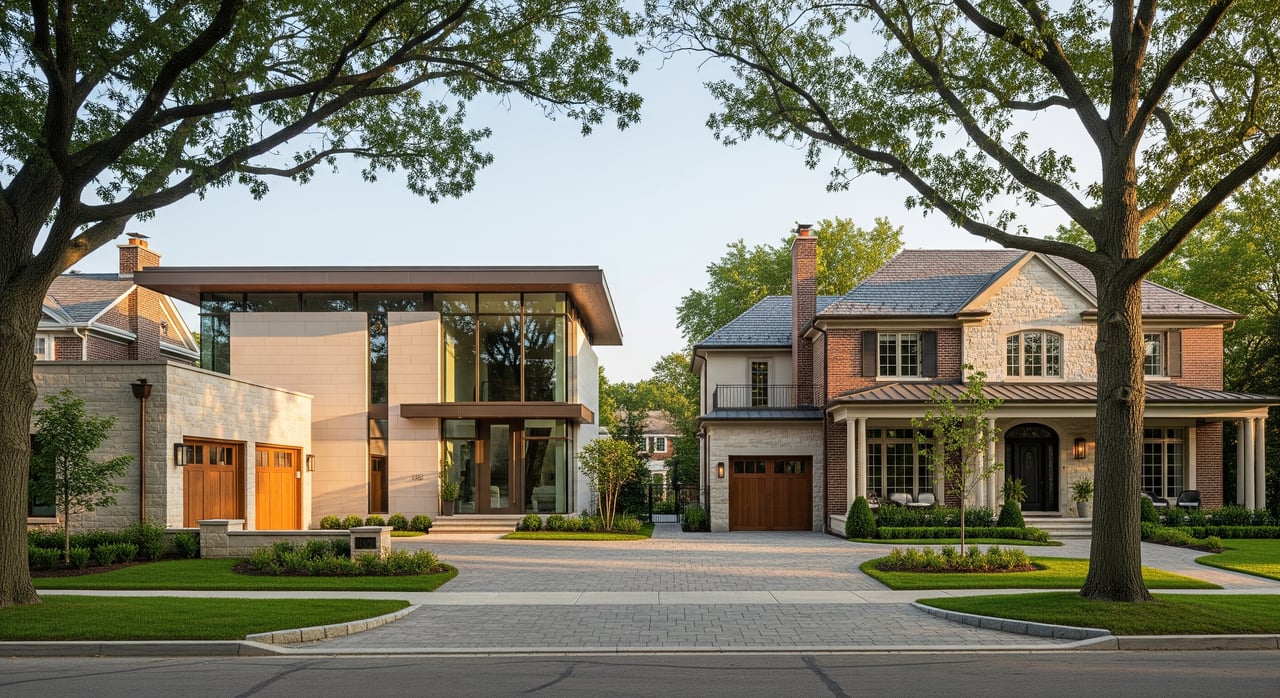
La Grange offers a broader range of housing types. The village describes its housing stock as primarily quality single-family homes, and CMAP data cited by the village shows a mix that includes detached homes, attached homes, two-unit buildings, and multifamily options. That same source notes an owner-occupancy rate of 80.5%, a median year built of 1951, and that 37.6% of homes were built before 1940.
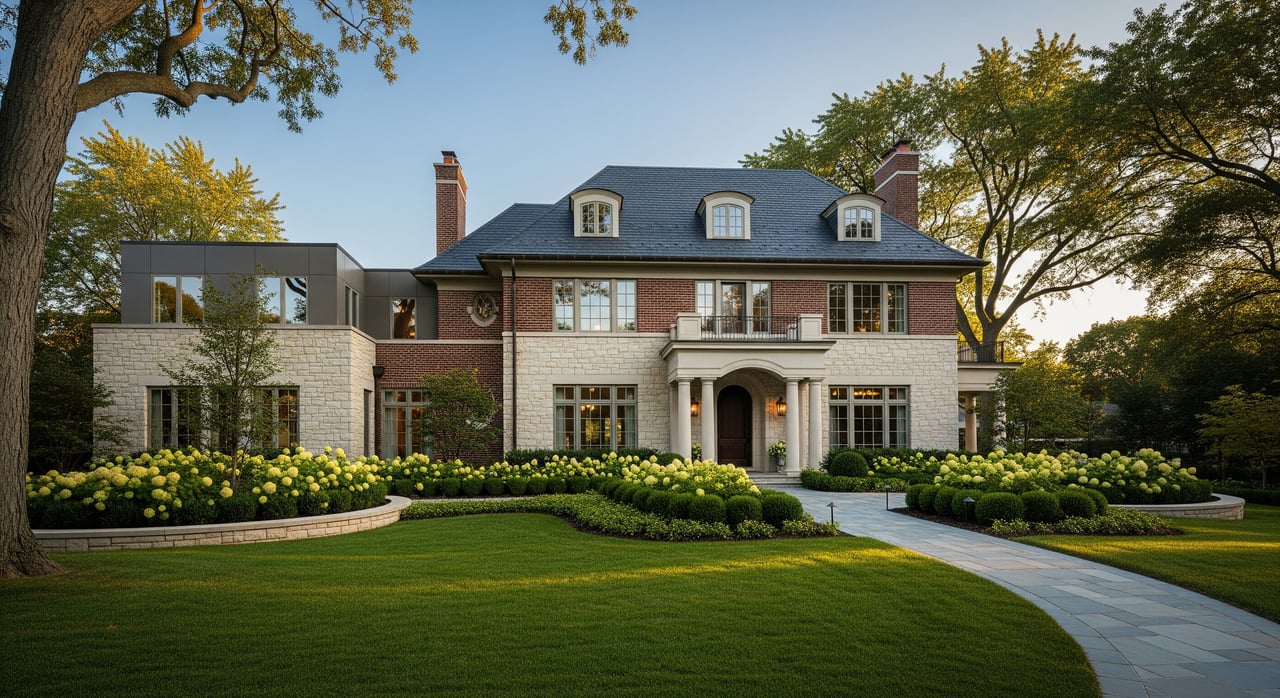
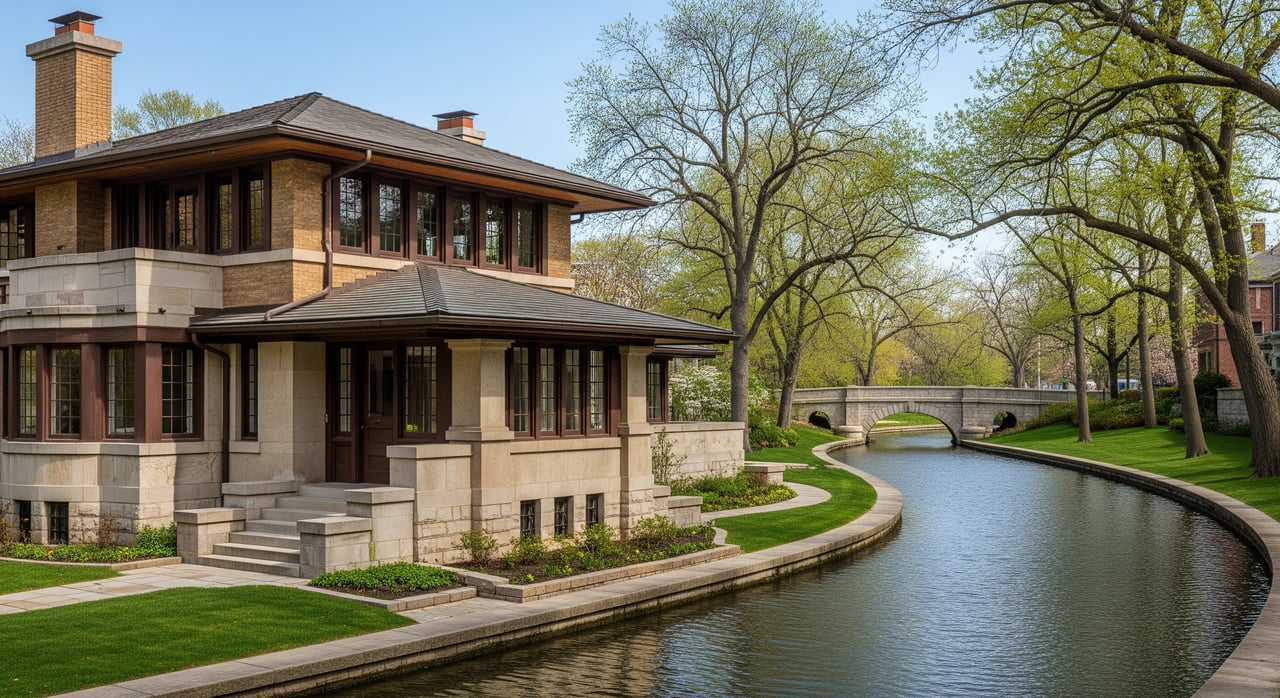
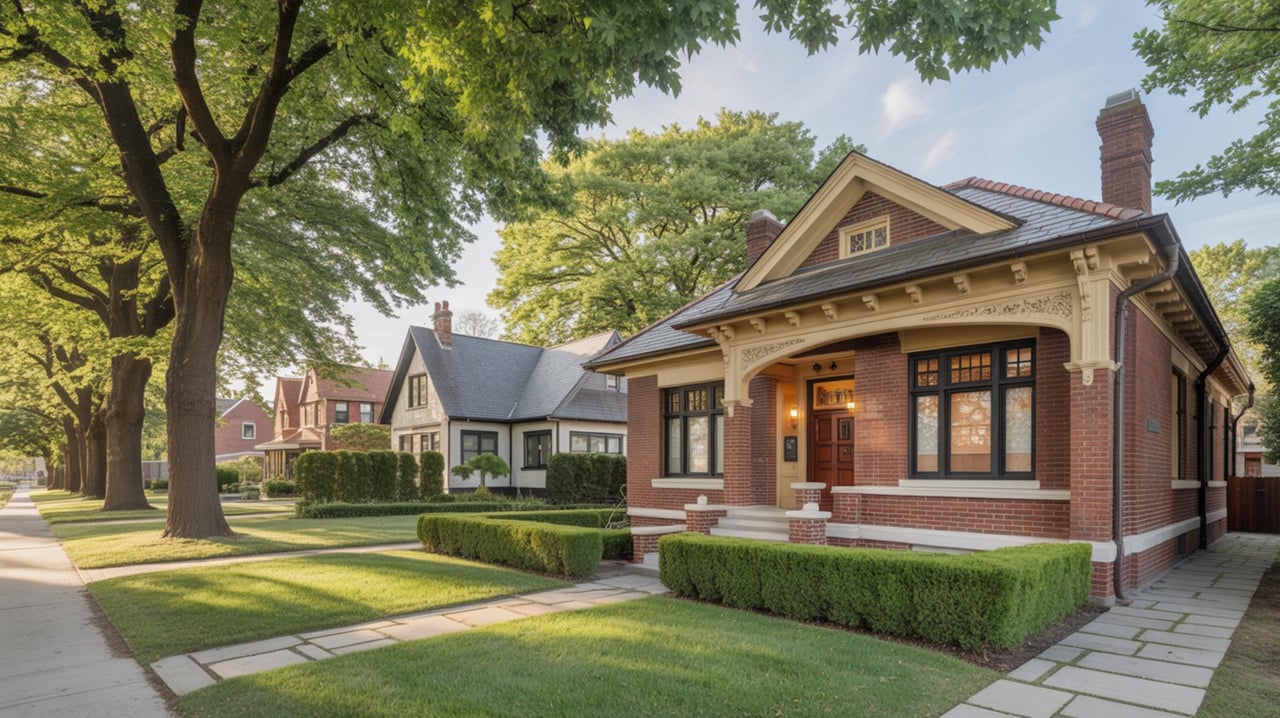
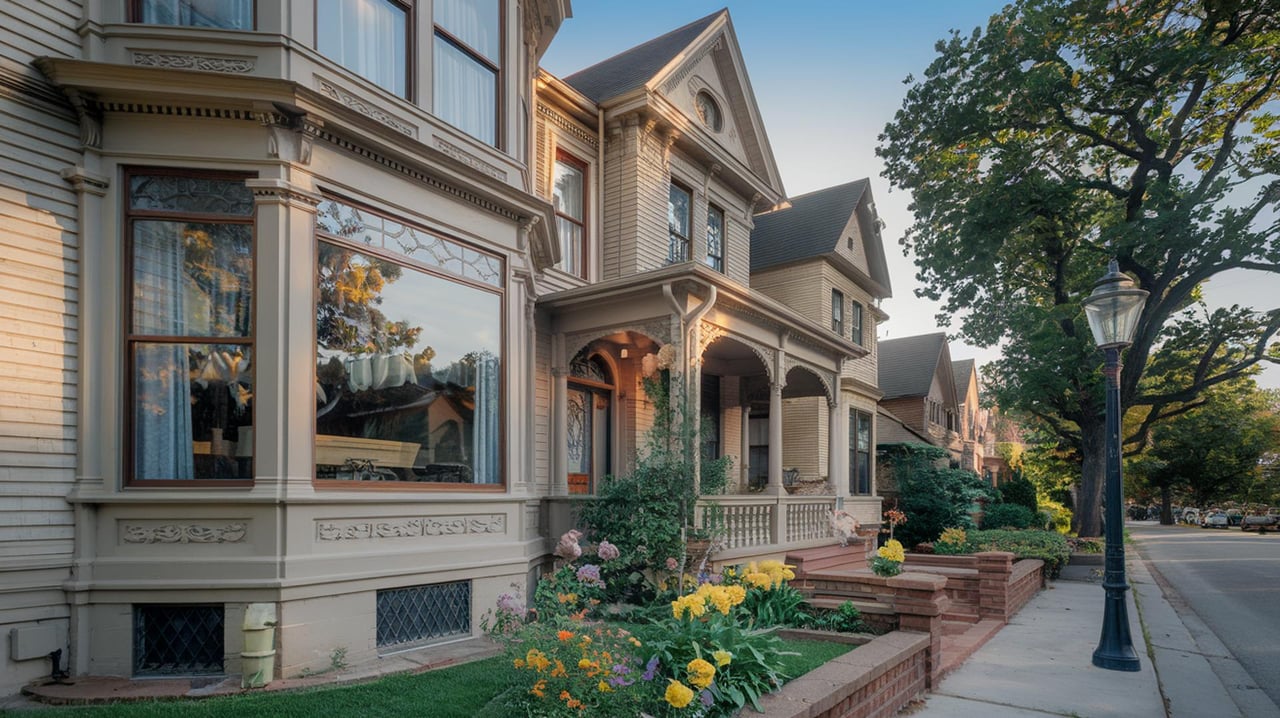
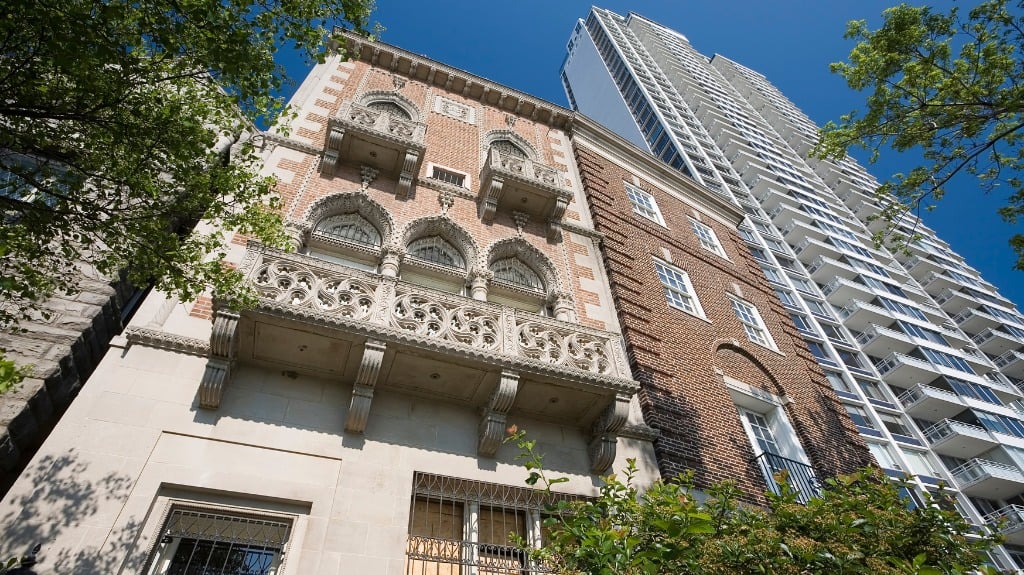
That older housing profile gives parts of La Grange a more established architectural character. The village also notes that its older sections include homes from the late 19th and early 20th centuries, which adds to the sense of history in certain areas.
What this means for buyers
If you want more land and a more spread-out residential setting, La Grange Highlands may feel like the stronger fit. If you want more housing variety and more compact neighborhood patterns, La Grange may give you more options.
A simple way to think about it is this:
| Feature | La Grange | La Grange Highlands |
|---|---|---|
| Community type | Incorporated village | Unincorporated community |
| Housing mix | Single-family plus some attached and multifamily options | Primarily single-family homes |
| Lot pattern | More compact in many areas | Predominately half-acre lots |
| Home character | Mix of older and mid-century homes, including historic sections | Ranch-heavy homes, especially mid-century |
Walkability and daily routine
Your daily lifestyle may be the deciding factor between these two areas. Downtown La Grange is described by the village as the heart of the community, with shopping, dining, a movie theater, a library, and Village Hall all part of the central area. That kind of layout supports a more walkable routine for many residents.
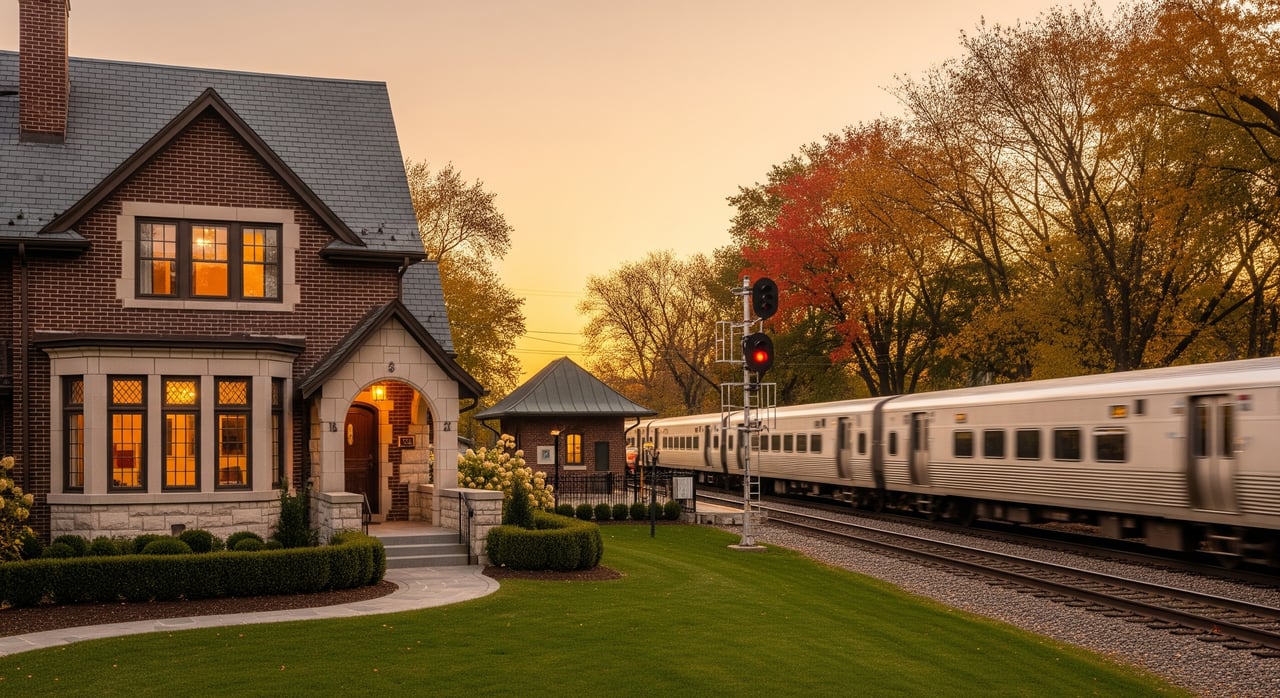
La Grange also has strong commuter appeal. The village says Metra serves two stations with about 5,000 daily boardings, which reinforces the community’s transit-oriented character. If access to the BNSF corridor and a downtown-centered lifestyle matters to you, that is a meaningful advantage.
La Grange Highlands does not have that same village-center setup. The civic association describes it as a residential area with scattered shopping plazas rather than a concentrated downtown. Based on those descriptions, buyers can generally expect a more car-dependent routine and a quieter suburban pace.
Which lifestyle fits you better?
You may prefer La Grange if you want:
- A defined downtown environment
- Easier access to Metra
- A more compact, pedestrian-friendly setting
- More variety in housing options
You may prefer La Grange Highlands if you want:
- Larger lots
- A quieter, primarily residential setting
- More space between homes
- A ranch-heavy housing profile
Historic character versus residential openness
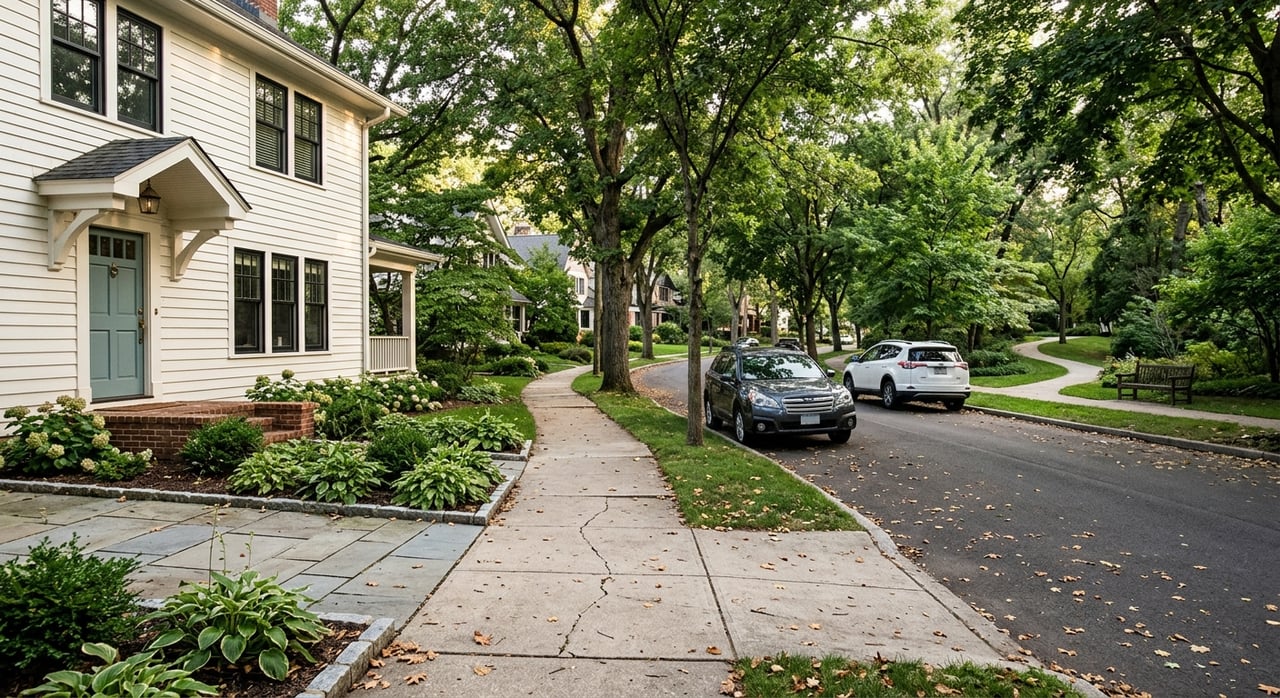
La Grange stands out for its historic village atmosphere. The village’s historic downtown information and housing overview point to a community with older architecture, established streets, and a central gathering area. For some buyers, that sense of place is a major part of the appeal.
La Grange Highlands offers a different kind of experience. Instead of a downtown-centered identity, it is known for its residential layout, larger lots, and quieter streetscape. If your priority is openness and a less concentrated neighborhood pattern, that distinction may matter more than proximity to a village center.
Neither option is inherently better. The right choice depends on how you want your home and surroundings to support your daily life.
The biggest tradeoff for buyers
For many buyers, the real decision comes down to one core tradeoff: walkability and convenience versus land and breathing room.
La Grange tends to suit buyers who value access to a central downtown, train service, and a more traditional village environment. Official village information also supports its appeal for buyers who want a connected, transit-accessible setting.
La Grange Highlands tends to suit buyers who want larger lots and a more purely residential feel. The local civic association’s overview reinforces that identity, especially for buyers focused on lot size and a quieter setting.
When I help buyers compare communities along the BNSF corridor, this is often where clarity starts. Once you know whether you value a walkable village lifestyle or a more spacious residential footprint, your home search usually becomes much more efficient.
How to compare the two areas wisely
Before you decide, it helps to compare these communities based on your actual routine, not just listing photos. Ask yourself:
- How important is train access in your weekly schedule?
- Do you want to walk to dining, shops, or community amenities?
- Would you trade that convenience for a larger lot?
- Are you looking for a ranch-style home or a wider mix of housing types?
- Do you prefer a historic village feel or a quieter residential setting?
The more clearly you answer those questions, the easier it becomes to rule homes in or out for the right reasons.
If you are weighing La Grange Highlands versus La Grange, local context matters. A neighborhood that looks close on a map can feel very different once you factor in lot patterns, home styles, commute options, and day-to-day rhythm. If you want tailored guidance as you compare homes and micro-locations in this part of the market, LaBelleSells can help you evaluate your options with a local, buyer-focused strategy.
FAQs
What is the main difference between La Grange Highlands and La Grange for homebuyers?
- The main difference is that La Grange is an incorporated village with a defined downtown and Metra access, while La Grange Highlands is an unincorporated residential community known for larger lots and a quieter, more spread-out feel.
Is La Grange more walkable than La Grange Highlands?
- Yes. Based on official descriptions, La Grange has a centralized downtown, sidewalks, and two Metra stations, while La Grange Highlands has a more residential layout with scattered shopping areas.
Are lot sizes larger in La Grange Highlands than in La Grange?
- Generally, yes. The La Grange Highlands civic association describes the area as predominately half-acre lots, which typically means more land than in many parts of La Grange.
Does La Grange offer more housing variety than La Grange Highlands?
- Yes. Village and CMAP data show that La Grange includes detached homes as well as some attached and multifamily housing, while La Grange Highlands is primarily single-family and ranch-heavy.
Which area may fit buyers who want a quieter residential setting?
- La Grange Highlands may appeal more to buyers seeking a quieter, primarily residential environment with larger lots and a less downtown-centered layout.
Which area may fit buyers who want train access and a village center?
- La Grange may be the better fit for buyers who want a central downtown, easier Metra access, and a more compact community structure.