Clearing has always been a place things move through. The name itself comes from the neighborhood's original job: farm goods from the area were "cleared," meaning delivered, through the nearby airport and the railroad yards that once threaded across the Southwest Side. Planes still take off over the rooftops every few minutes. I-55 skims the western edge. For most of its history, if you were talking about Clearing, you were probably talking about how to get somewhere else.
That changed, in a small but real way, last fall. A mural on a one-story commercial building at 63rd Street and Knox Avenue became the first stop on a citywide guided tour of Chicago's Día de los Muertos murals, one that winds east through Garfield Ridge, Little Village, Lawndale, and Pilsen before it's done. For three hours, on at least one day last October, people came to Clearing on purpose, before they went anywhere else. That's a small reversal for a neighborhood built to move people through it, and it's worth understanding why it happened here.
The Wall at 63rd and Knox
The mural sits on the west-facing wall of a strip mall building, the kind of unremarkable commercial storefront you'd pass a hundred times without a second look. Then you look. On the left is a traditional ofrenda, an altar draped in a red tablecloth, honoring people who have died. On the right, a trio of musicians strum stringed instruments. In the center, an anatomical heart wrapped in thorny vines is flanked by two calacas, or decorated skeletons: one wearing a wide-brimmed mariachi hat in the style of La Catrina, the other in a wide brown hat, with skulls resting between them, according to the Chicago Sun-Times' reporting on the piece.
The artist is Henry Gonzalez, who works under the name Gape One and lives in nearby Archer Heights. He and his team finished the piece in about two weeks in late 2024, working entirely in spray paint. Gonzalez has mostly shifted his focus to tattooing since then, telling the Sun-Times the work is easier on his body than climbing ladders for days at a time. That means this mural may stand for a while as one of the last large public pieces he paints, which gives it a kind of weight beyond the wall it's on.
"A meaningful holiday for the Latino culture and the community."
That's how Gonzalez described Día de los Muertos to the Sun-Times. It wasn't his first mural built around that idea. In 2023, he painted a piece at 21st Street and Ashland Avenue in Pilsen honoring immigrants, with red silhouettes forming the stripes of an American flag. The Clearing mural extends that same thread of work into a neighborhood that doesn't usually show up in conversations about Chicago's Mexican and Latino cultural landmarks, which tend to center on Pilsen and Little Village.
Gonzalez also pointed out something specific to the moment the mural was painted. With federal immigration raids continuing around Chicago in 2025, he said the holiday's themes of remembrance and cultural identity might carry extra weight that year for Latino Chicagoans. That context is part of why the piece reads as more than decoration. It's a marker planted at a particular time, in a particular place, by someone who thought carefully about both.
Starting Line, Not Side Stop
Here's the part that says something about how Clearing fits into the city's map of Día de los Muertos culture. According to Block Club Chicago's roundup of ways to celebrate the holiday, a guided mural tour kicks off in Clearing and takes attendees through seven memorial murals across Pilsen, Lawndale, Little Village, and Garfield Ridge. Attendees are welcomed with a churro and a drink before the group sets out.
If you know Chicago's public art scene at all, you know the gravity usually pulls the other direction. Pilsen and Little Village are where people go to look at murals. They're the neighborhoods with the decades of muralism, the National Museum of Mexican Art, the block-long ofrendas. Clearing isn't usually mentioned in the same sentence. But this particular tour puts Clearing first on the route, not last, and not as an afterthought squeezed in on the way back.
Part of that is simple geography. Clearing sits at the western edge of that corridor, so a route moving east toward Garfield Ridge, Little Village, Lawndale, and Pilsen has to start somewhere near the airport. But geography alone doesn't explain why organizers chose to open the tour with a churro and a drink at a strip mall wall on 63rd Street instead of just driving past it. It means every person on that tour learns the Gonzalez mural, and something about Clearing's own connection to the holiday, before they see the murals most Chicagoans already associate with Día de los Muertos.
Día de los Muertos itself is traditionally observed October 31 through November 2 each year, and last year's tour ran during that same window. If the tour returns this fall, Clearing's mural will likely be the first thing on the itinerary again, which is worth knowing if you live nearby and want to see the piece before it becomes a stop on someone else's group photo.
A Neighborhood Built by Whoever Needed It Fastest
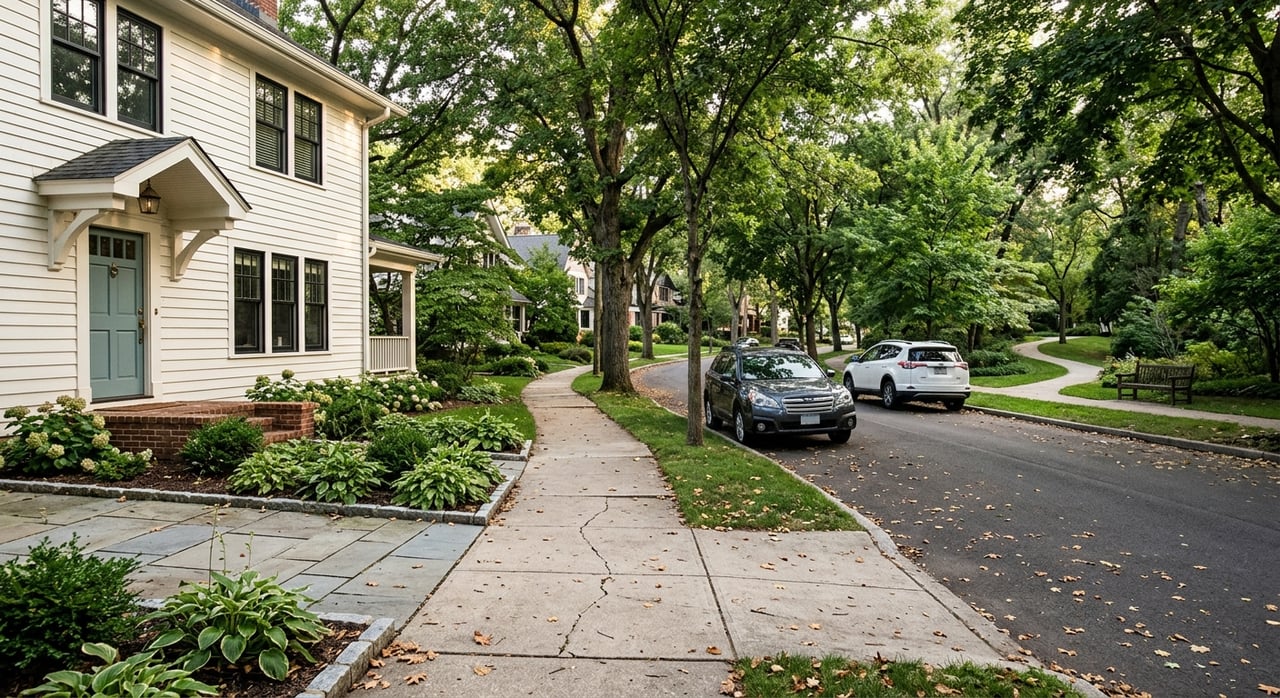
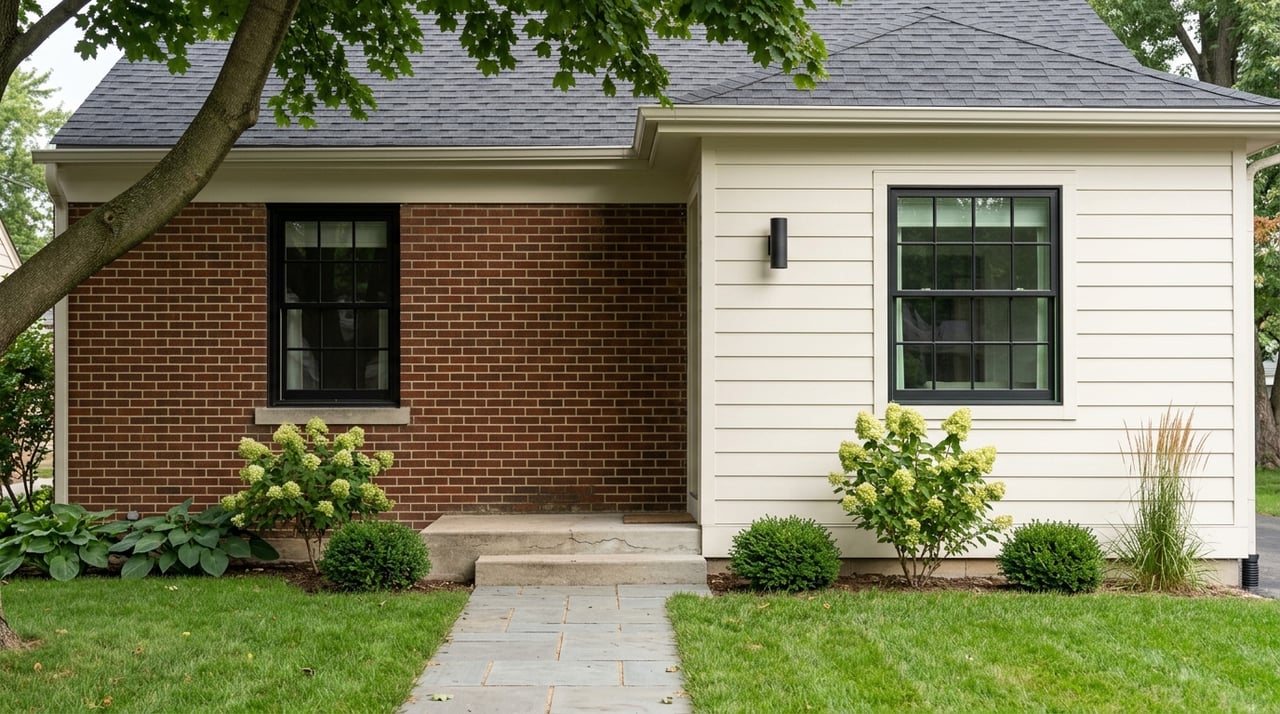
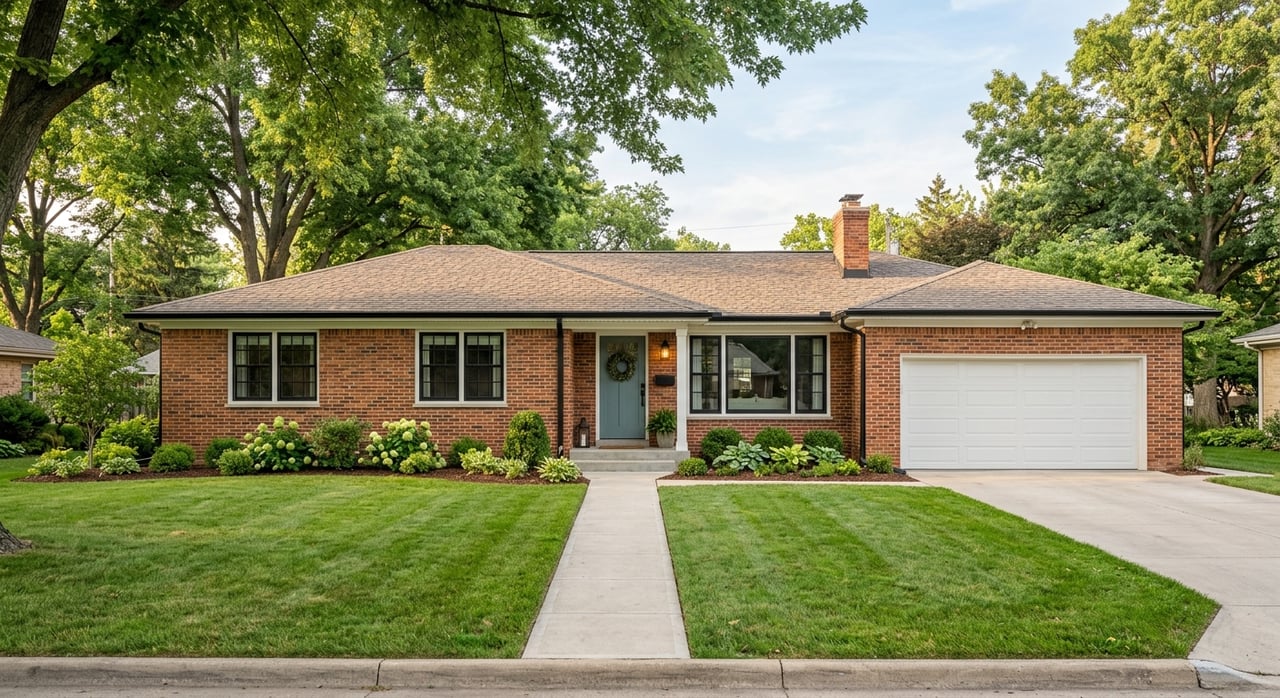
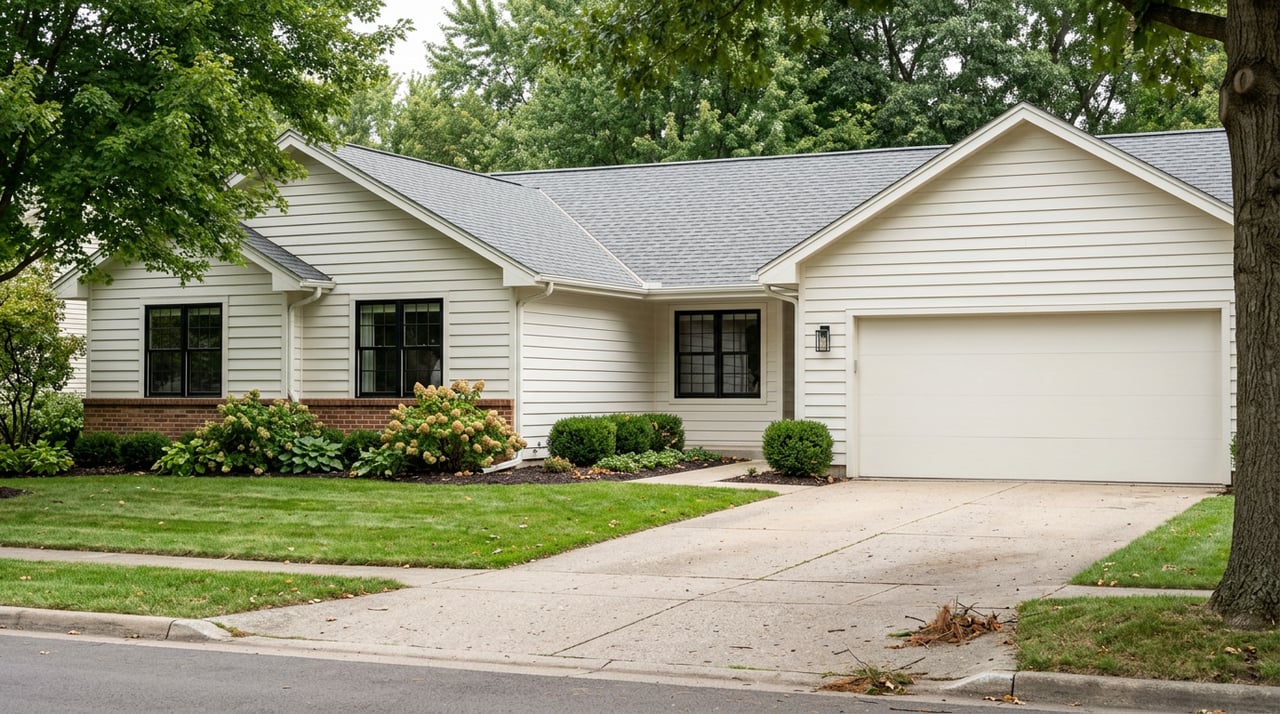
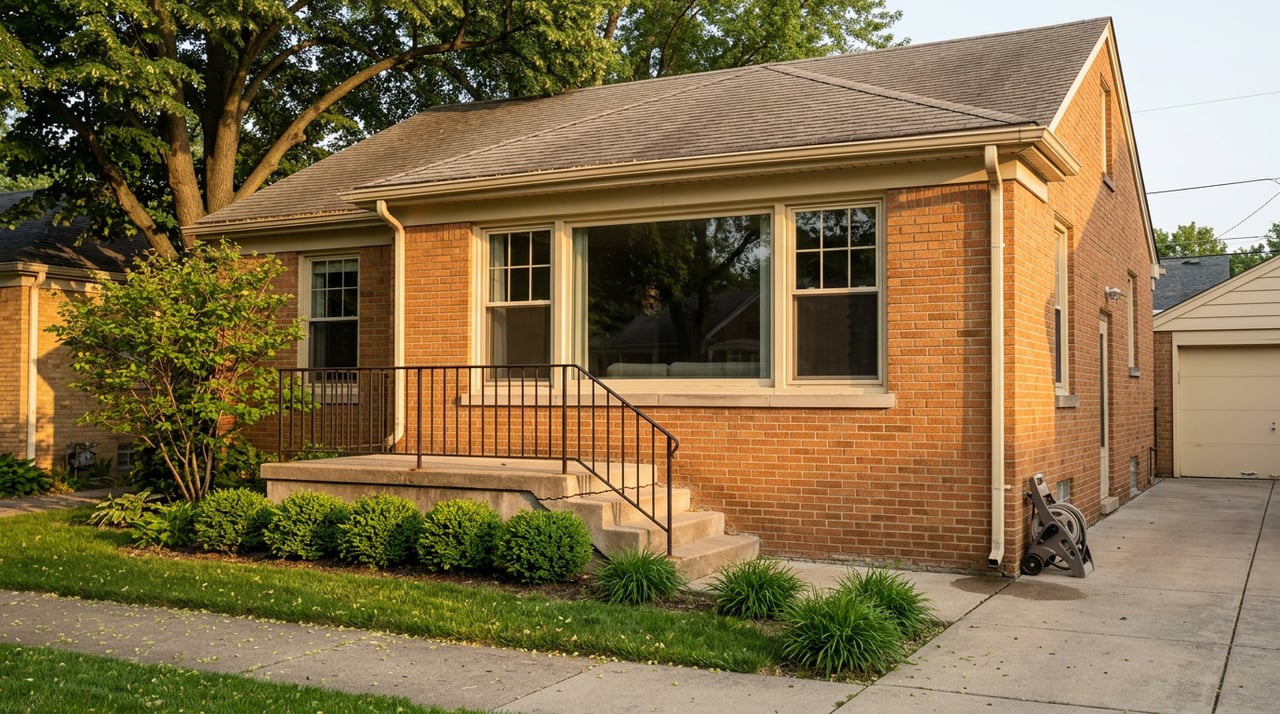
The mural's placement fits a pattern that goes back to how Clearing was built in the first place. The neighborhood stayed sparsely populated until the 1940s, when industrial development on the Southwest Side and in nearby suburbs triggered a wave of residential construction to house workers fast. Chrysler Village, on the eastern edge of Clearing between Midway Airport and the Clearing Industrial District, is the clearest example. The sturdy brick single-family homes, duplexes, and townhouses there were built in 1943 to house workers at the Chrysler Defense Plant, who were building engines for B-29 bombers during World War II. That same plant later became the Ford Aircraft Engine Division, building B-52 bomber engines, and eventually turned into what's now known as Ford City.
Lawler Park, which sits at the center of that same postwar development, has its own layered history, drawn from the Chicago Park District's own records:
- The Lawler Park subdivision was established in 1944, and the park itself was originally called Leamington Park, for the street to its west, before being renamed by 1958 to match the surrounding subdivision.
- The park and the subdivision both take their name from Union General Michael K. Lawler, who was born in Kildare, Ireland, fought in the Mexican War, and was promoted to general by Ulysses S. Grant during the Civil War.
- The city began building a park on the site in 1947, and by 1950 had added a sandbox and playground equipment.
- Chicago transferred the park to the Chicago Park District in 1957, and the following year the district added basketball and volleyball courts along with a brick recreation building.
- In 1985, a $100,000 appropriation from the State of Illinois paid for a full rehab of the athletic field and playground, with further improvements added through the 1990s.
Today the park totals 4.82 acres and includes two baseball diamonds, a playground, and basketball courts, according to the same Park District page. None of that history is dramatic on its own. But it tracks a neighborhood that has spent most of its existence being built quickly to solve someone else's problem: house the defense workers, clear the farm goods, land the planes. A mural that draws people in on purpose, instead of just letting them pass through, is a small but genuine departure from that pattern.
What This Means If You Live Here
If you're in Clearing, you've probably driven past 63rd and Knox more times than you can count. Worth stopping for a longer look before the fall, especially if this year's mural tour follows last year's route. The piece carries more context than most murals get: an artist who's largely moved on from painting, a moment tied to a specific year's headlines, and a route that puts your neighborhood first instead of treating it as a stop between the airport and somewhere more photographed.
Lawler Park is worth the same kind of second look. A 4.82-acre park built out of a WWII housing push, named for a Civil War general born an ocean away, upgraded piece by piece across four decades, is more history than most neighborhood parks carry. It's easy to miss when you're just there for a Little League game.
If you're thinking about what's next for your own place in a neighborhood like this, whether that's buying your first home here, selling one you've outgrown, or just understanding what your property is worth in a market that doesn't always show up in the bigger Chicago headlines, Catherine Dugan LaBelle has spent two decades helping people make sense of neighborhoods like Clearing from the inside. Reach out to schedule a complimentary consultation whenever you're ready to talk.