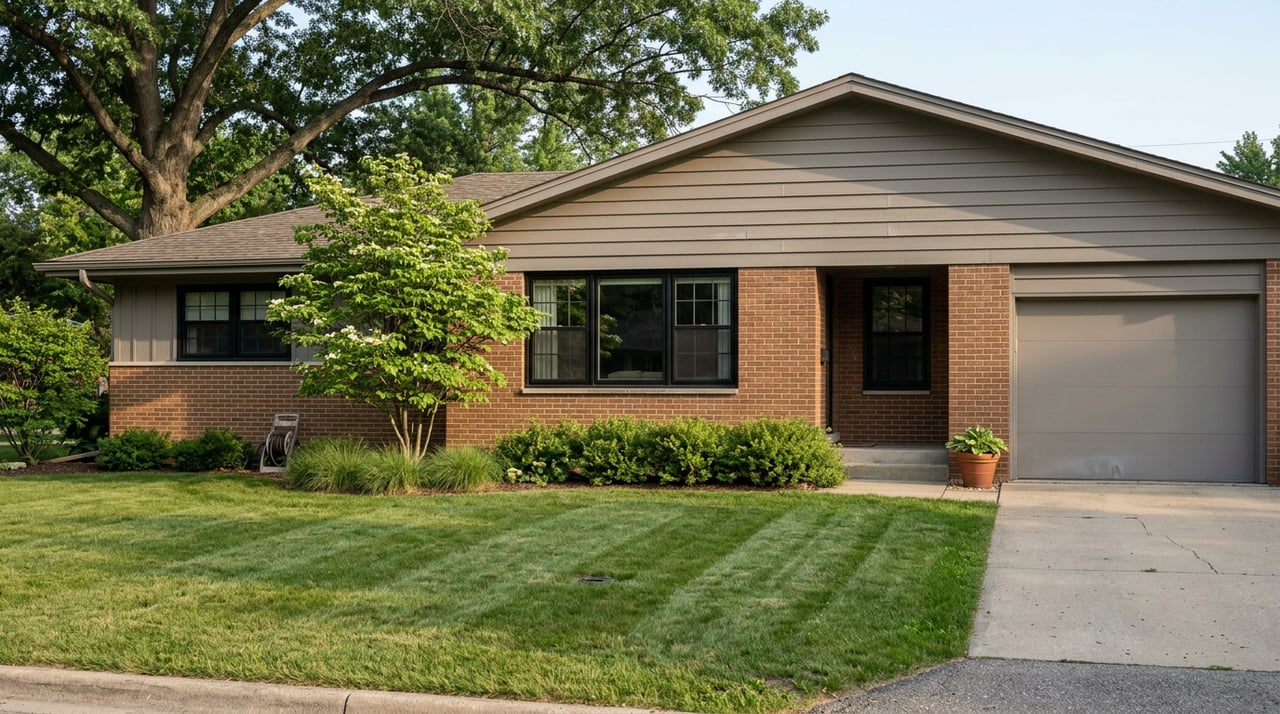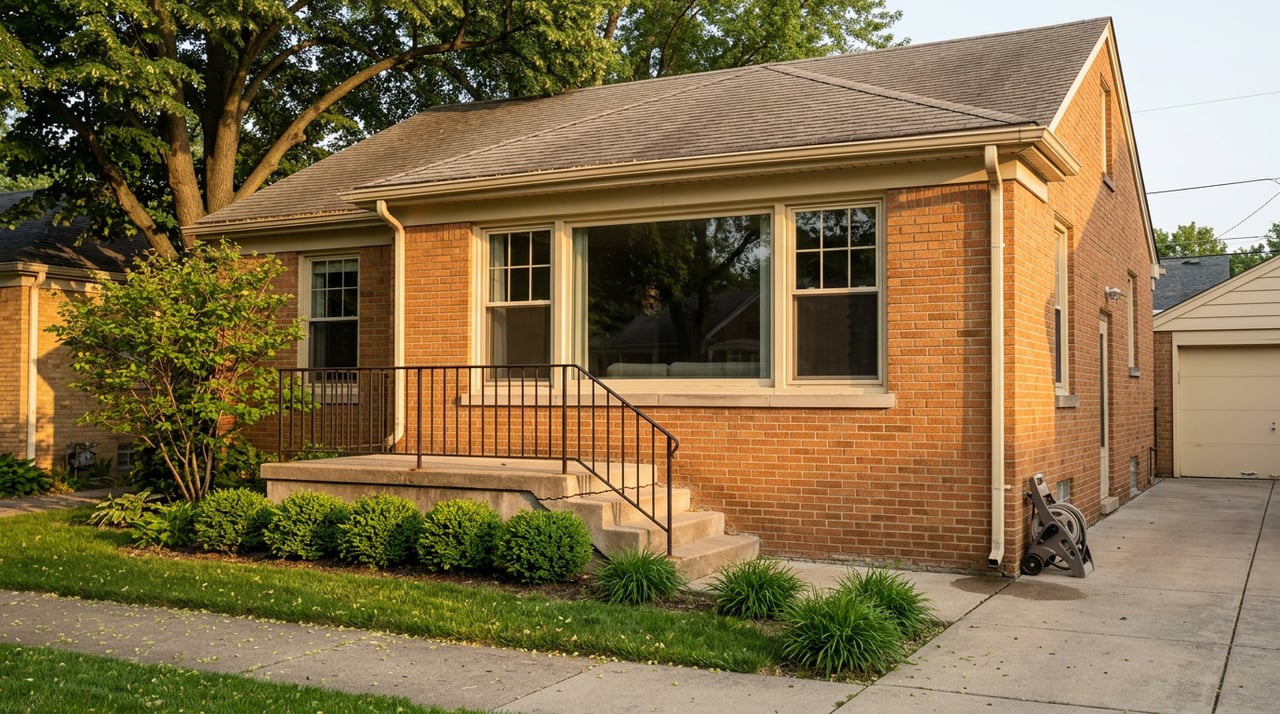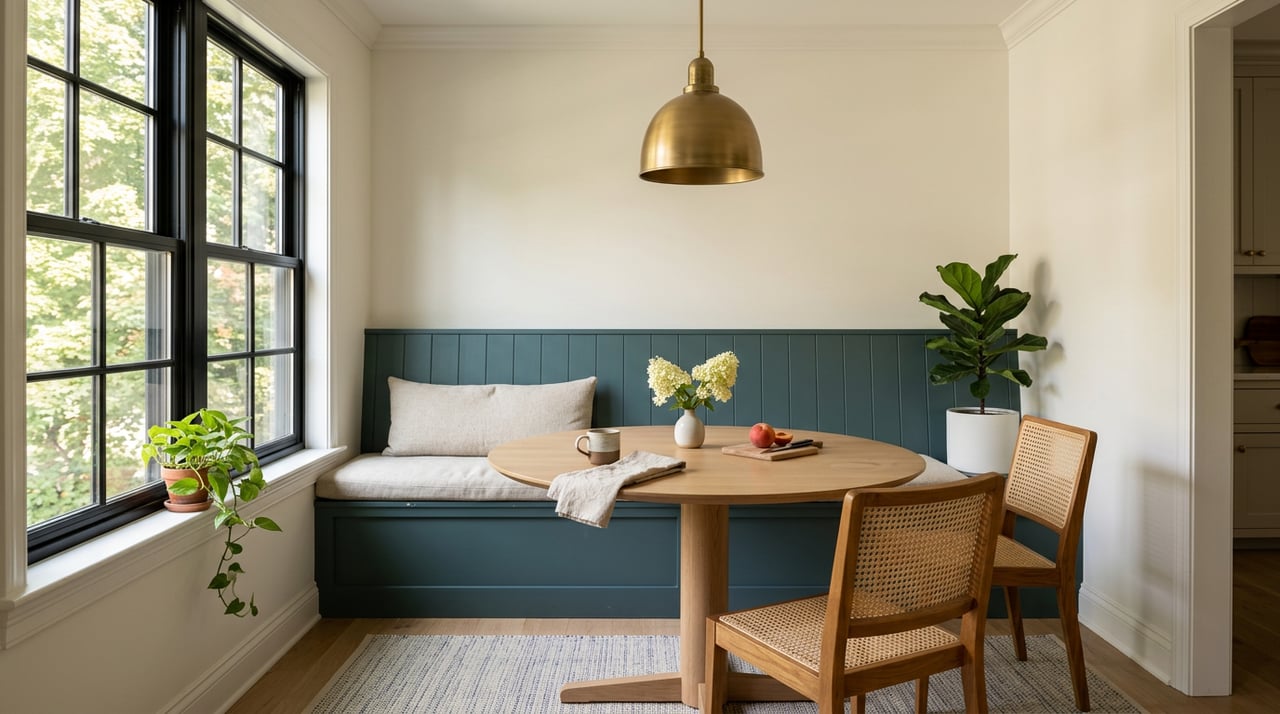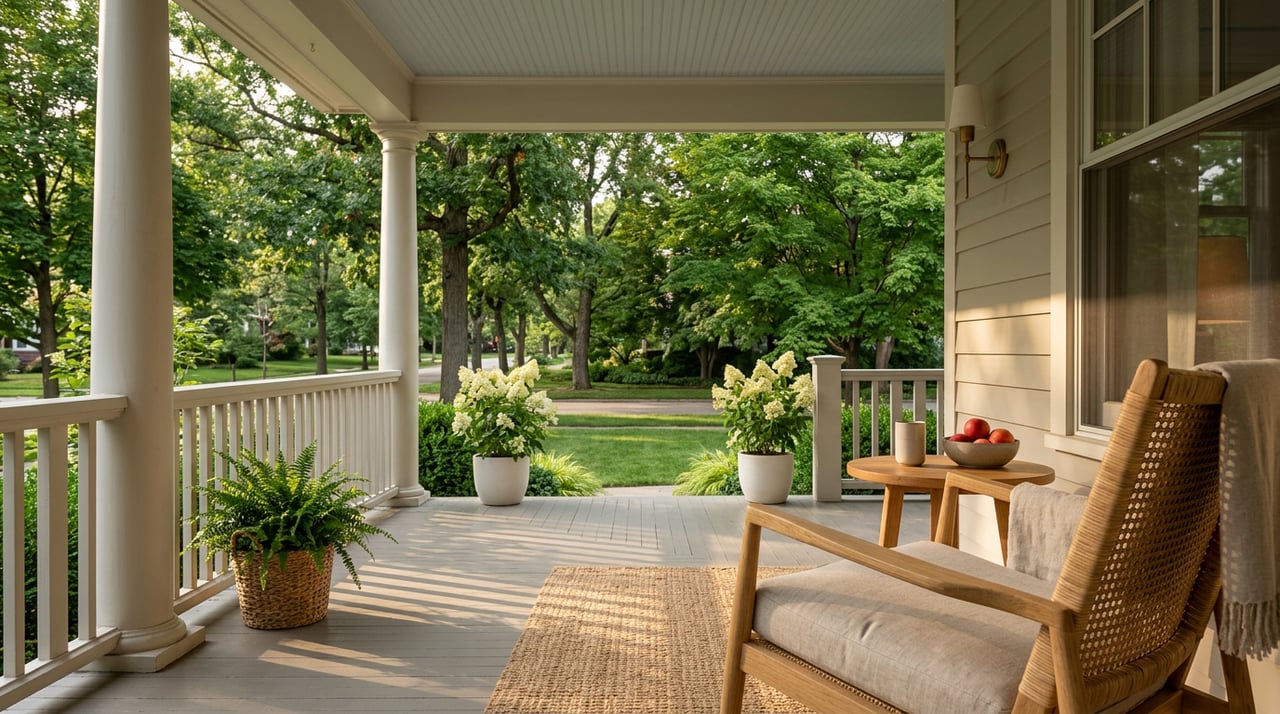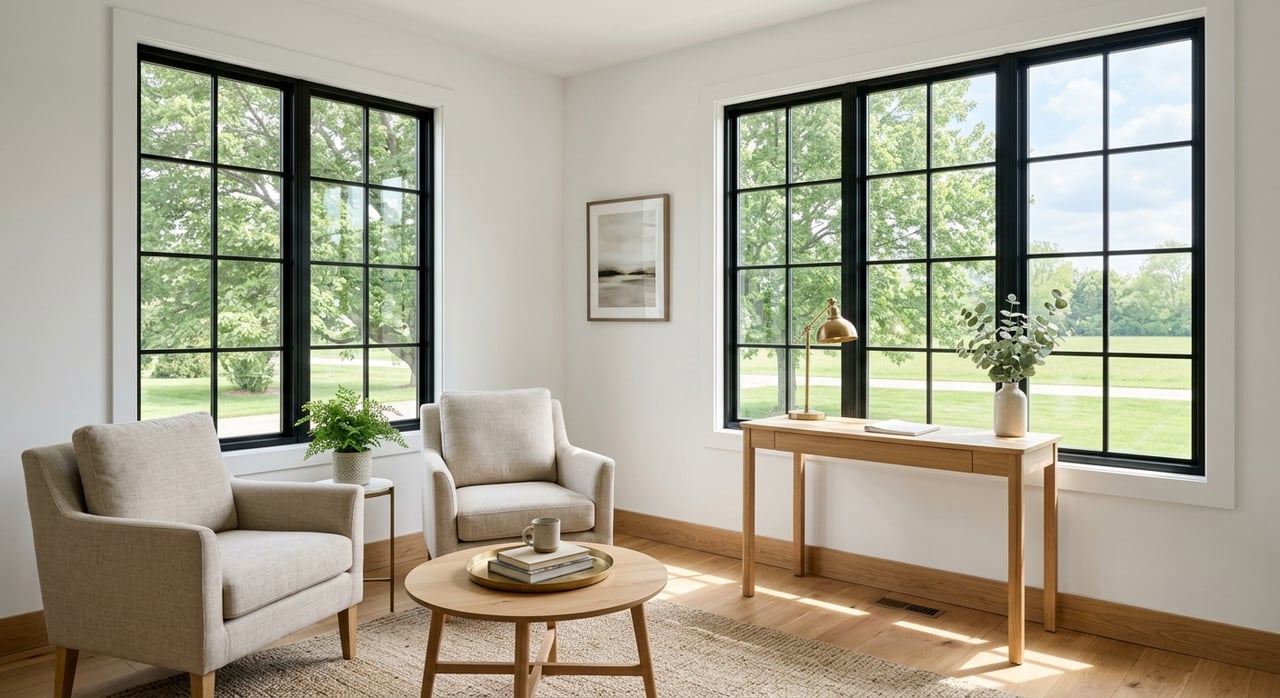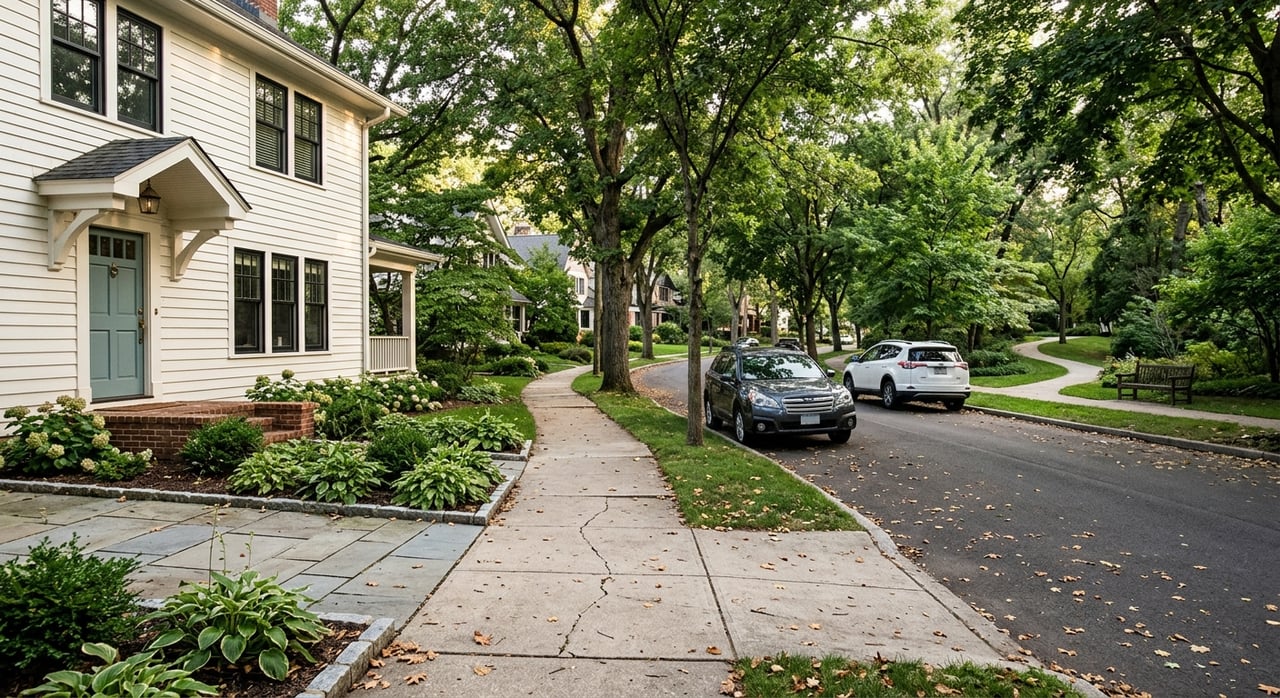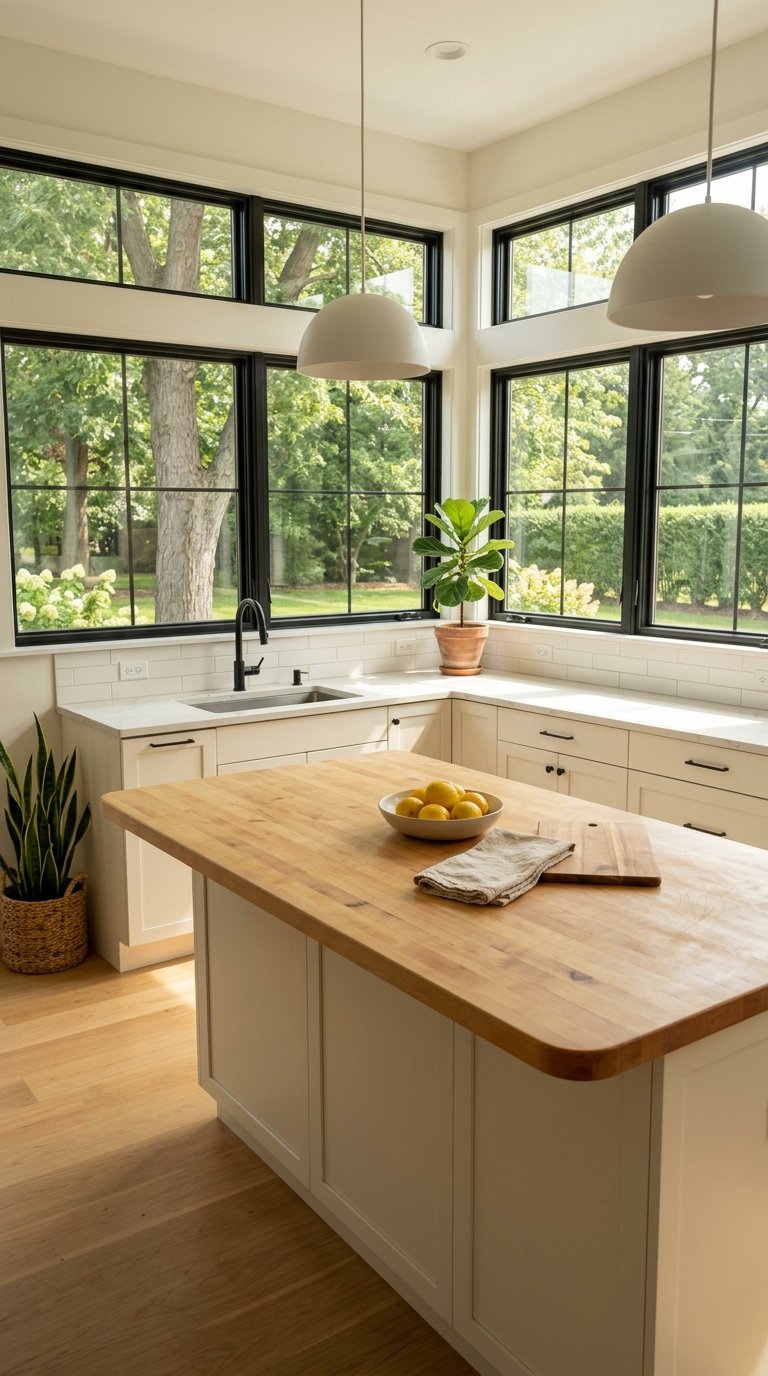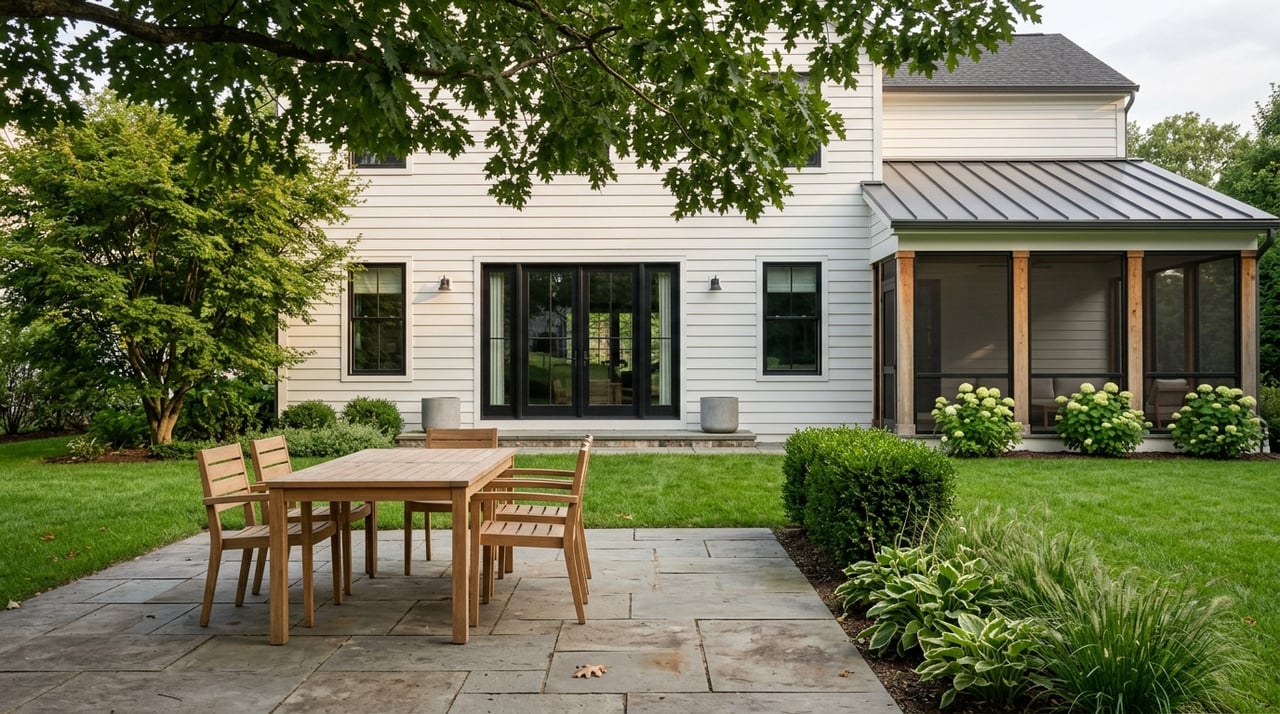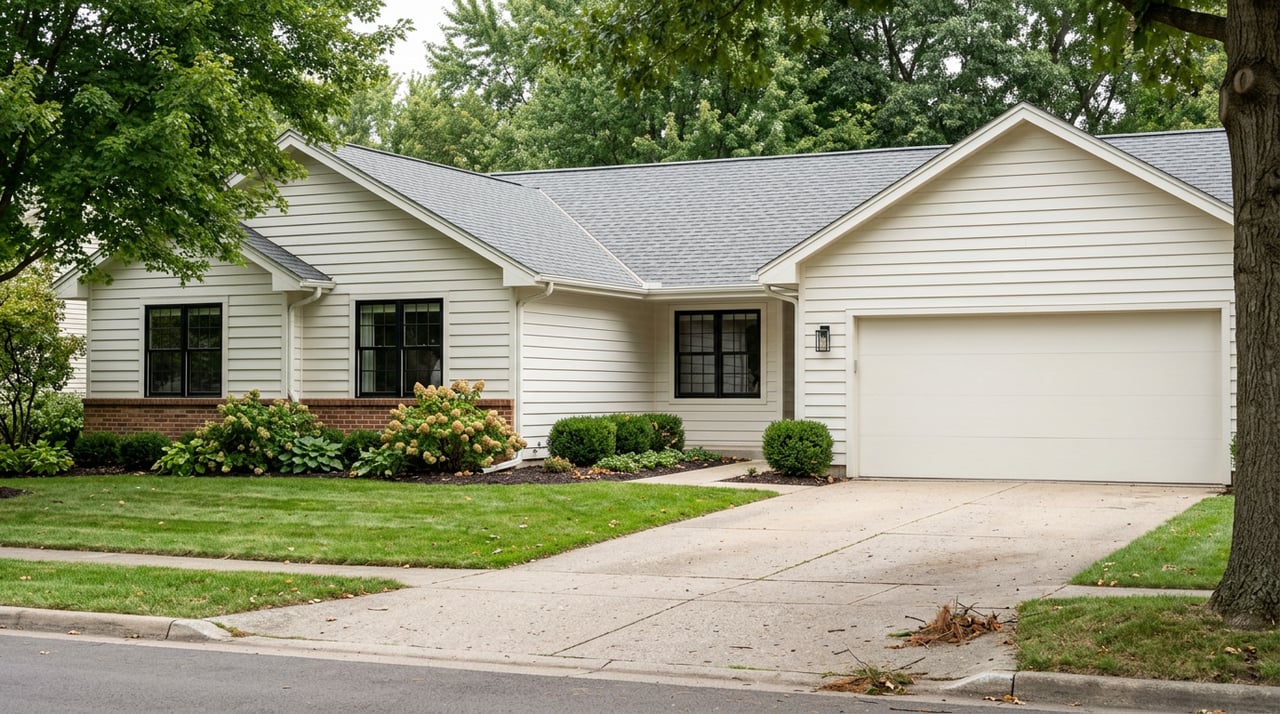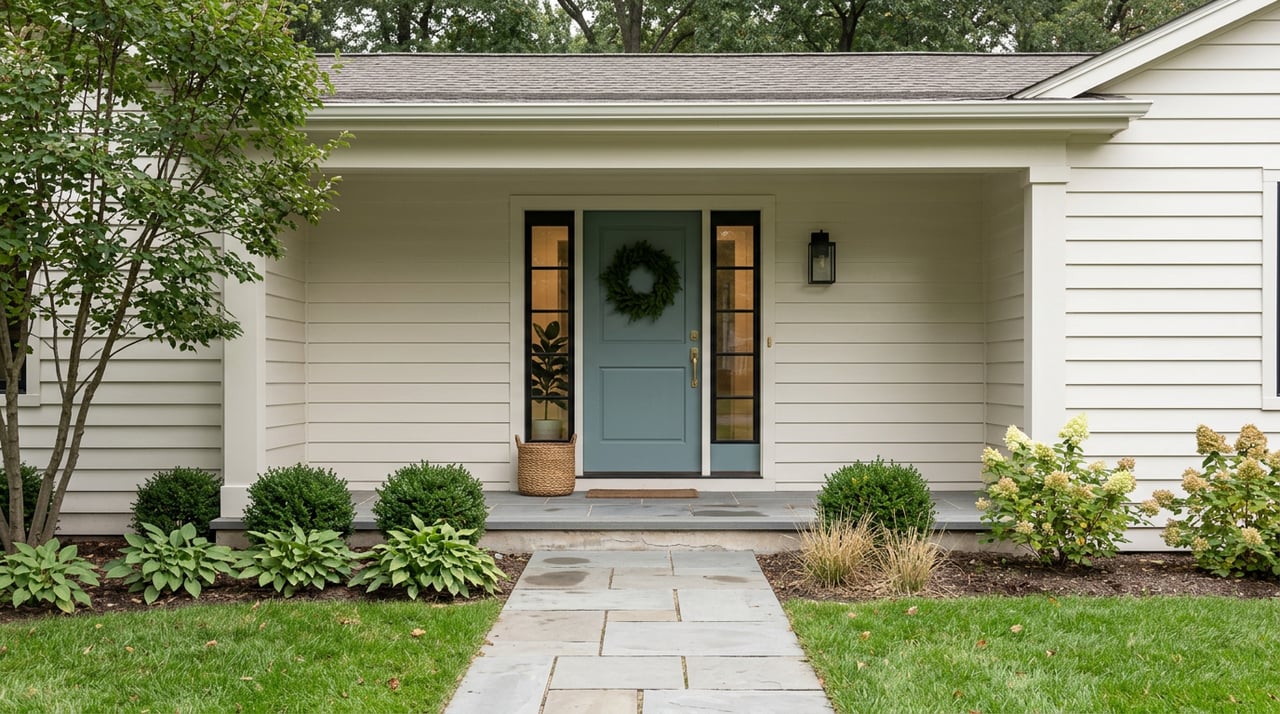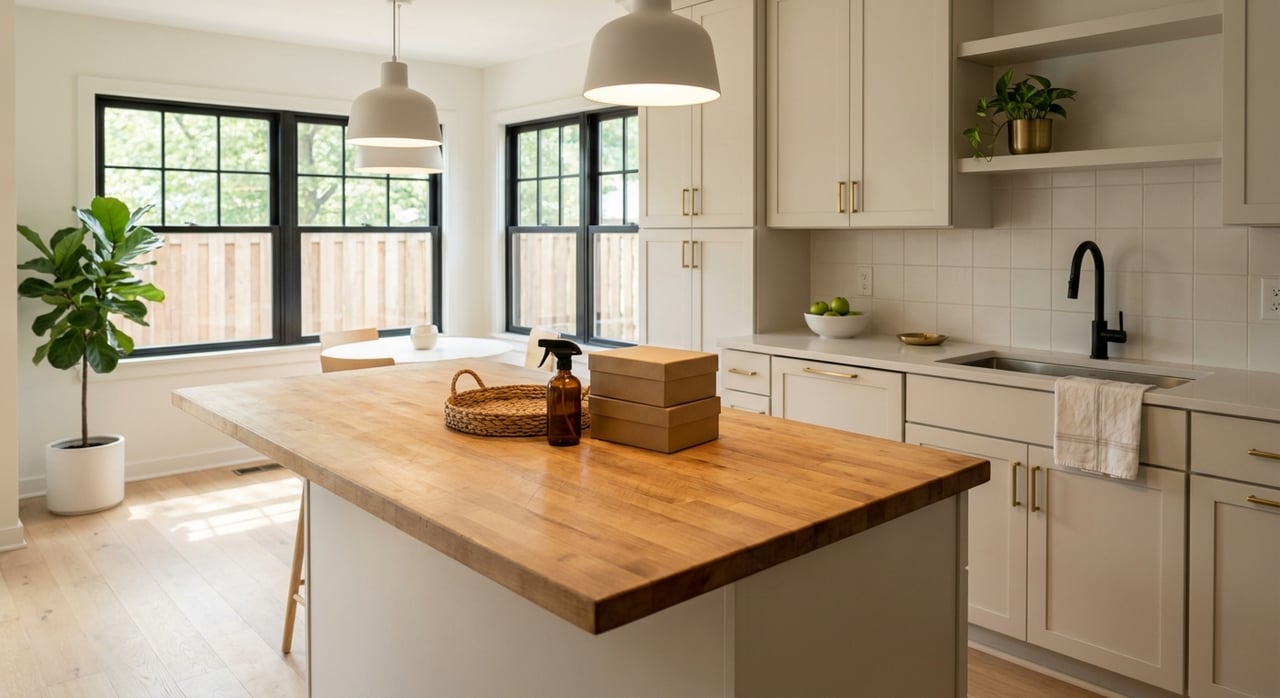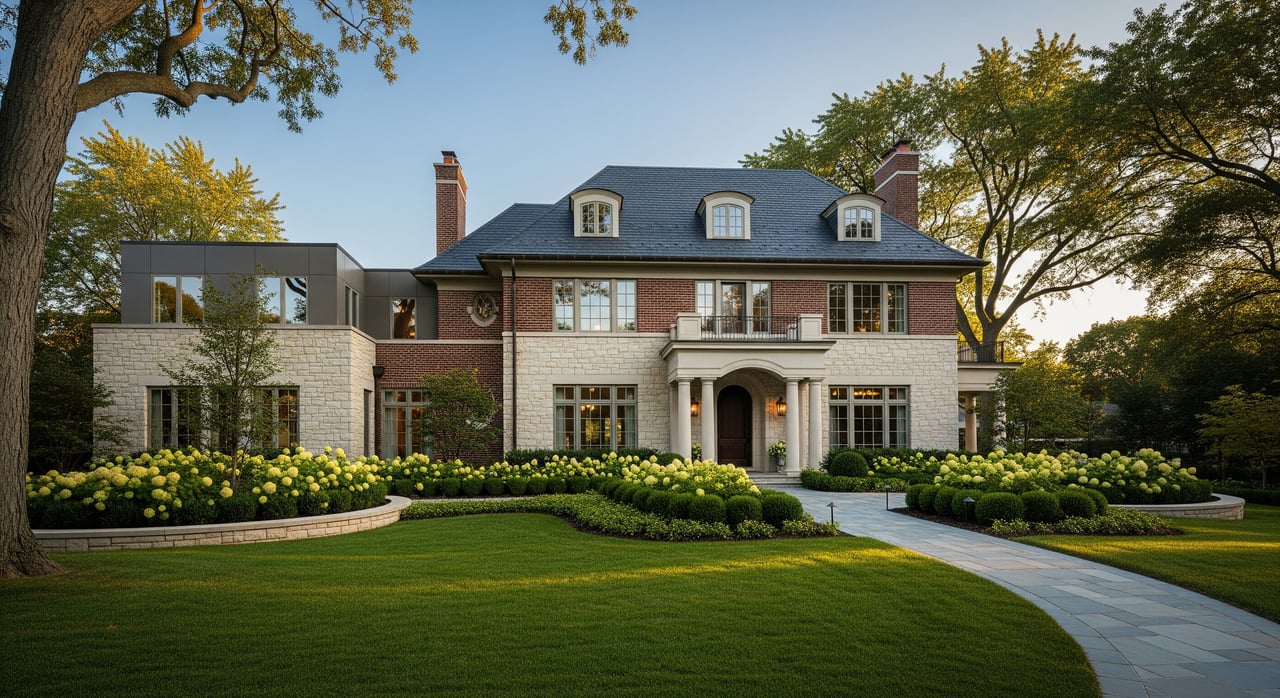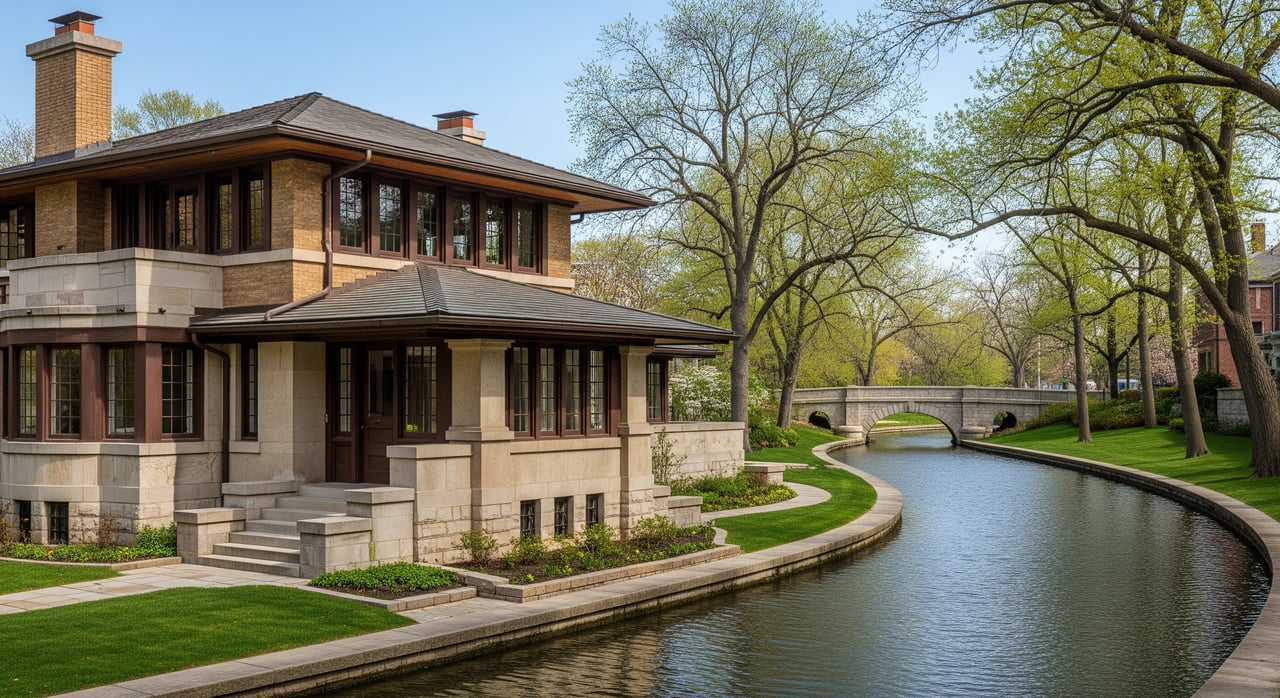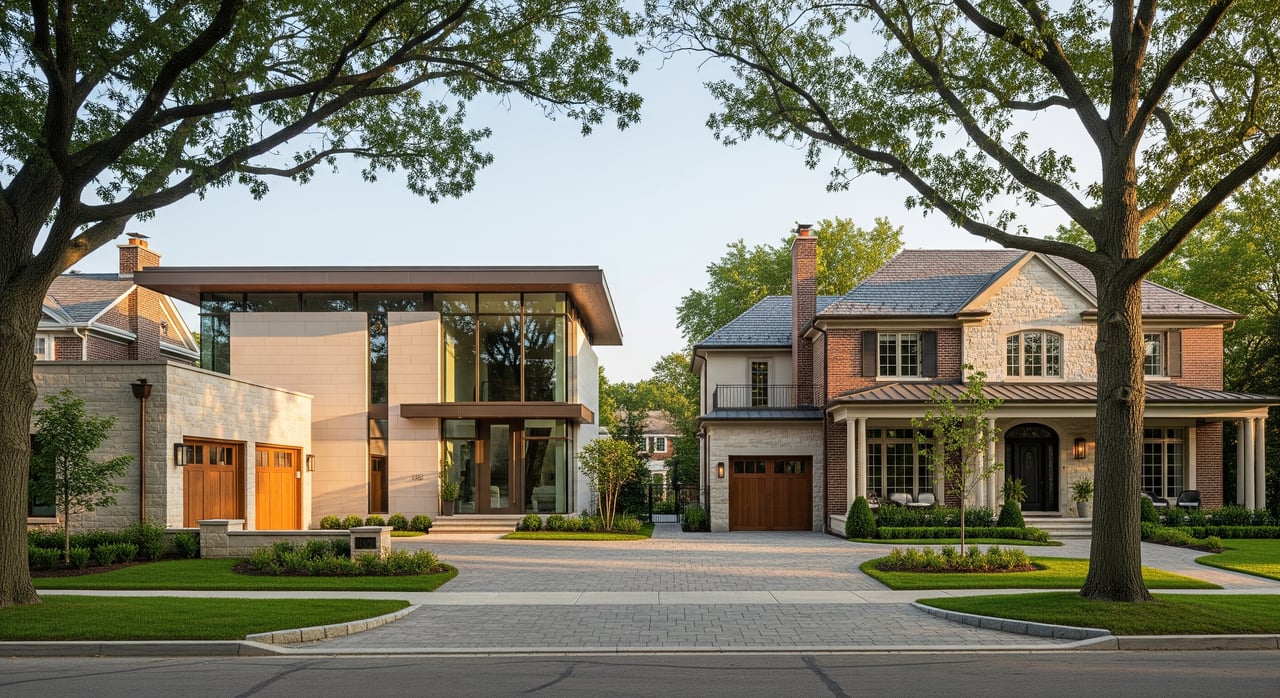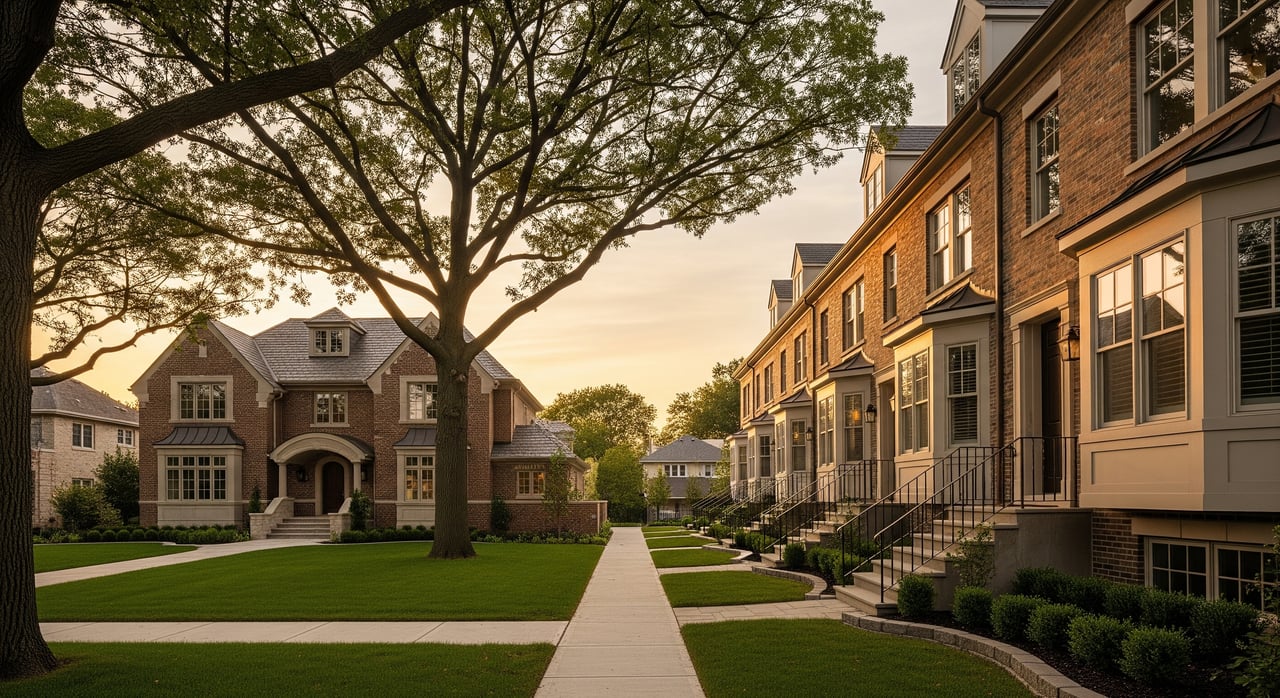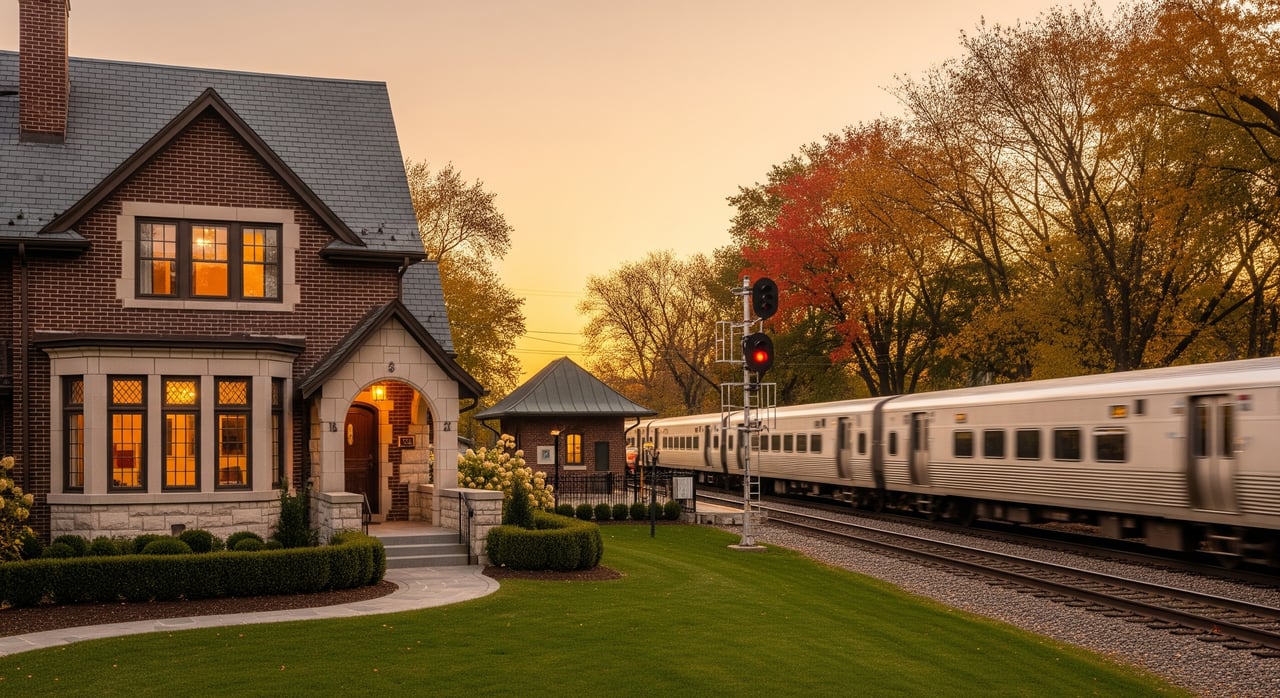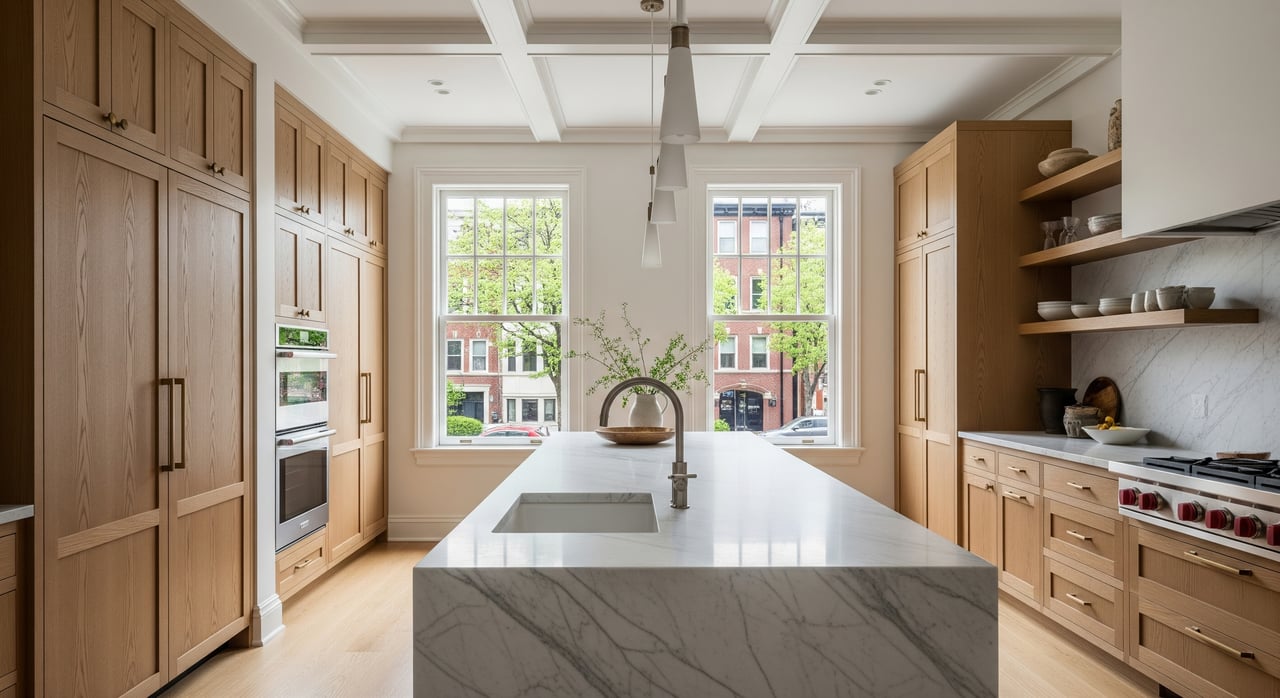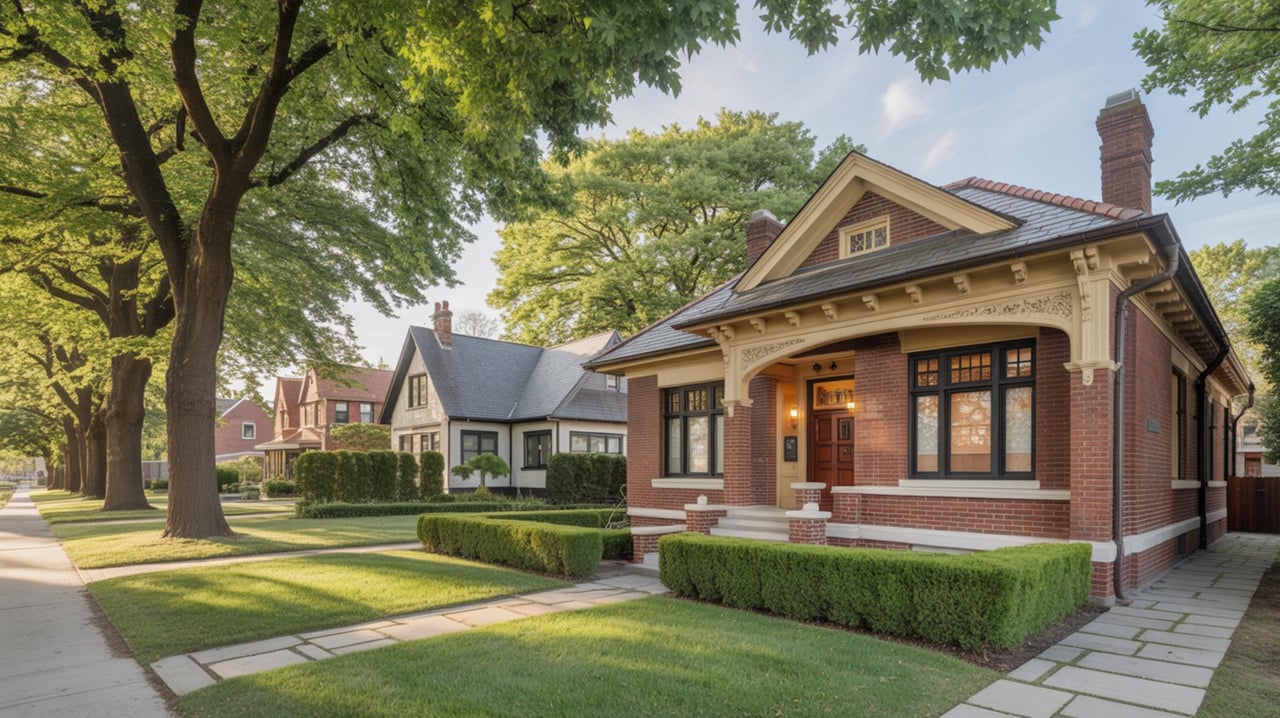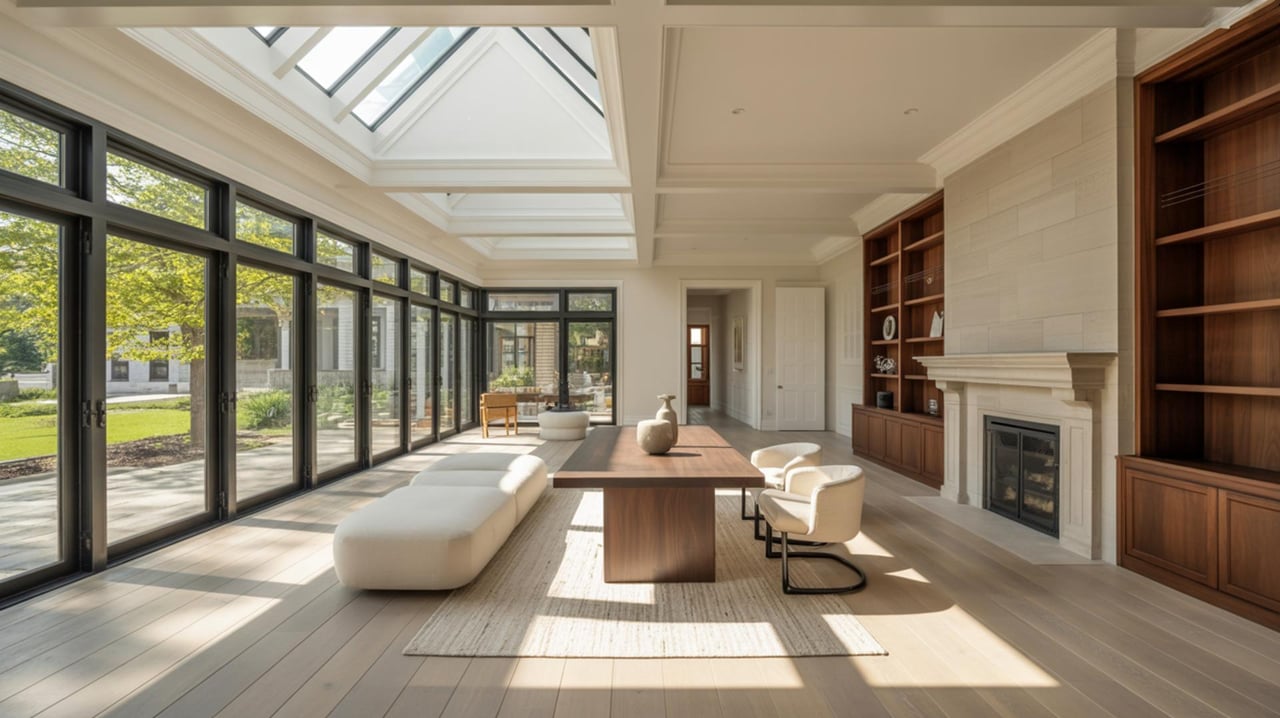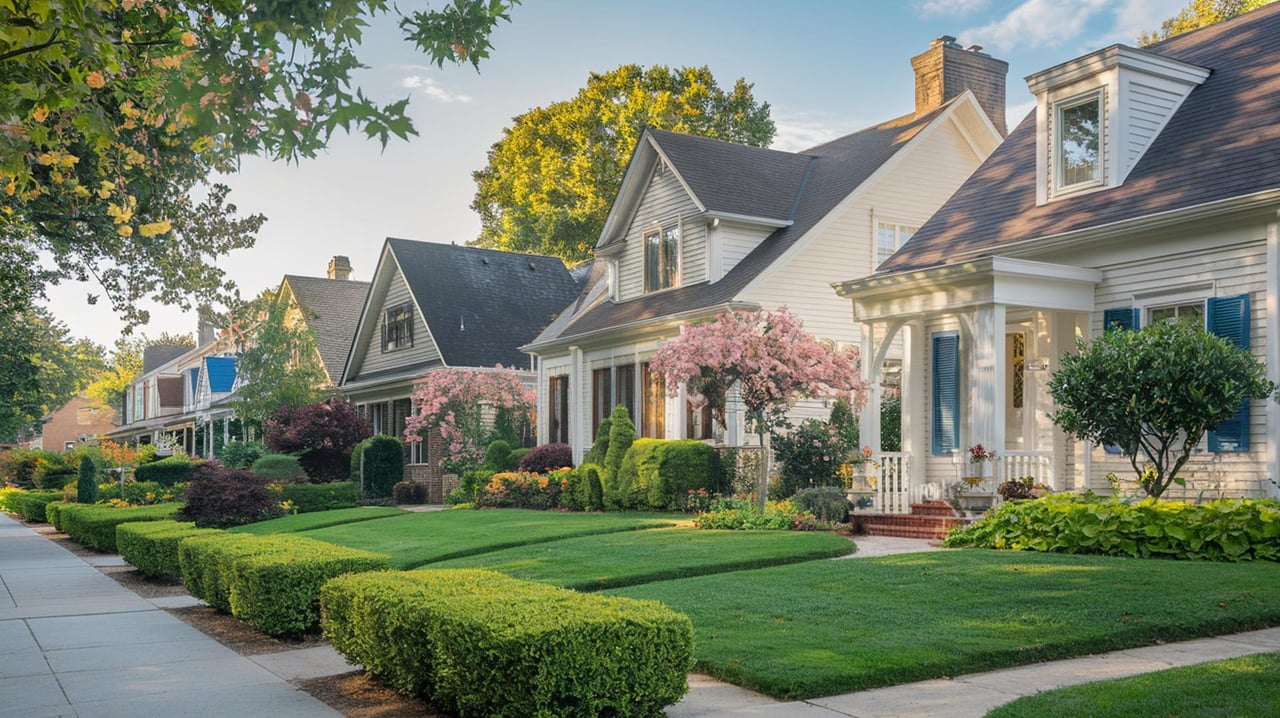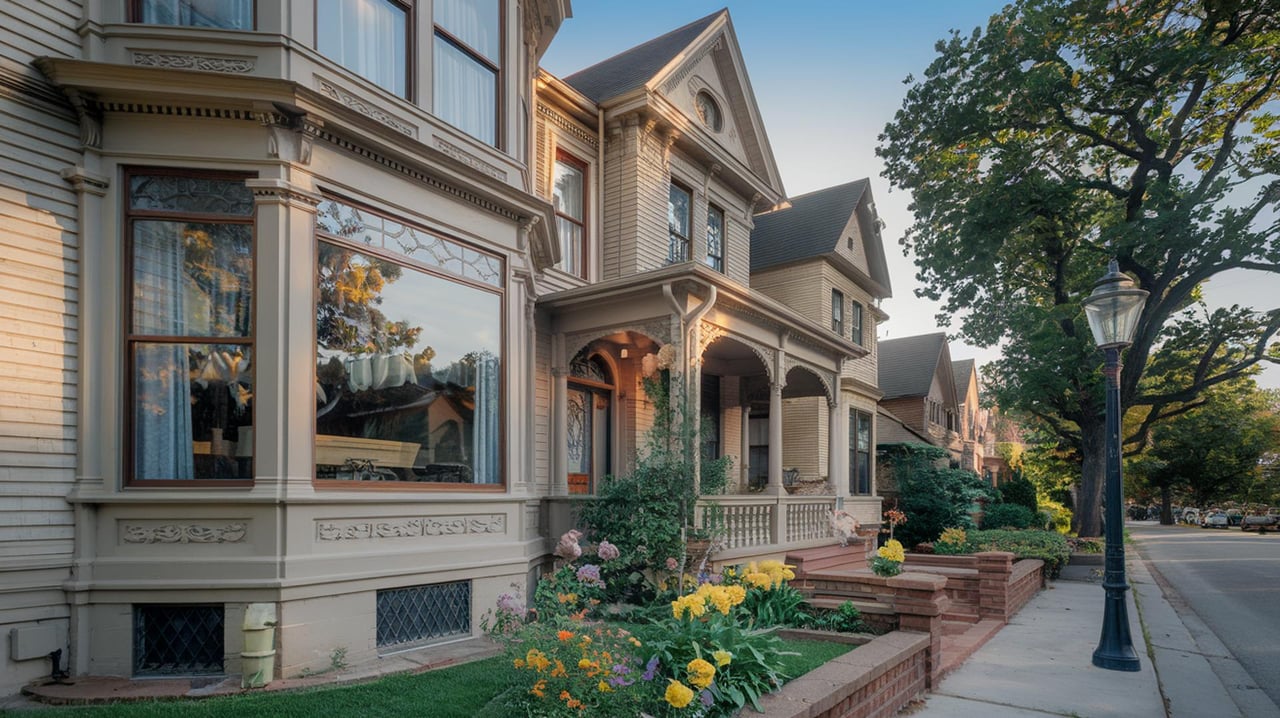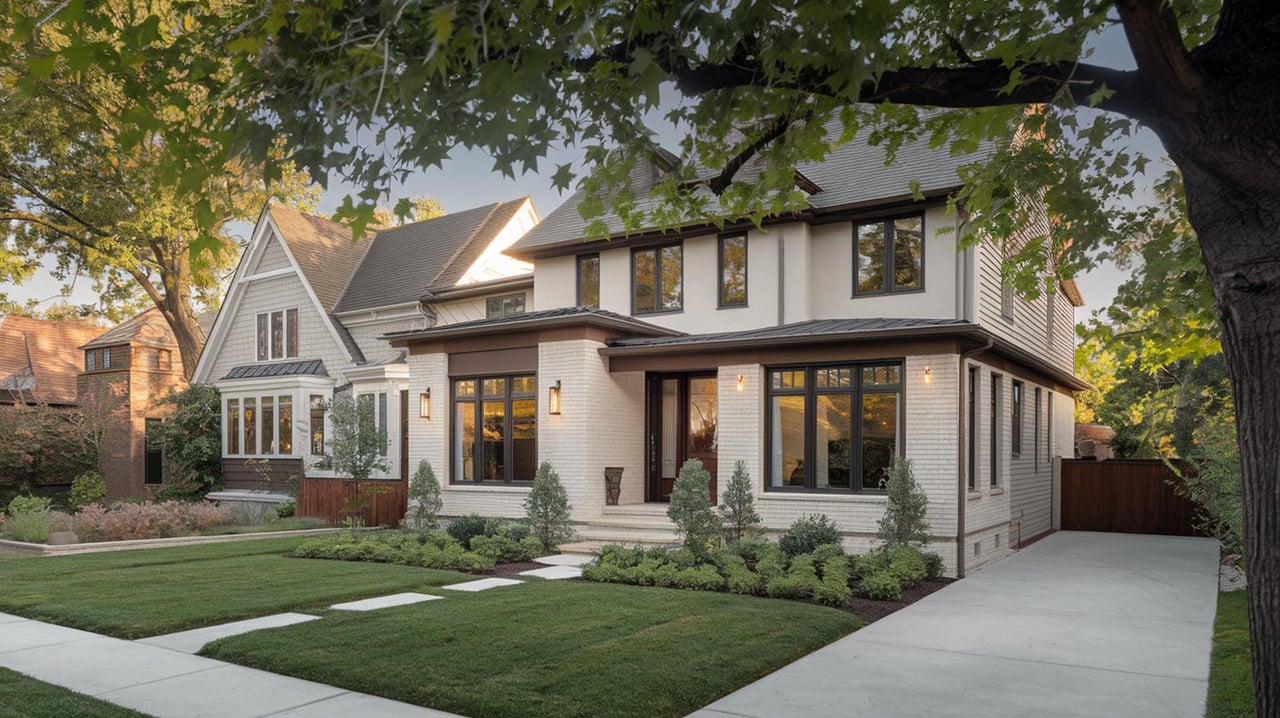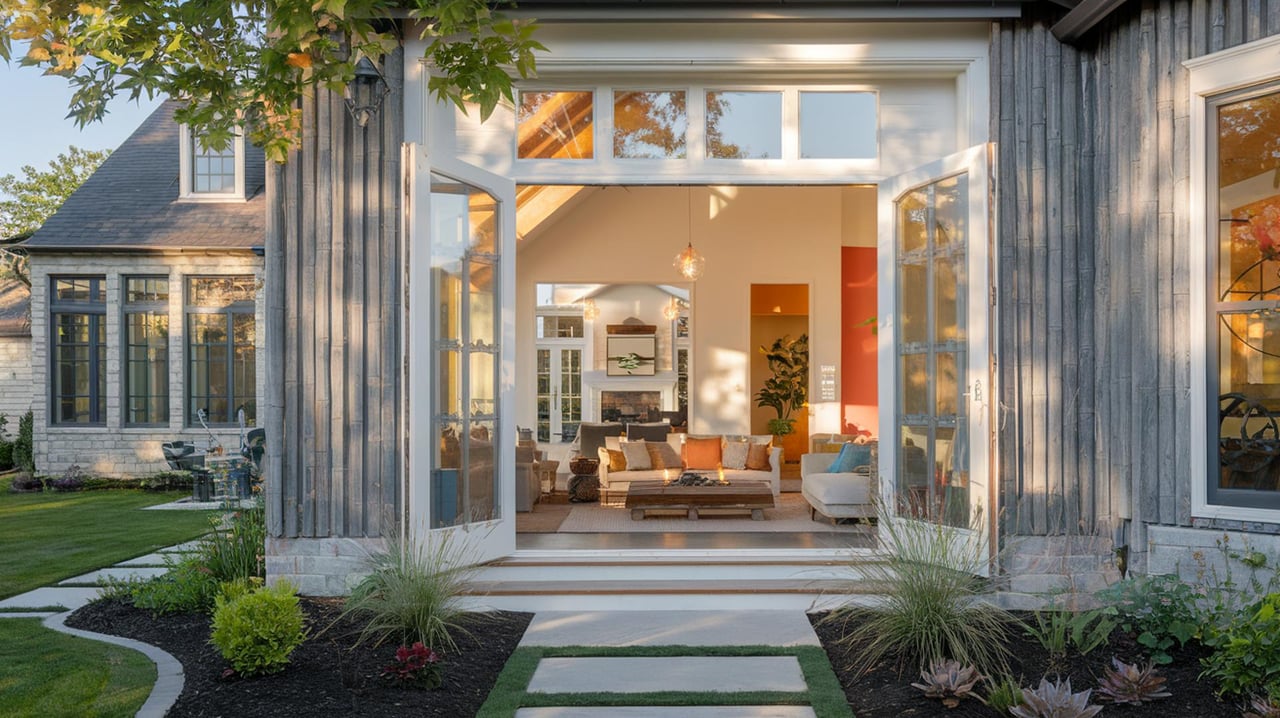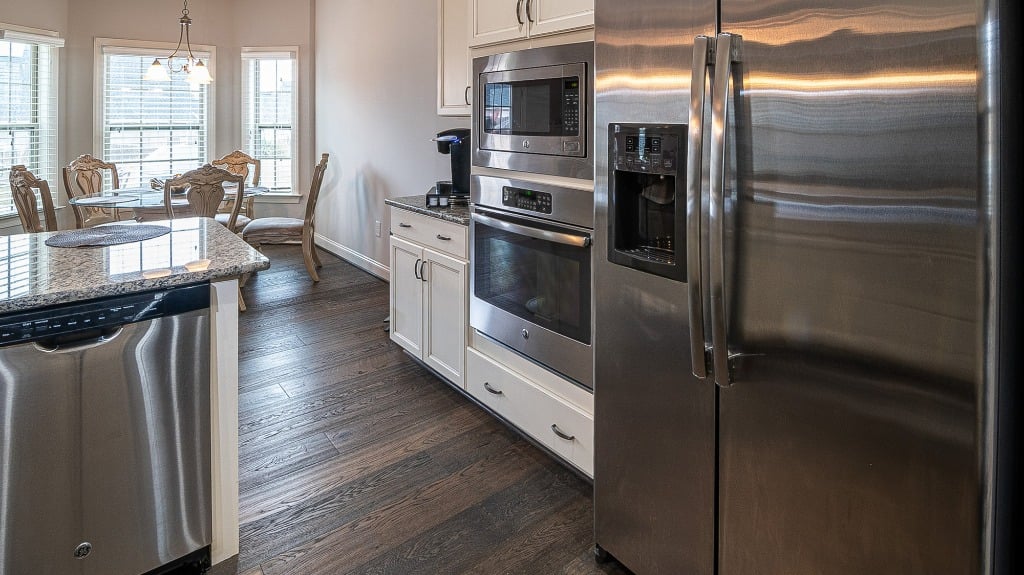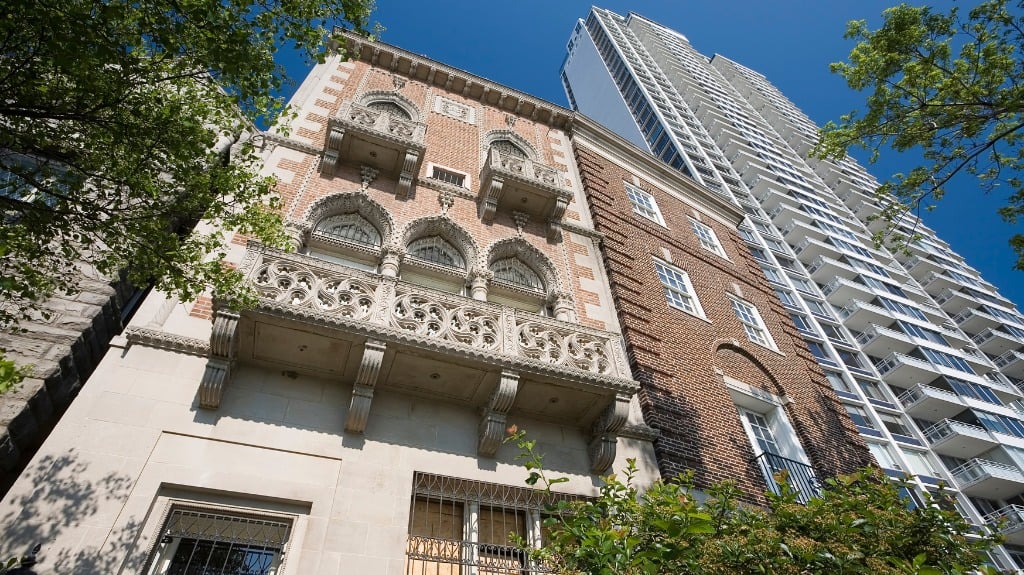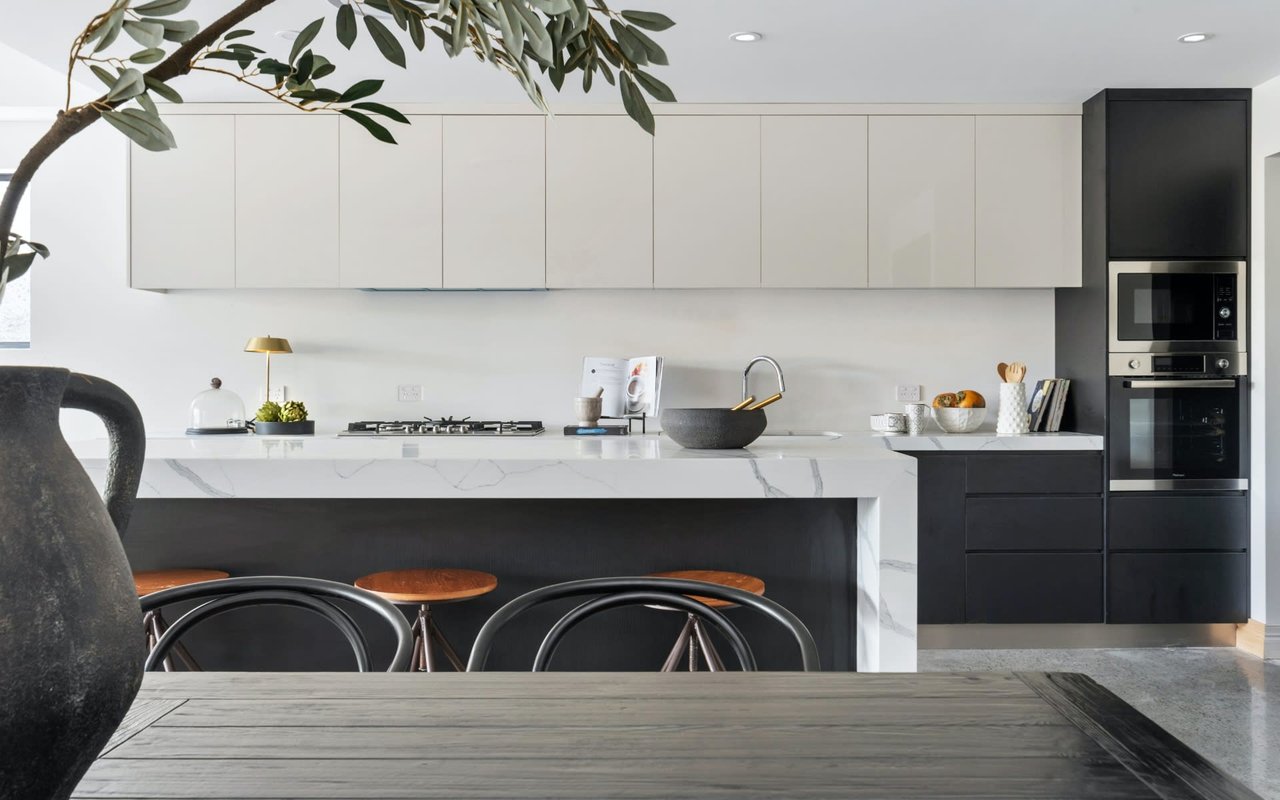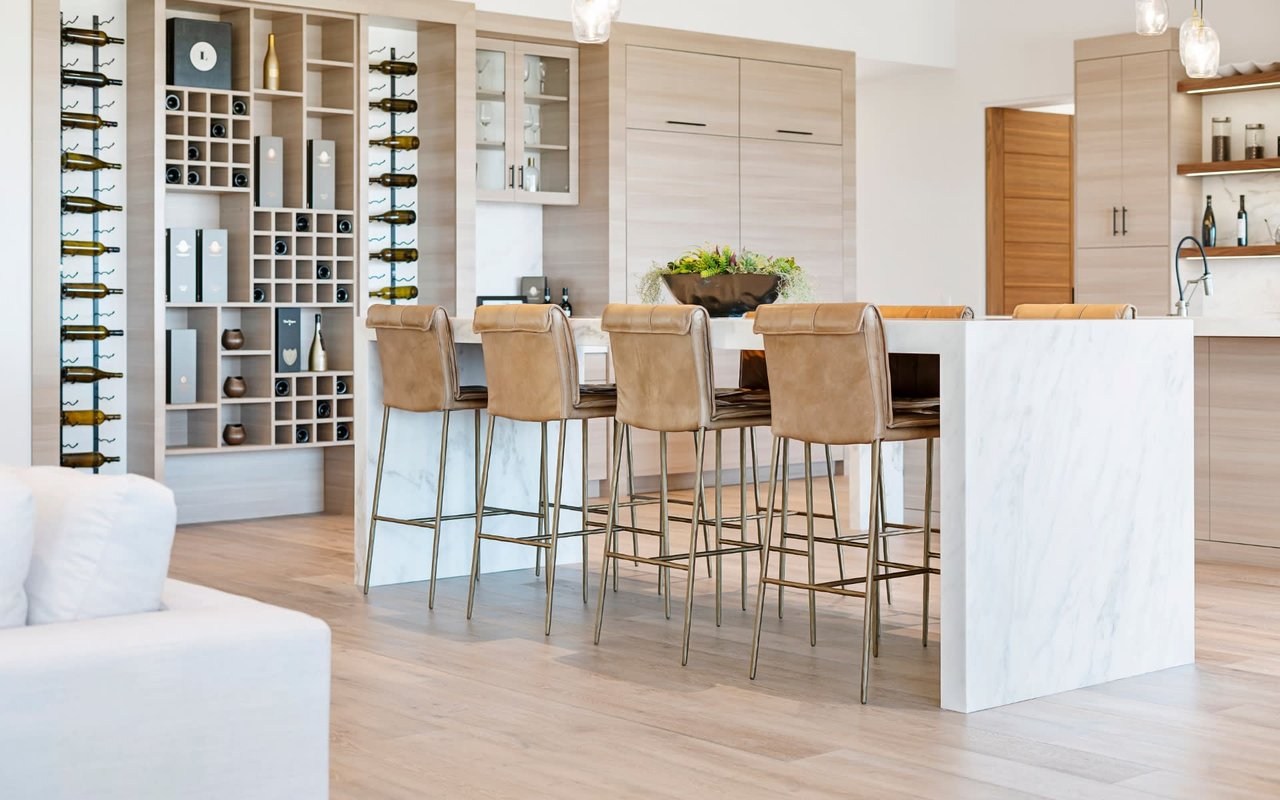
Wondering whether to choose a classic home or an updated one in La Grange Park? You are not alone. In a village where much of the housing stock was built decades ago, this decision often comes down to balancing charm, condition, budget, and peace of mind. If you understand where the real risks and real value live, you can make a much smarter move. Let’s dive in.
Why This Choice Matters in La Grange Park
La Grange Park is a market where the classic-versus-updated question comes up often for a reason. According to CMAP, 65.6% of the housing stock is detached single-family, and the median year built is 1956. In fact, 67.0% of homes were built between 1940 and 1969, and another 14.1% were built before 1940.
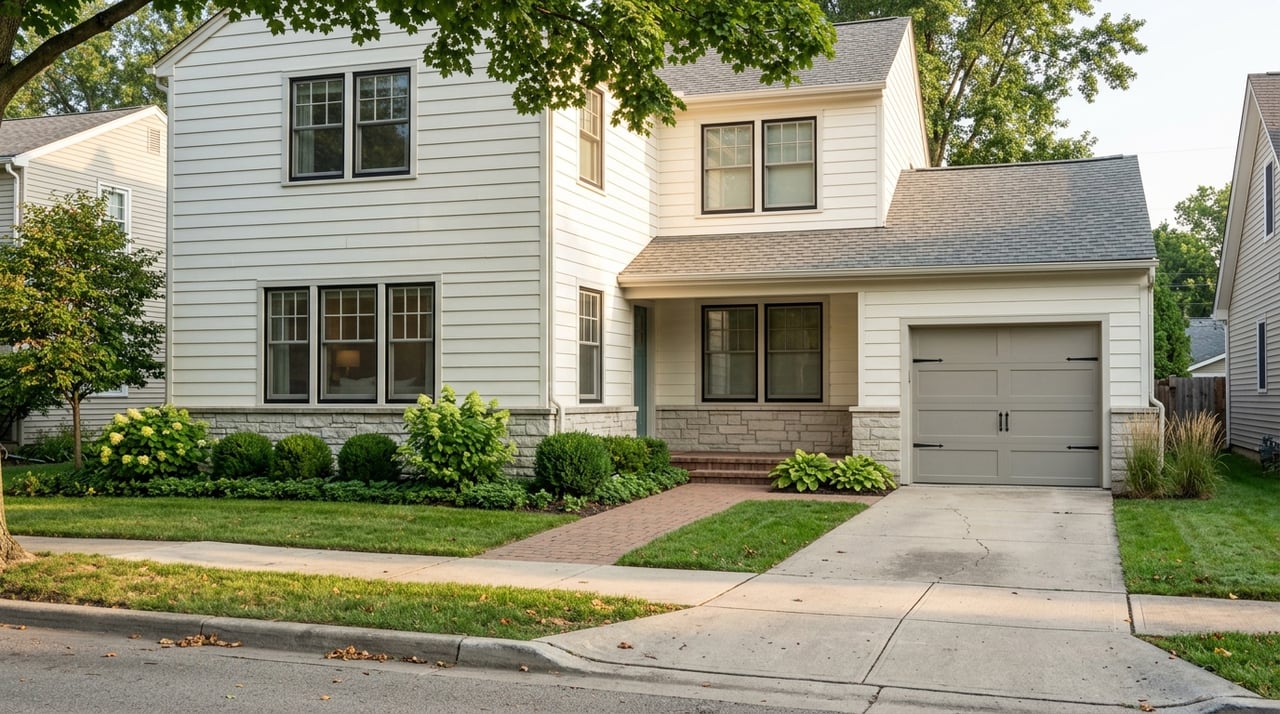
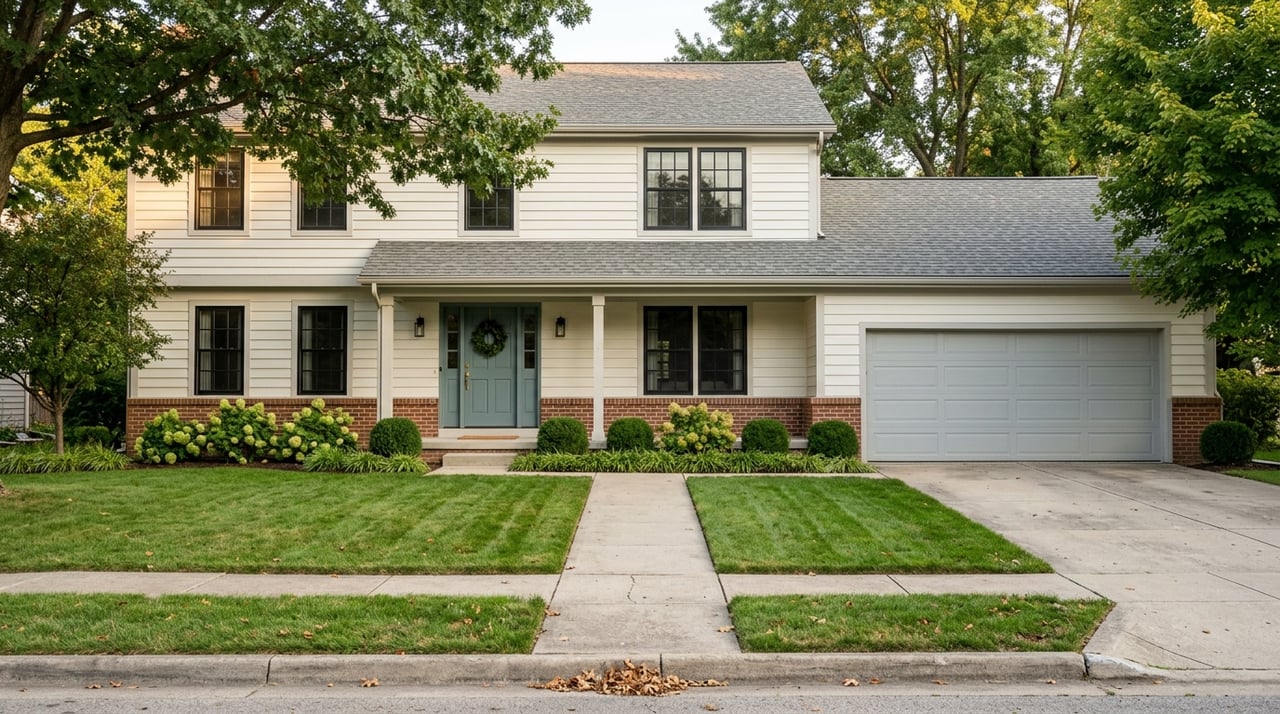
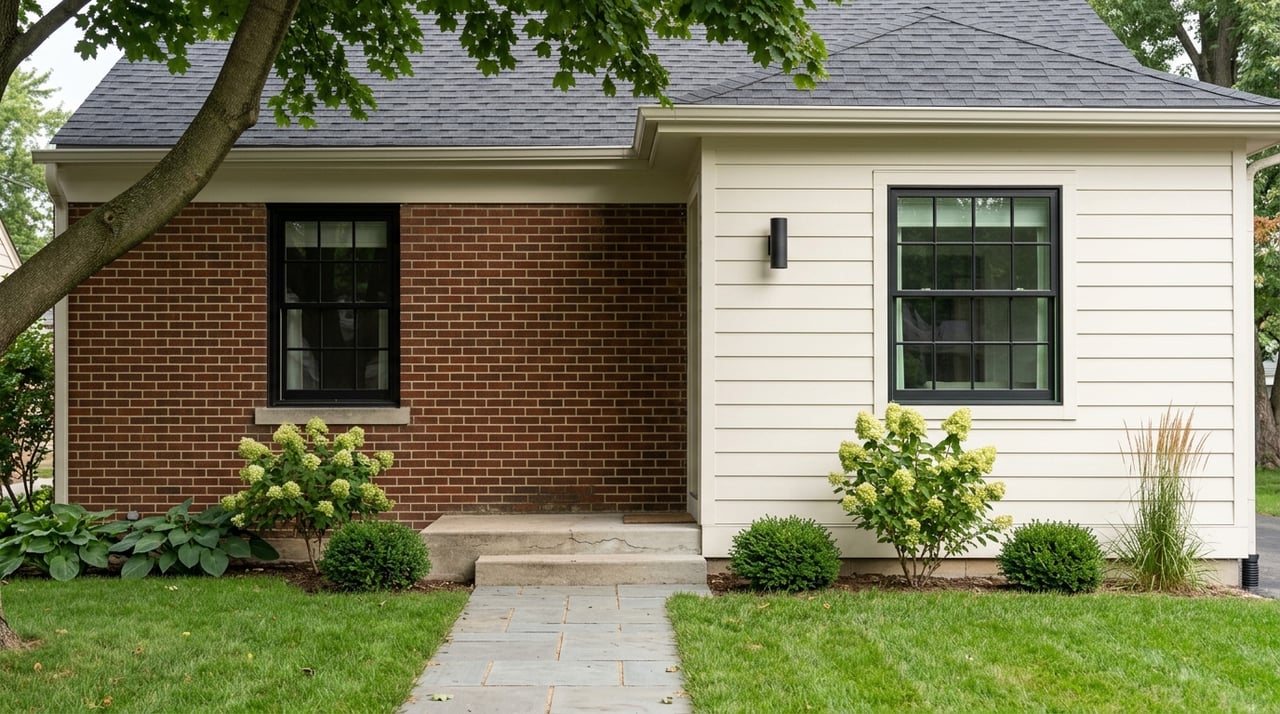
That means truly newer construction is limited. Only 3.1% of homes were built in 2010 or later, and 3.4% were built between 1990 and 2009. So when you shop in La Grange Park, you are usually not deciding between old and new construction. You are more often deciding between a classic home with varying levels of updates and an older home that has already been renovated or expanded.
That distinction matters because each path comes with a different kind of risk. A classic home may offer character and a lower entry price, but it can bring more unknowns around systems, maintenance, and testing. An updated home may reduce your immediate to-do list, but you still need to confirm that the work was done properly and with the right permits.
What a Classic Home Can Offer
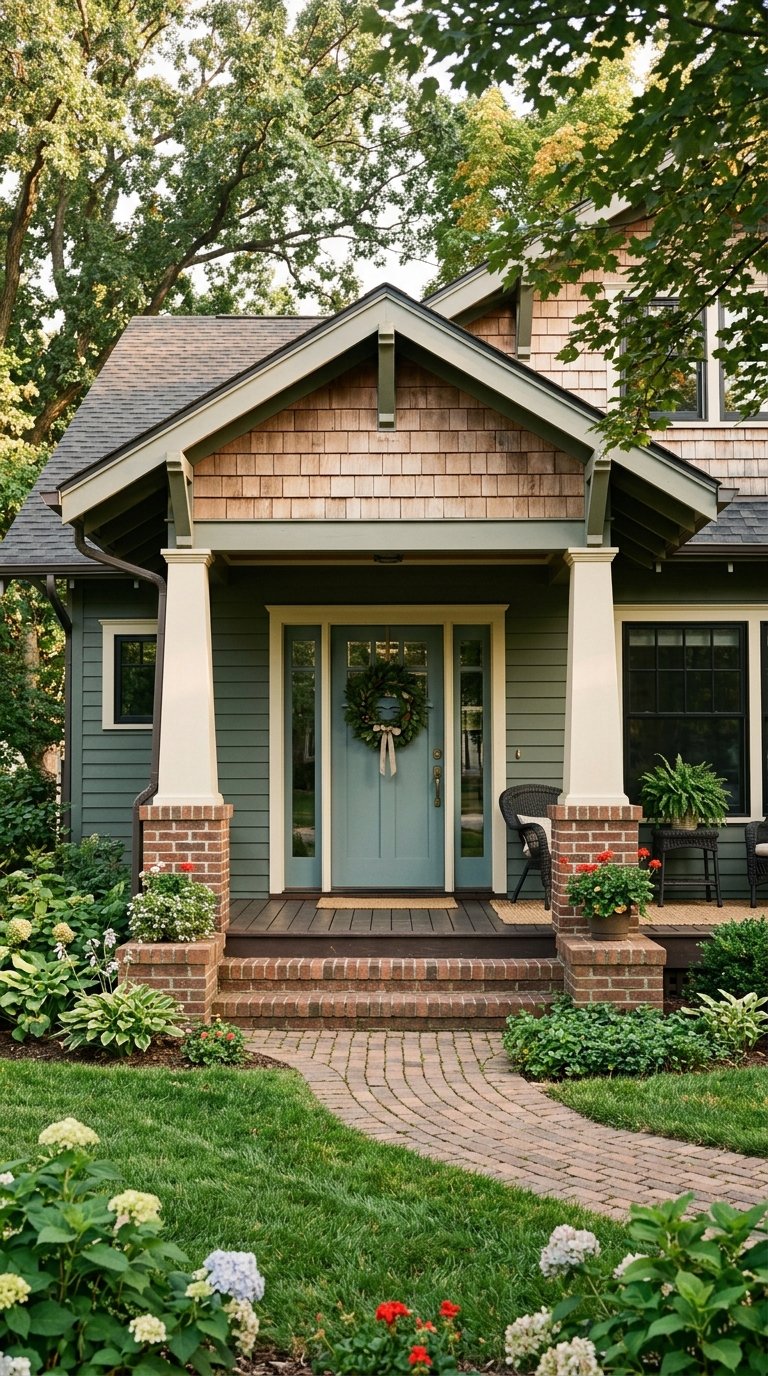
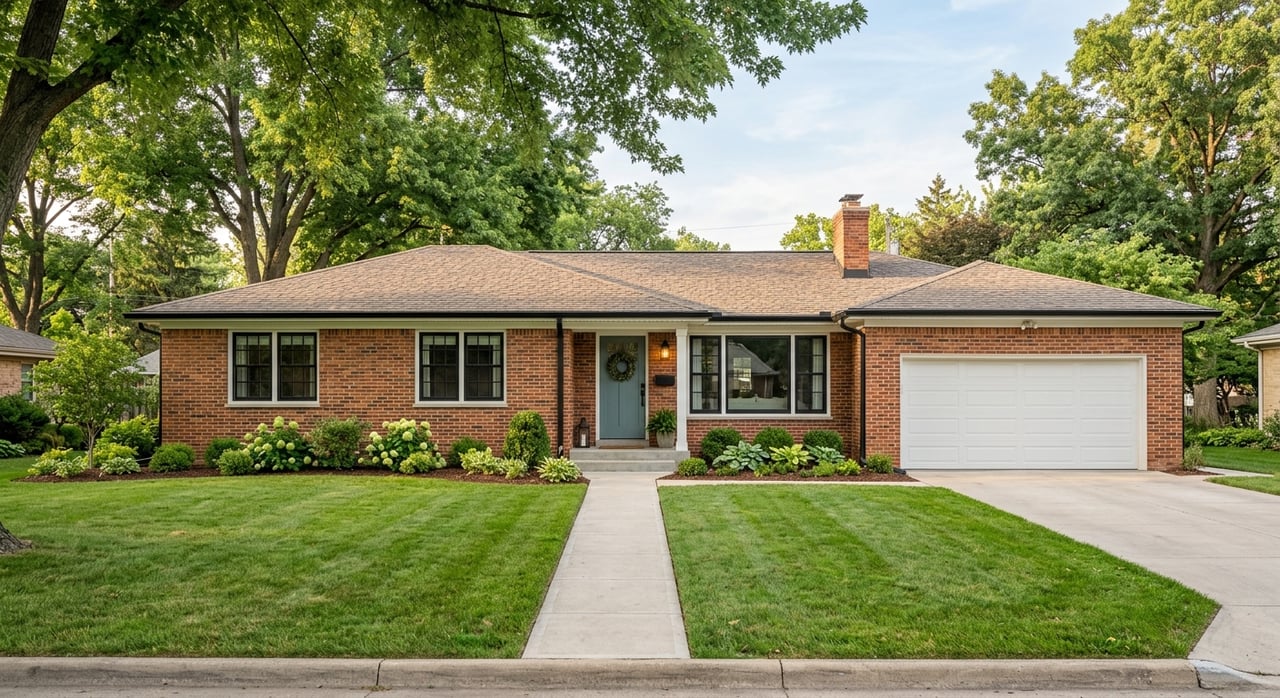
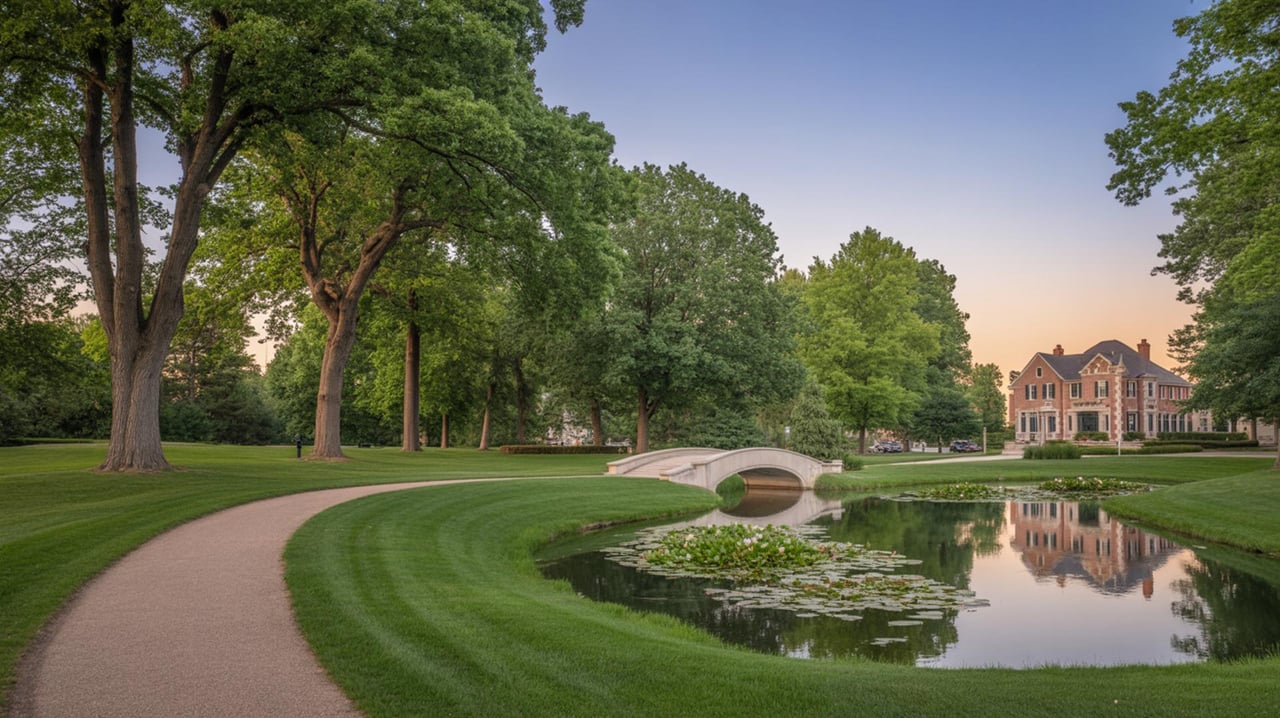
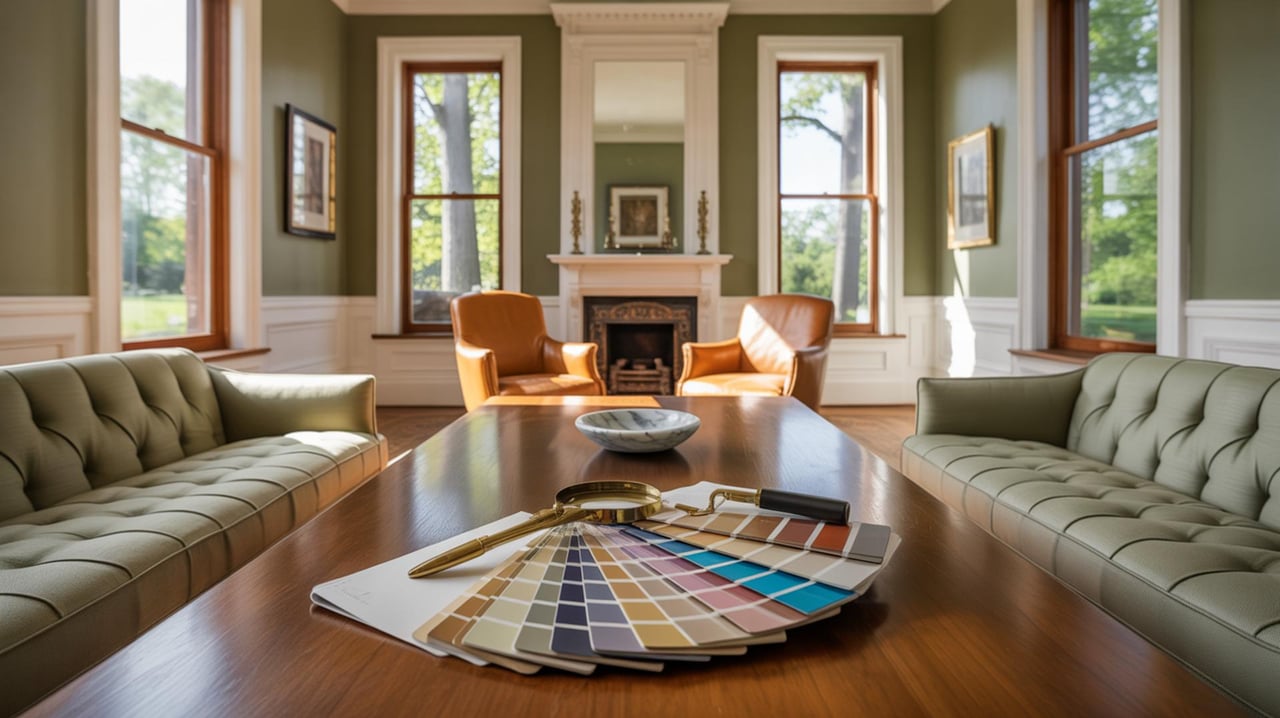
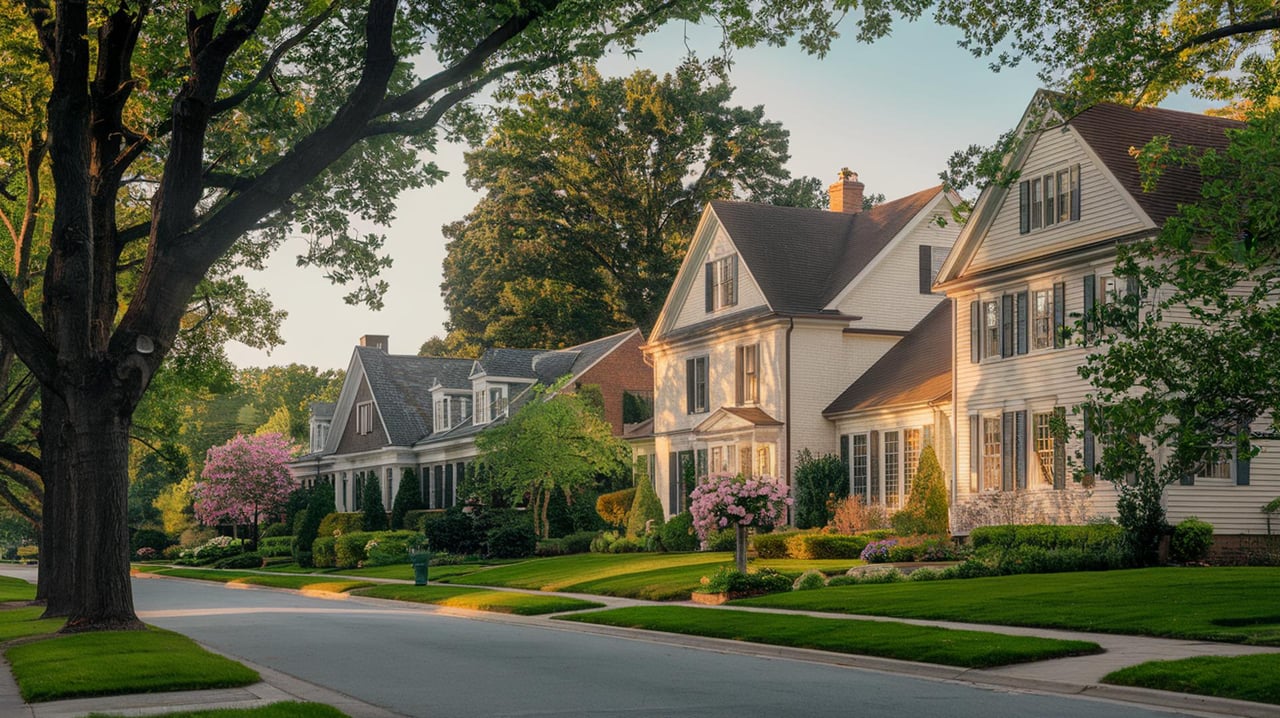
Classic homes in La Grange Park often appeal to buyers who value original design, established streetscapes, and the chance to make a home their own over time. In many cases, they can also offer more room for personalization because you are not paying as much for someone else’s finish choices.
In this market, a classic home can be a strong value when the house has been well maintained, even if it is not fully renovated. If the major systems are in solid shape, the layout works for your needs, and you are comfortable making improvements in stages, a classic home may give you more flexibility.
This option can also make sense if you want to prioritize location and lot over polished finishes. Since La Grange Park is heavily owner-occupied at 72.2%, many buyers are looking for a long-term fit, and that can make a classic home worth the effort if the fundamentals are strong.
What to Scrutinize in a Classic Home
With a median build year of 1956, inspections matter more than surface appeal. In older homes, the biggest questions are usually not about style. They are about the renovation and maintenance baseline.
You will want to focus on:
- Roof condition
- Foundation and moisture issues
- Plumbing
- Electrical systems
- HVAC performance
- Insulation
- Air sealing
A home energy assessment can also be useful. The U.S. Department of Energy says it can help reveal opportunities tied to energy use, comfort, and safety, which is especially helpful in homes that may still have older insulation or more air leakage.
Lead-based paint is another important consideration. EPA estimates that 87% of homes built before 1940 and 24% of homes built between 1960 and 1978 contain some lead-based paint. Since many homes in La Grange Park were built before 1978, you should ask lead-safe renovation questions and review the required lead information before signing on most pre-1978 housing.
Radon deserves attention too, especially if you want to use the basement as living space. The CDC says testing is the only way to know whether a home has high radon levels, and it recommends testing when buying or selling, as well as before and after renovations. EPA recommends mitigation at 4 pCi/L or above.
What an Updated Home Can Offer
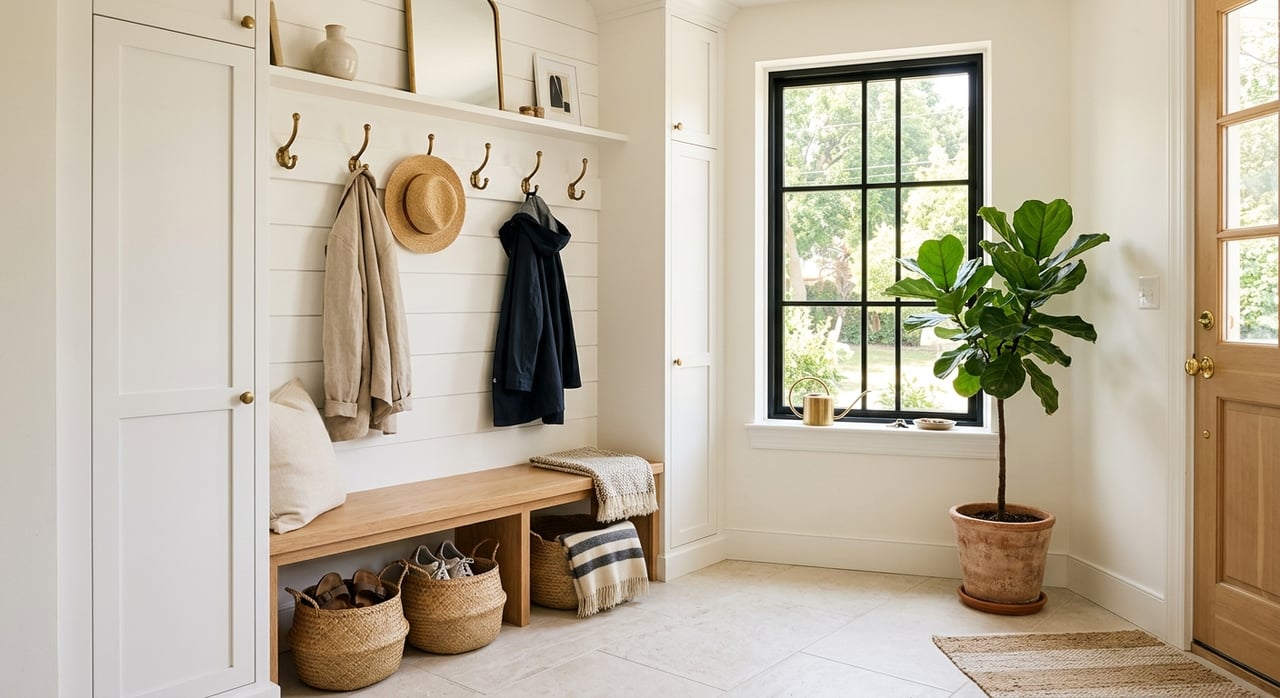
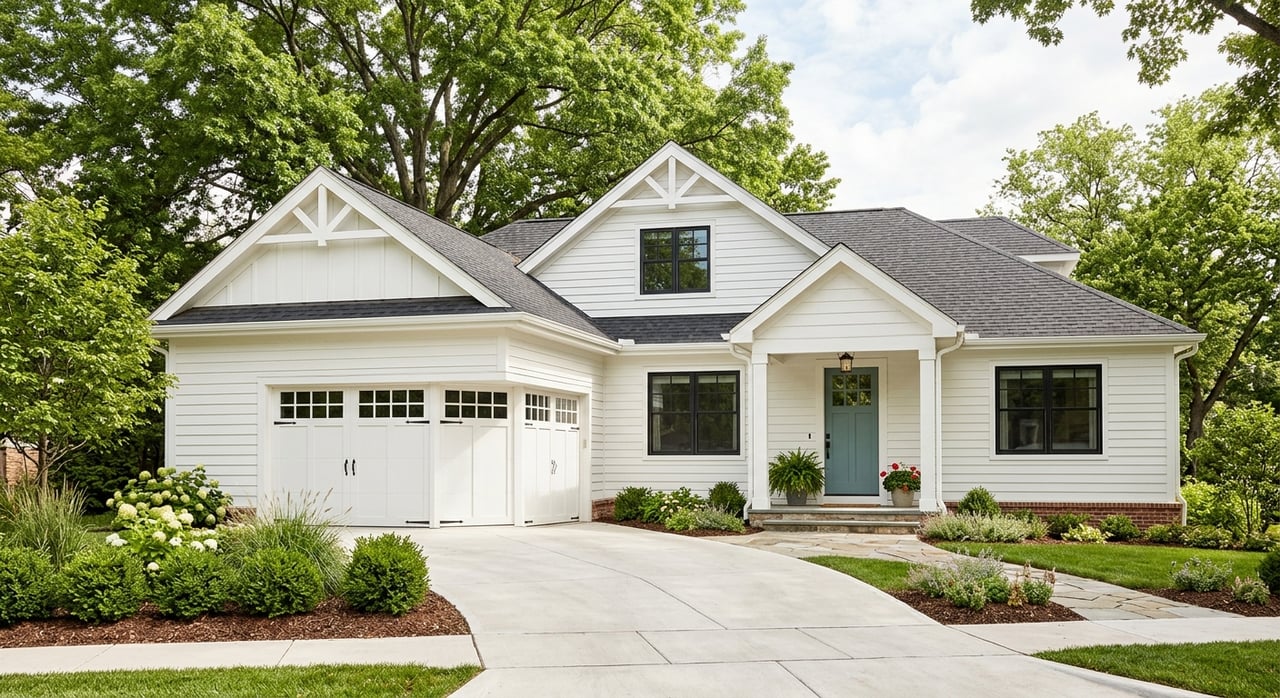
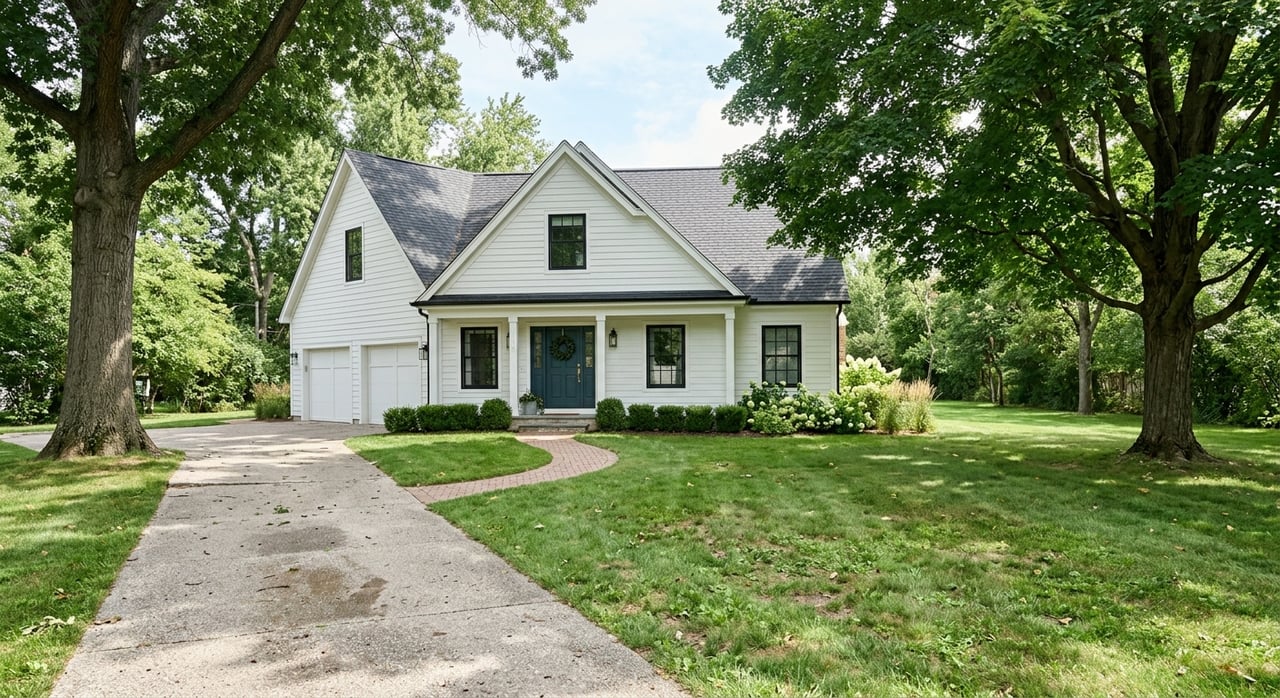
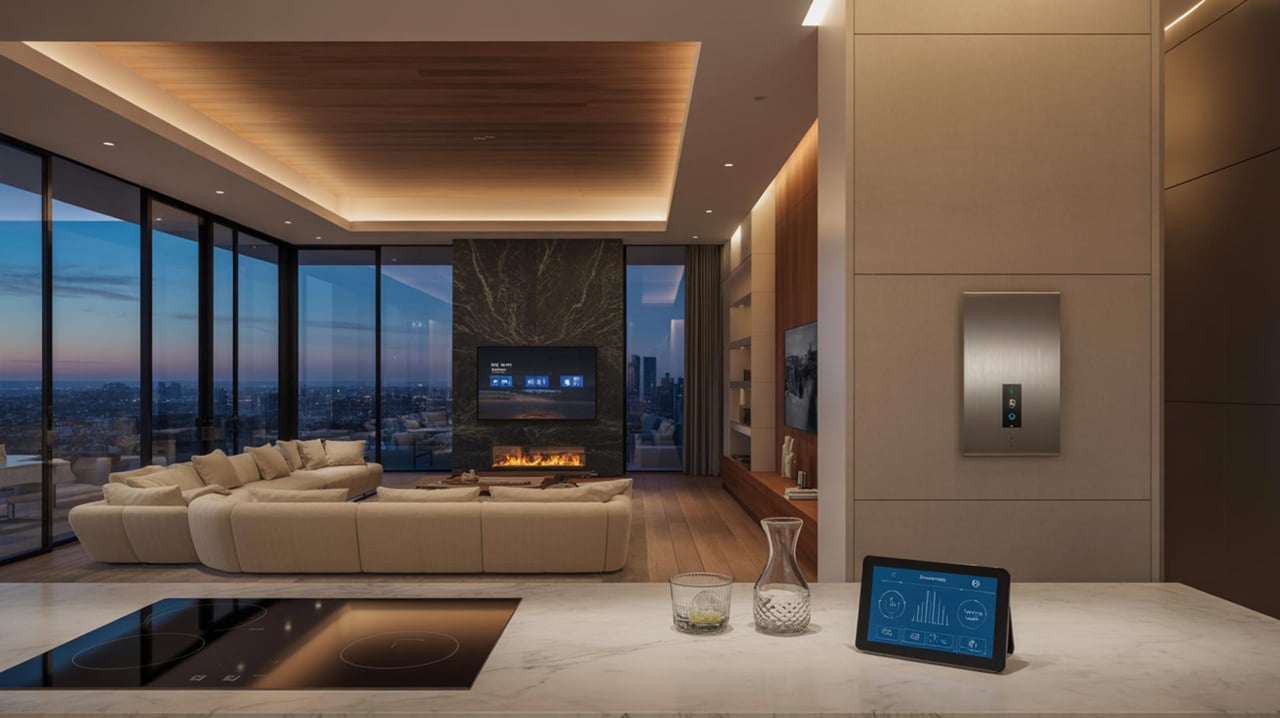
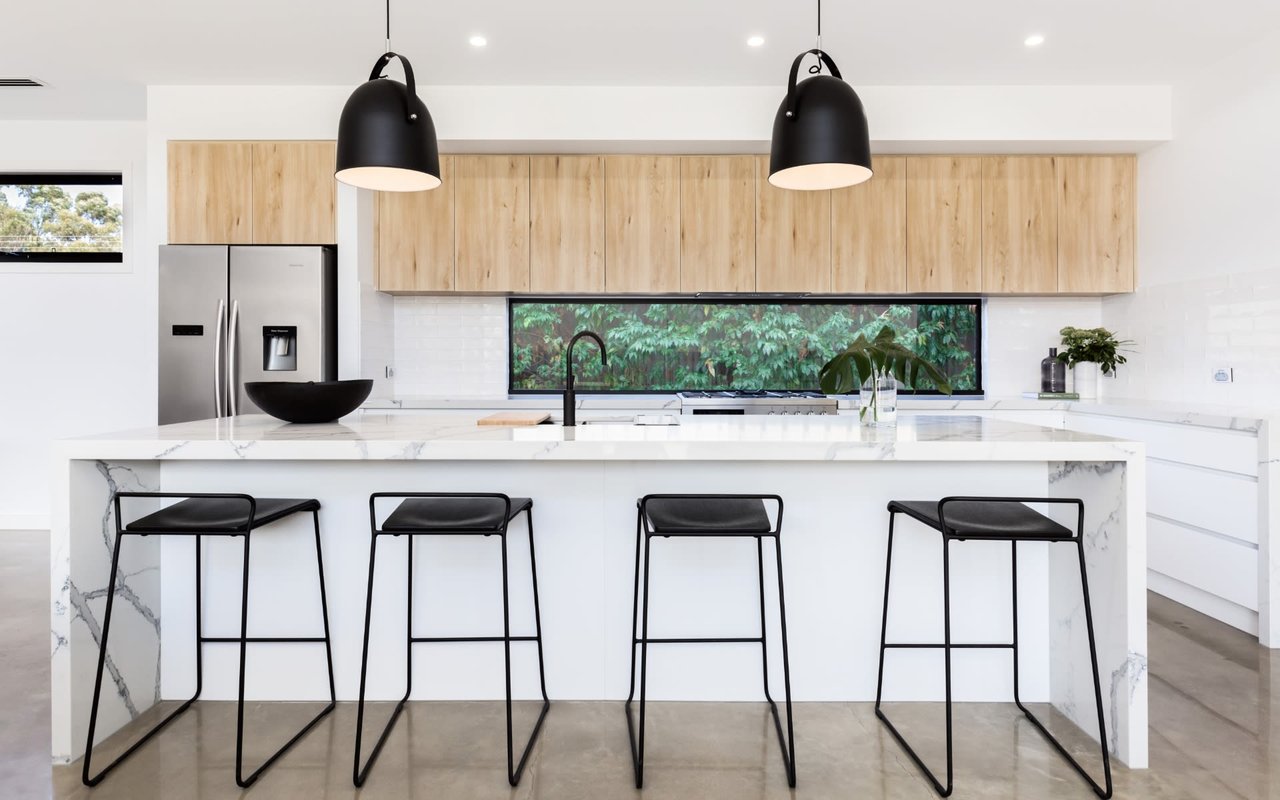
An updated or expanded home can be a great fit if you want a more predictable move. You may avoid the first-year repair cycle that can come with older, less improved homes, and you may benefit from better comfort and efficiency if the updates included real system improvements.
This matters in a market where pricing sits in the low-to-mid $500,000s by recent estimates. With Redfin reporting a May 2026 median sale price of $508,945, Zillow showing an average home value of $497,290 as of May 31, 2026, and Realtor.com showing a median listing price around $527,800, buyers often have to decide whether the move-in-ready premium is worth it.
In many cases, it is worth paying more for an updated home if the renovation improved the parts of the house you cannot easily see. Better insulation, sealed ductwork, updated electrical, improved plumbing, and newer HVAC equipment can all reduce future surprises.
Cosmetic Updates Versus Meaningful Updates
Not all renovations are equal. A home can photograph beautifully and still leave you with expensive work later.
When you evaluate an updated home, try to separate cosmetic updates from system updates.
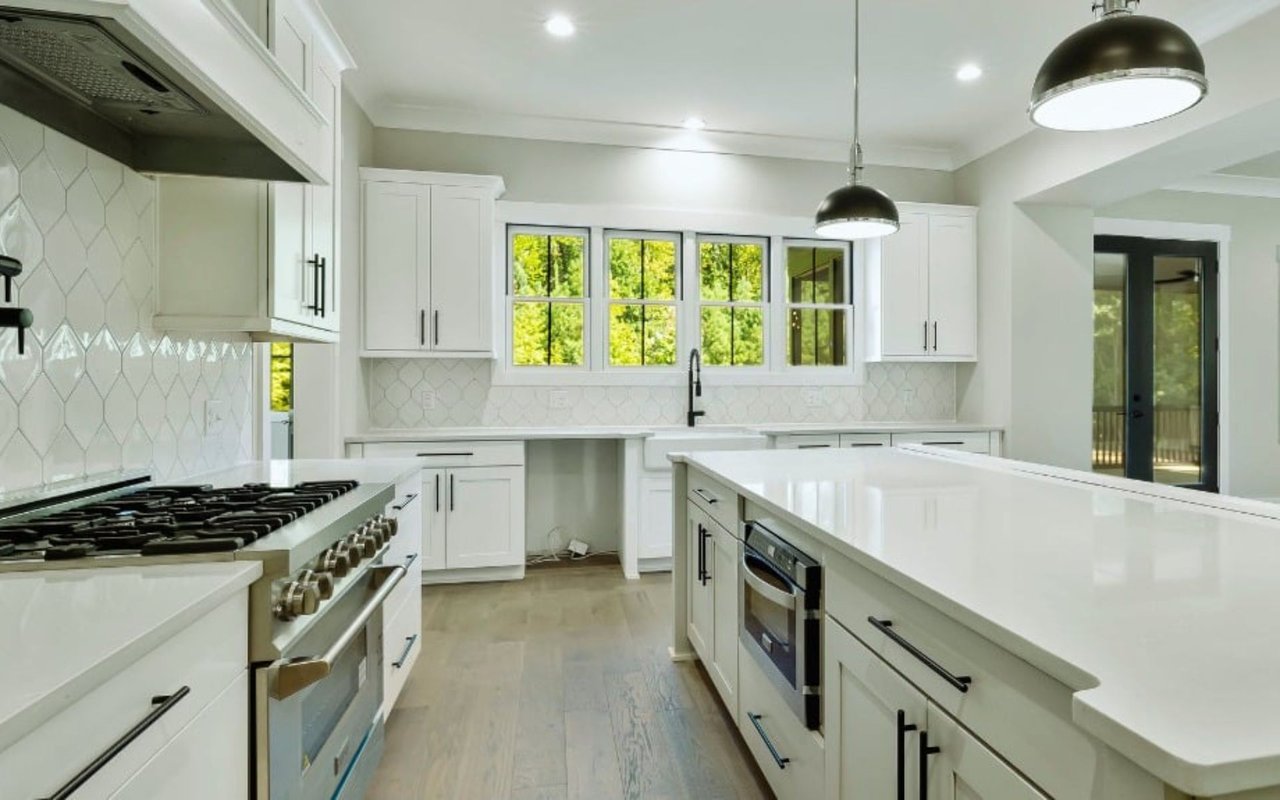
Cosmetic updates often include:
- Paint
- Light fixtures
- Cabinet hardware
- Flooring
- Backsplashes
- Countertops
More meaningful updates often include:
- Electrical improvements
- Plumbing replacement
- Roof replacement
- HVAC replacement
- Insulation upgrades
- Air sealing
- Window replacement
- Basement waterproofing or moisture control
Energy performance is one area where good updates can have a long-term payoff. ENERGY STAR says sealing air leaks and adding insulation can save up to 10% on annual energy bills. EPA estimates a typical home can save an average of 15% on heating and cooling costs from air sealing and insulation in key areas. ENERGY STAR also notes that duct leaks can waste 20% to 30% of conditioned air in a typical house.
That means a renovation that improved efficiency may help with monthly ownership costs, not just appearance. But weatherization should still be paired with indoor air quality protections, so it is smart to ask how the work was approached.
Why Permit History Matters
In La Grange Park, permit history is a major part of the updated-home conversation. If a seller says a home was remodeled, expanded, or had a finished basement added, you should ask what kind of work was done and whether permits were required and completed.
The Village of La Grange Park states that most remodeling projects involving habitable space require a permit. Exceptions include projects like painting, carpeting, tile, paneling, and drywall repairs. The village also requires permit applications to include survey and site information, and more substantial work may require architect- or engineer-sealed plans.
Residential permits are valid for one year. The village also states that contractors must have current licensing and registrations before the Building Department releases a permit.
For additions and larger hardscape work, there is another layer to review. If a new structure, driveway, patio, or other non-permeable improvement adds more than 250 square feet of ground coverage, a stormwater management plan is required.
So if you are looking at an expanded kitchen, a finished basement, an addition, or a larger outdoor improvement, ask questions that go beyond finishes:
- Was the work permitted?
- Who completed the work?
- Were licensed contractors used where required?
- Were plans needed for the project?
- Was the permit process completed and closed out properly?
How to Compare Budget Tradeoffs
For many buyers, this decision comes down to budget. Do you pay more upfront for a move-in-ready home, or do you buy a classic home and plan for updates after closing?
There is no one right answer, but the tradeoff is usually clearer when you think in terms of certainty. An updated home may cost more at purchase, but if the renovation was well executed, you may gain predictability. A classic home may cost less at closing, but you need room in your budget for repairs, testing, and phased improvements.
That matters in La Grange Park because CMAP estimates that a median-income family spends 33% of income on housing costs and 51% on combined housing and transportation costs. With a mean commute of 29.0 minutes and many households balancing commuting, work-from-home needs, and long-term ownership goals, unplanned repair costs can have a real impact.
A practical way to frame it is this:
| Home Type | Main Value | Main Risk |
|---|---|---|
| Classic home | Lower upfront premium and more personalization potential | Deferred maintenance, lead concerns, radon, and efficiency upgrades |
| Updated home | Fewer immediate projects and potentially better efficiency | Permit history, workmanship quality, and paying for cosmetic work that did not improve systems |
When a Classic Home May Be Better
A classic home may be the better choice if you are comfortable managing improvements over time. It can also make sense when the home has strong bones, a workable layout, and clear maintenance records.
You may lean classic if you want to:
- Stretch your purchase budget further
- Prioritize location, lot, or layout
- Choose your own finishes over time
- Take on improvements in phases
- Avoid paying a premium for renovations that are not your style
This route works best when you go in with clear expectations. A detailed inspection, radon testing, review of lead-related disclosures, and a realistic repair plan can help you buy with more confidence.
When an Updated Home May Be Better
An updated home may be the better fit if you want convenience and less uncertainty right after closing. It can also be a smart choice if the renovation addressed systems, energy performance, and moisture control instead of just visible surfaces.
You may lean updated if you want to:
- Move in with fewer immediate projects
- Reduce the chance of near-term repair surprises
- Improve comfort and efficiency from day one
- Use finished lower-level or added living space with more confidence
- Simplify your first year of ownership
The key is verifying the quality behind the finish. In La Grange Park, documentable renovation work is often part of the story, and that can help you tell the difference between a polished resale and a truly improved home.
A Smarter Way to Decide
In La Grange Park, the decision is rarely about whether old is better than updated. It is about understanding where the risk sits in each house.
In a classic home, risk often sits in deferred maintenance, lead concerns, radon testing, and future efficiency work. In an updated home, risk often sits in permit history, workmanship, and whether the renovation improved systems or only changed finishes.
If you compare homes through that lens, your decision gets easier. Instead of reacting to charm or shine alone, you can focus on value, predictability, and fit for your lifestyle.
If you are weighing classic versus updated in La Grange Park and want a local, data-driven perspective, LaBelleSells can help you compare options, spot the right questions early, and move forward with confidence.
FAQs
What makes choosing between classic and updated homes in La Grange Park different from other markets?
- La Grange Park has an older housing stock, with a median year built of 1956 and limited newer construction, so buyers are often comparing varying levels of renovation rather than true new-versus-old options.
What should you inspect first in a classic home in La Grange Park?
- Focus on roof, foundation and moisture, plumbing, electrical, HVAC, insulation, air sealing, radon testing, and lead-related disclosures for most pre-1978 homes.
What updates matter most in an updated La Grange Park home?
- System updates such as electrical, plumbing, HVAC, insulation, air sealing, and moisture control usually matter more than cosmetic finishes alone.
How can you tell if a remodeled home in La Grange Park was properly permitted?
- Ask whether the work involved habitable space, who completed it, whether permits were required, and whether the permit process was completed and closed out according to village requirements.
When is a classic home in La Grange Park a better value?
- A classic home can be a better value when it has strong fundamentals, a realistic repair path, and a purchase price that leaves room for improvements over time.
When is an updated home in La Grange Park worth the premium?
- An updated home is often worth the premium when the renovation improved major systems, energy performance, and usable living space, not just the visible finishes.