If your weekday routine depends on Metra, where you live in Clarendon Hills can shape everything from your morning stress level to your long-term budget. A true walk-to-train home can make daily life simpler, but it also comes with tradeoffs around price, parking, lot size, and train activity. If you are trying to decide whether in-town Clarendon Hills is the right fit, this guide will help you understand what to expect and what to ask before you tour. Let’s dive in.
What walk-to-train means here
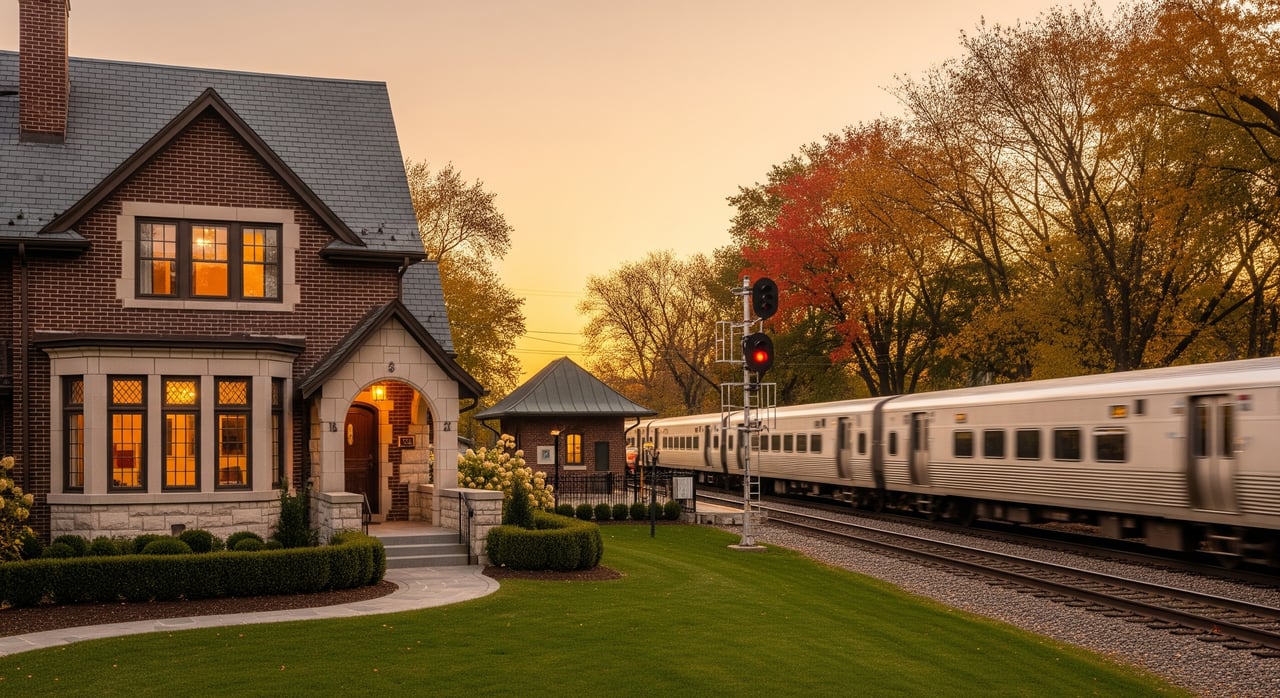
In Clarendon Hills, walk-to-train usually means living near the Clarendon Hills Metra station at 1 South Prospect Avenue on the BNSF line in fare Zone 3. This is not just a station with a platform and parking lot. It sits within an active downtown core that the village has continued to improve, including railroad-crossing and station-area updates completed in Fall 2022.
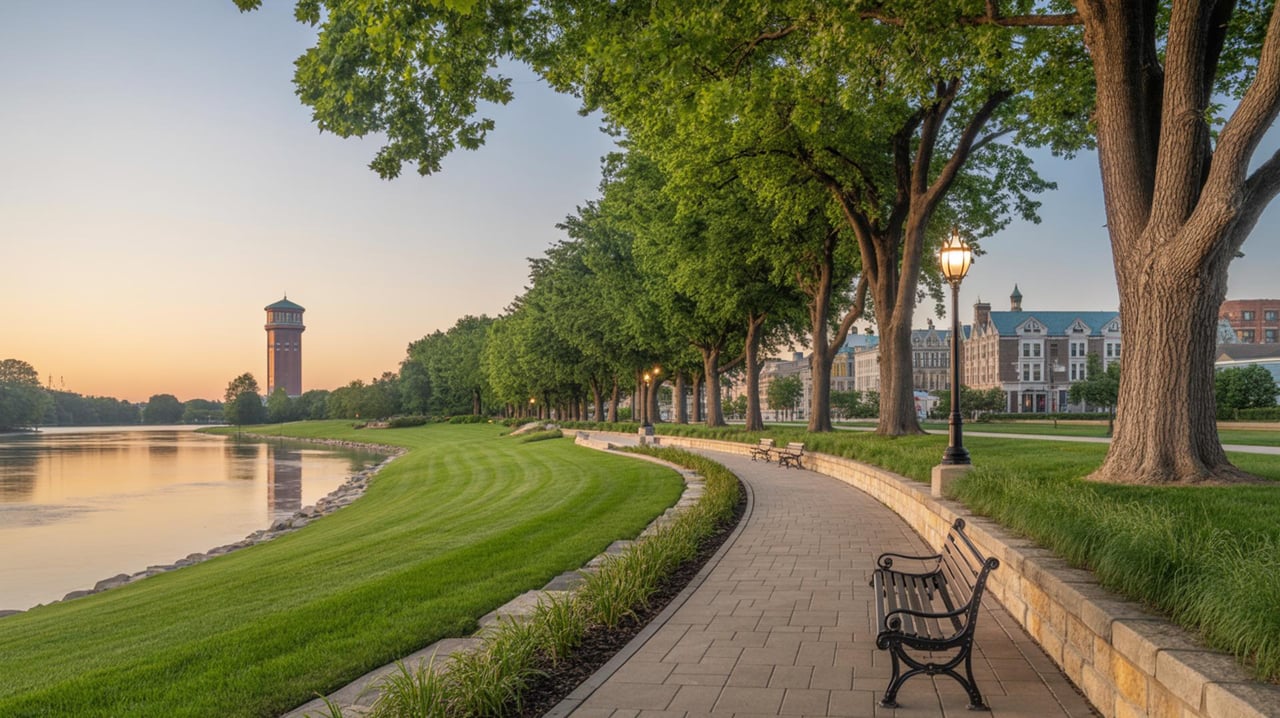
That matters because your experience is about more than the train ride itself. When you buy near the station, you are also buying into a pedestrian-oriented downtown setting with regular commuter movement, local parking rules, and a more active street pattern than you may find deeper in a residential area. For many buyers, that is exactly the appeal.
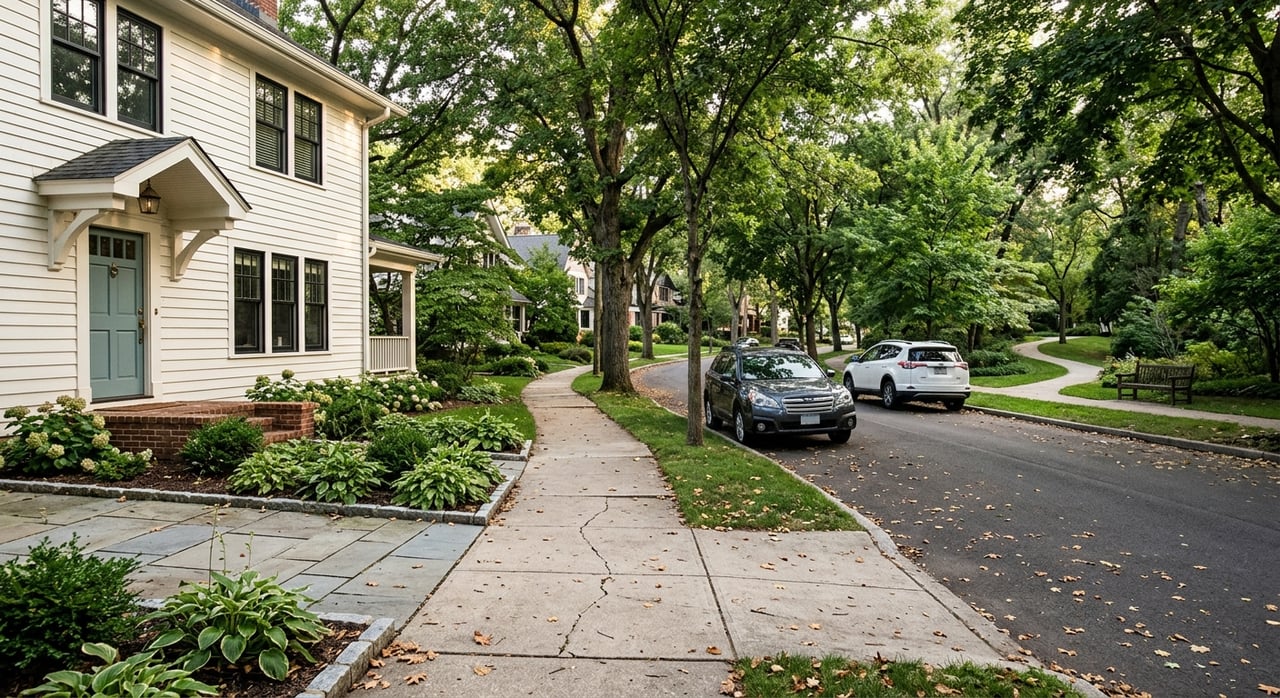
The village’s downtown design guidelines also reinforce a traditional, pedestrian-scale feel. In practical terms, that helps explain why the area often blends older homes, updated properties, and newer attached housing rather than feeling like a single-style development.
Near-station homes buyers will find
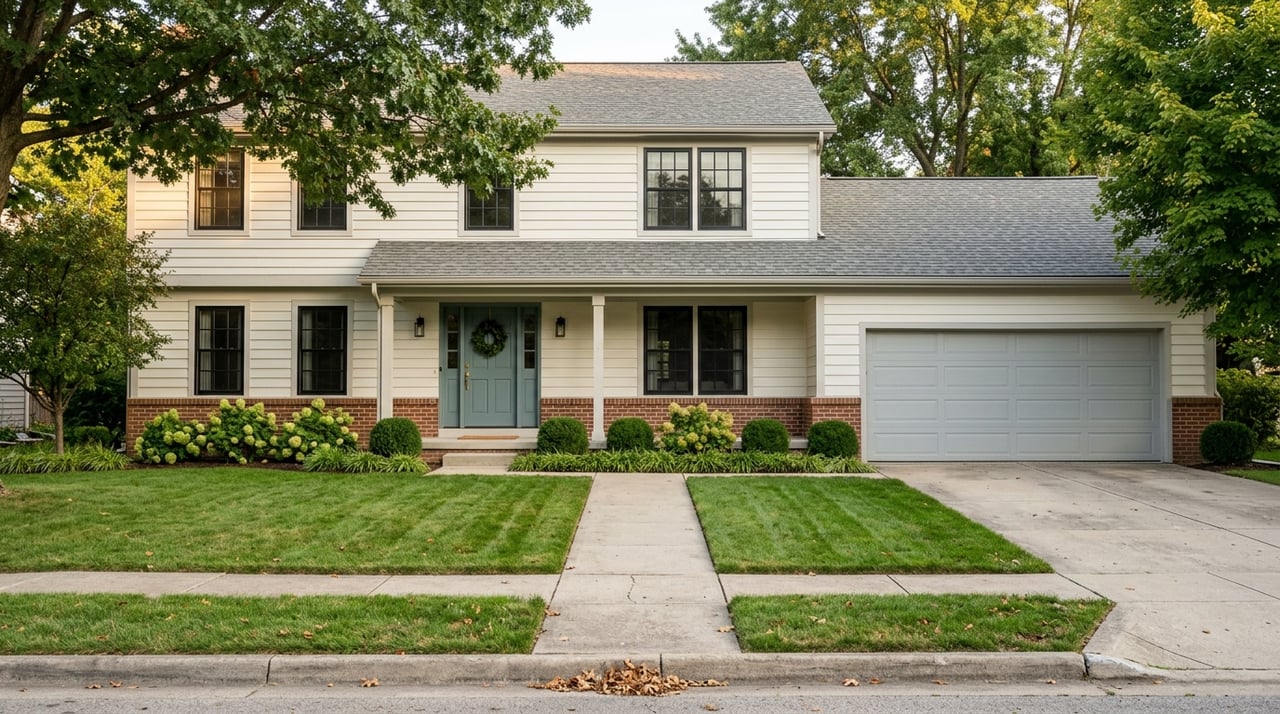
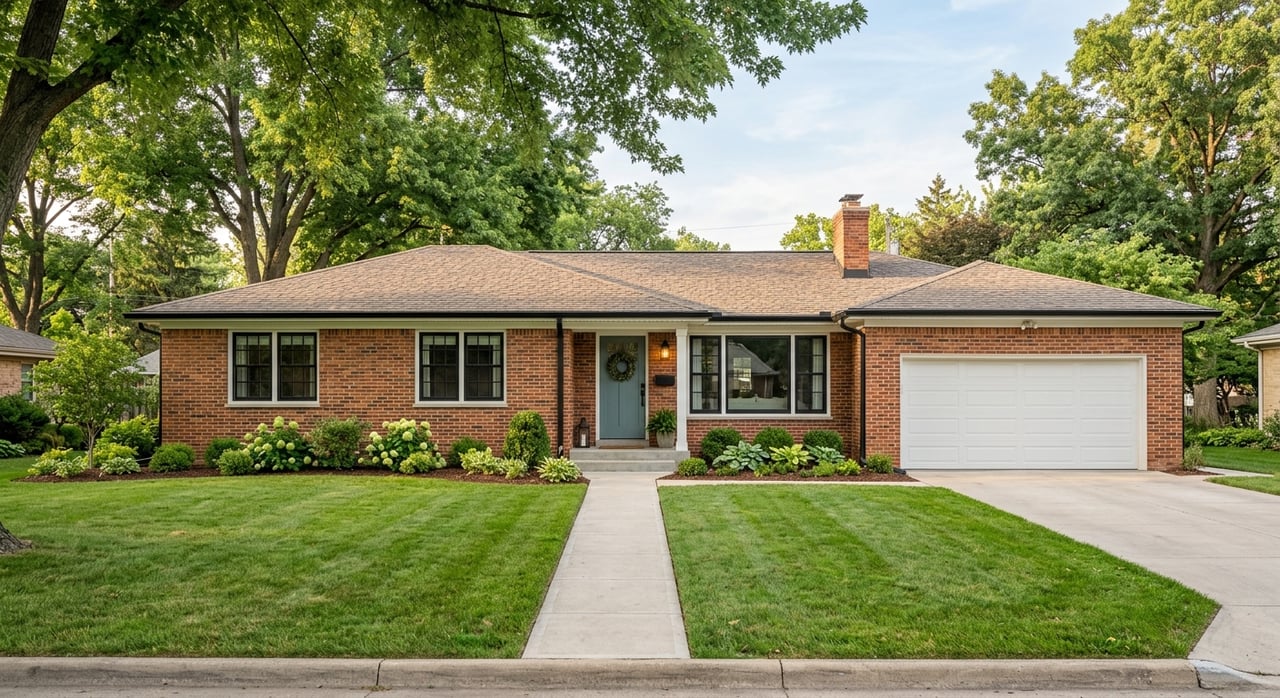
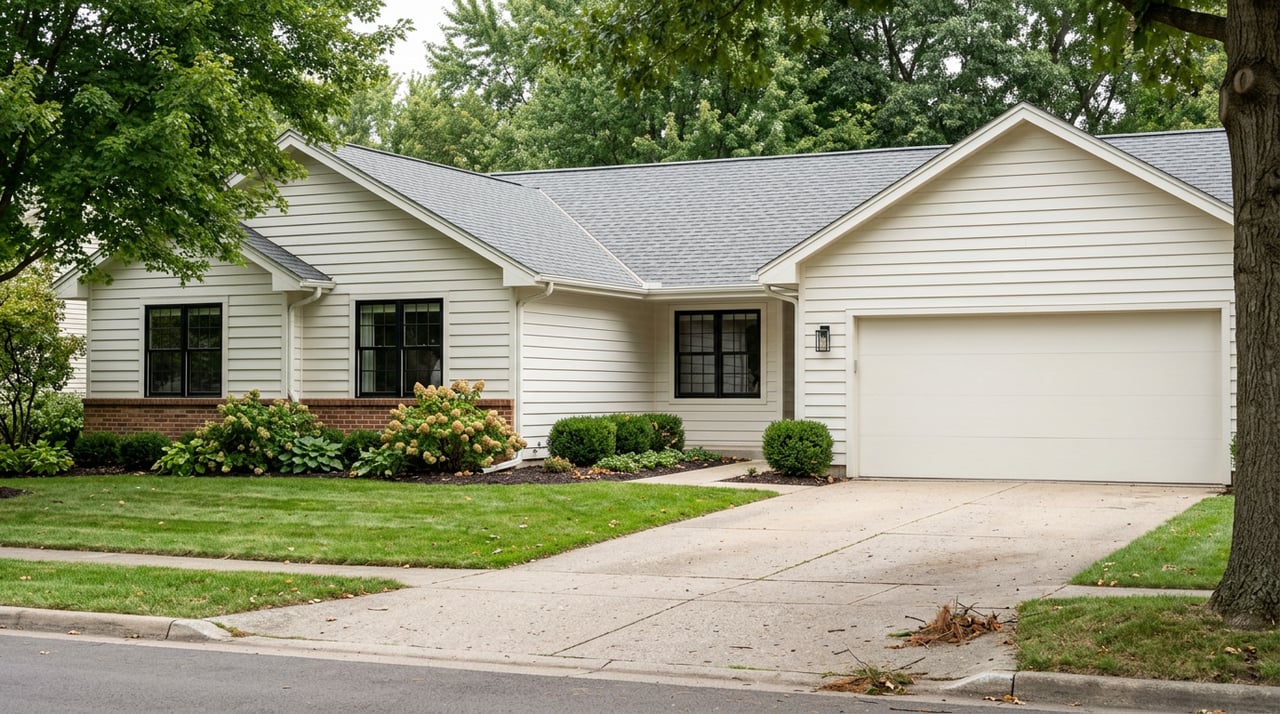
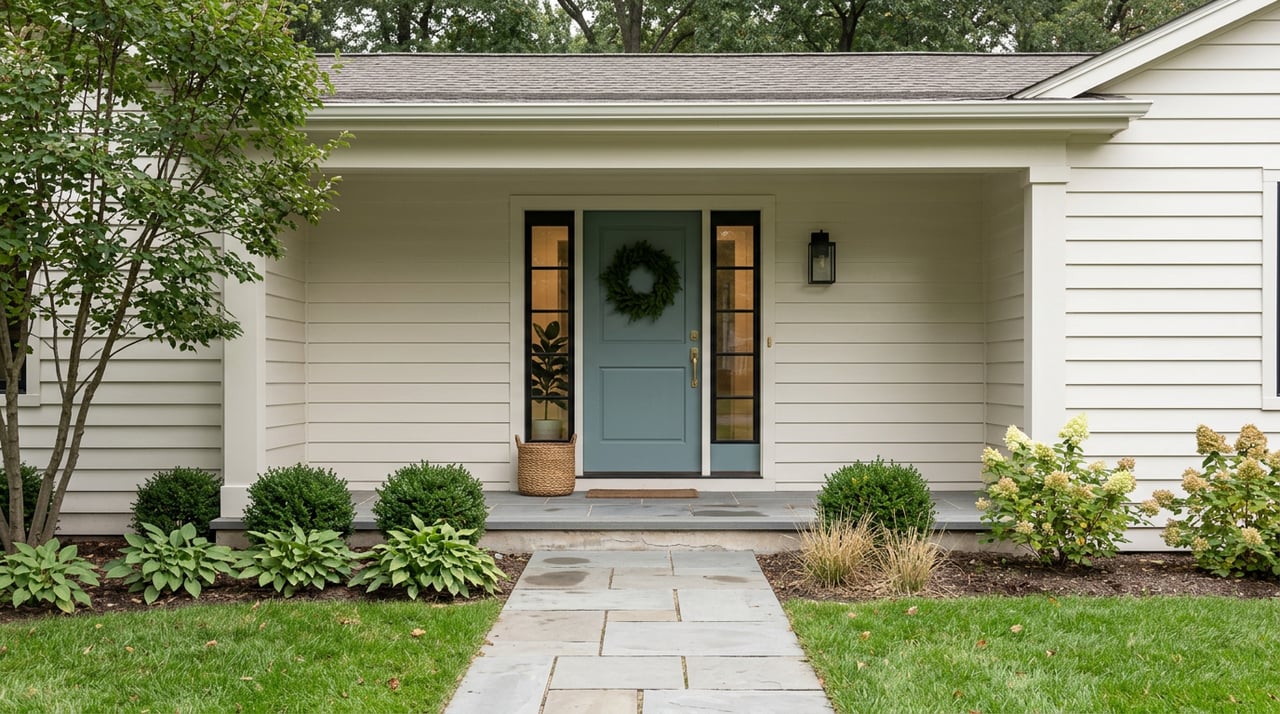
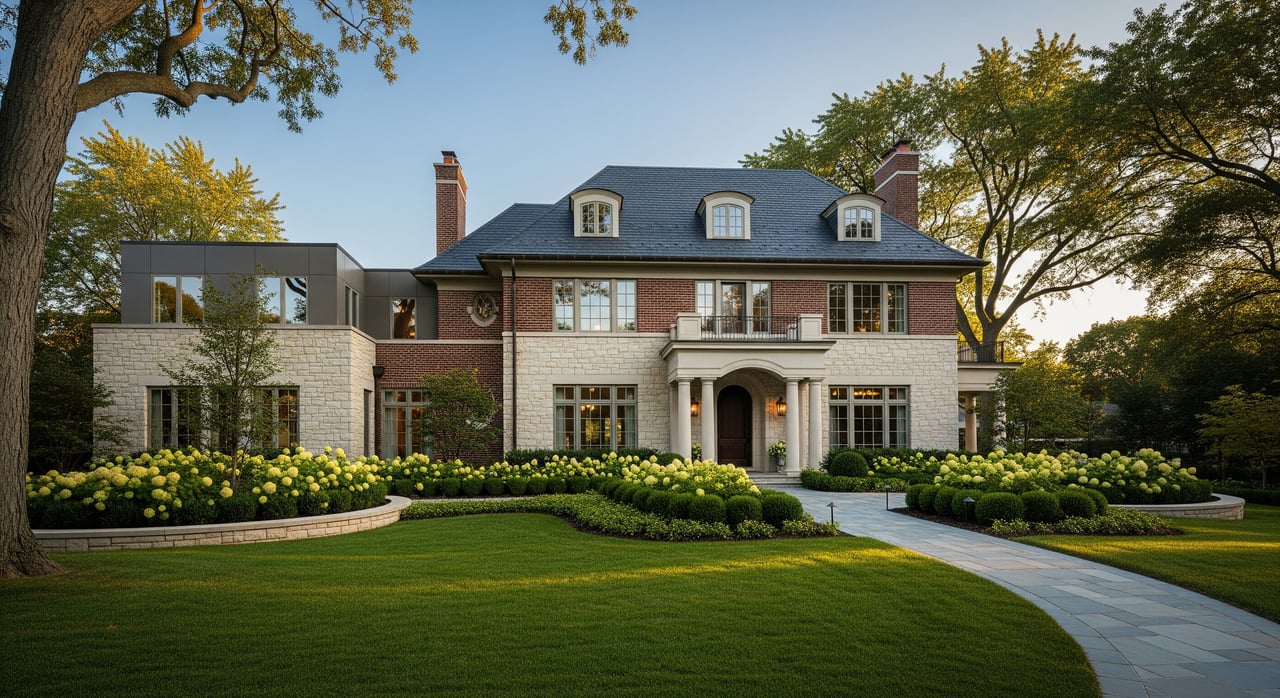
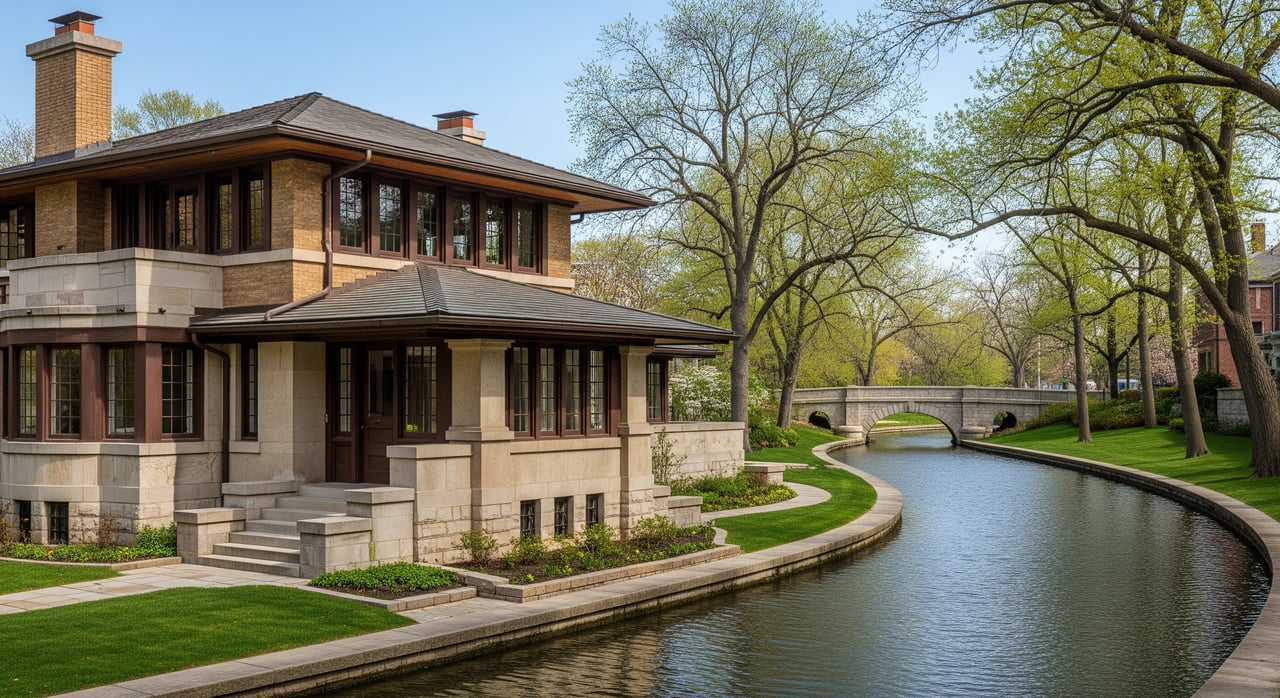
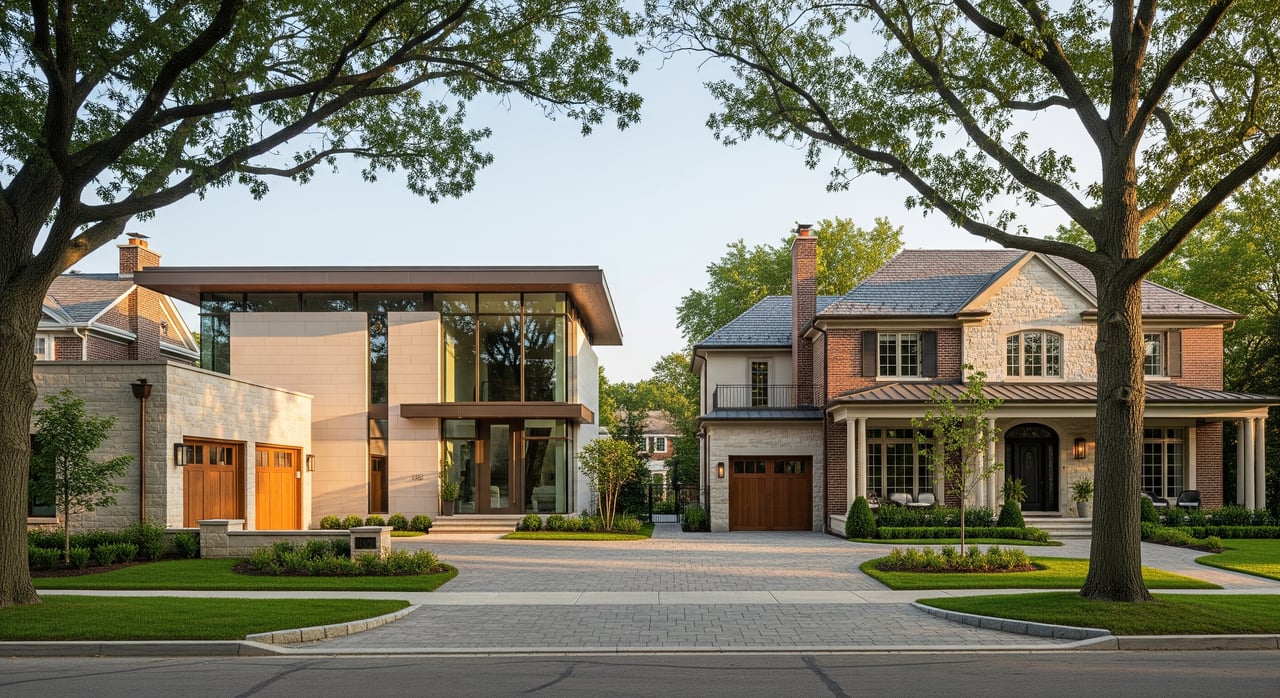
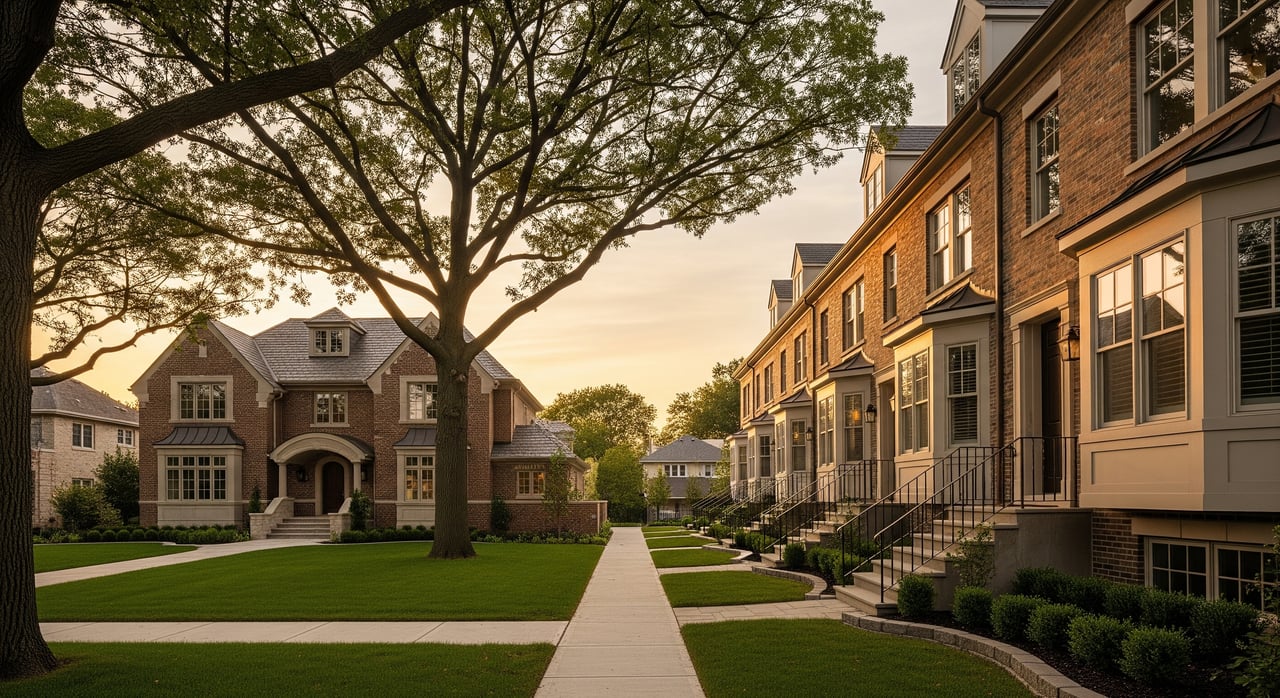
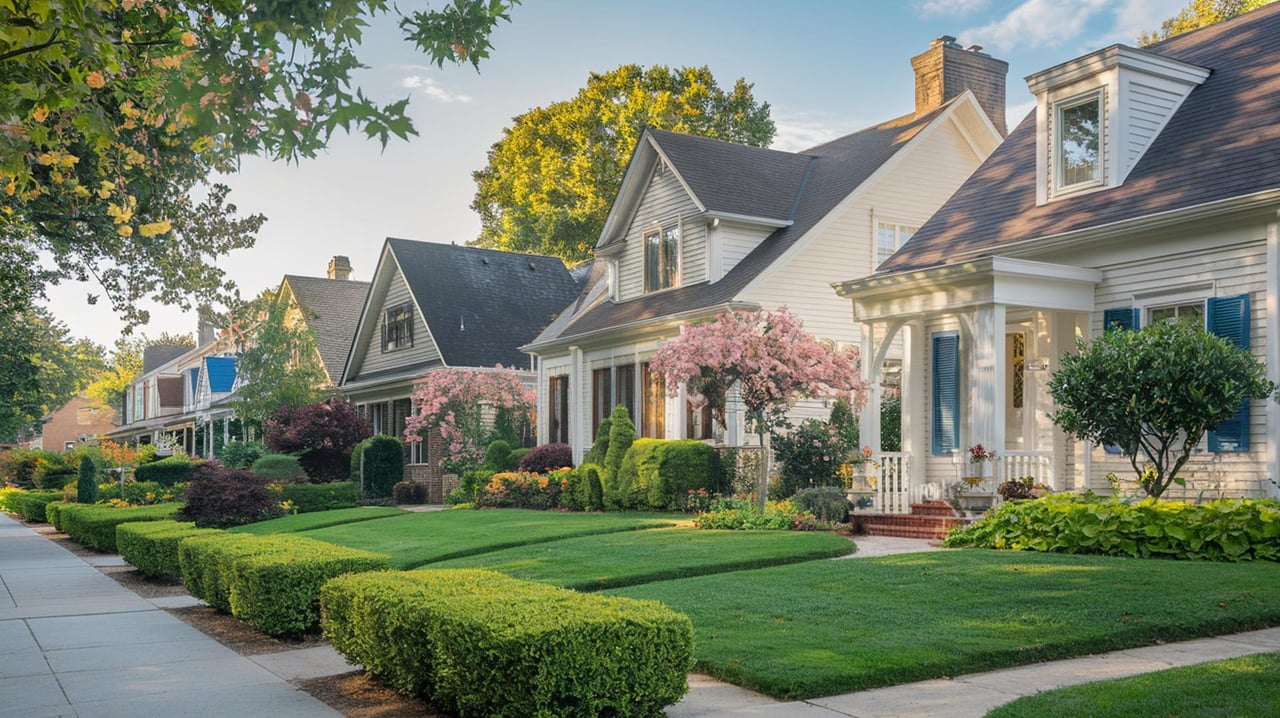
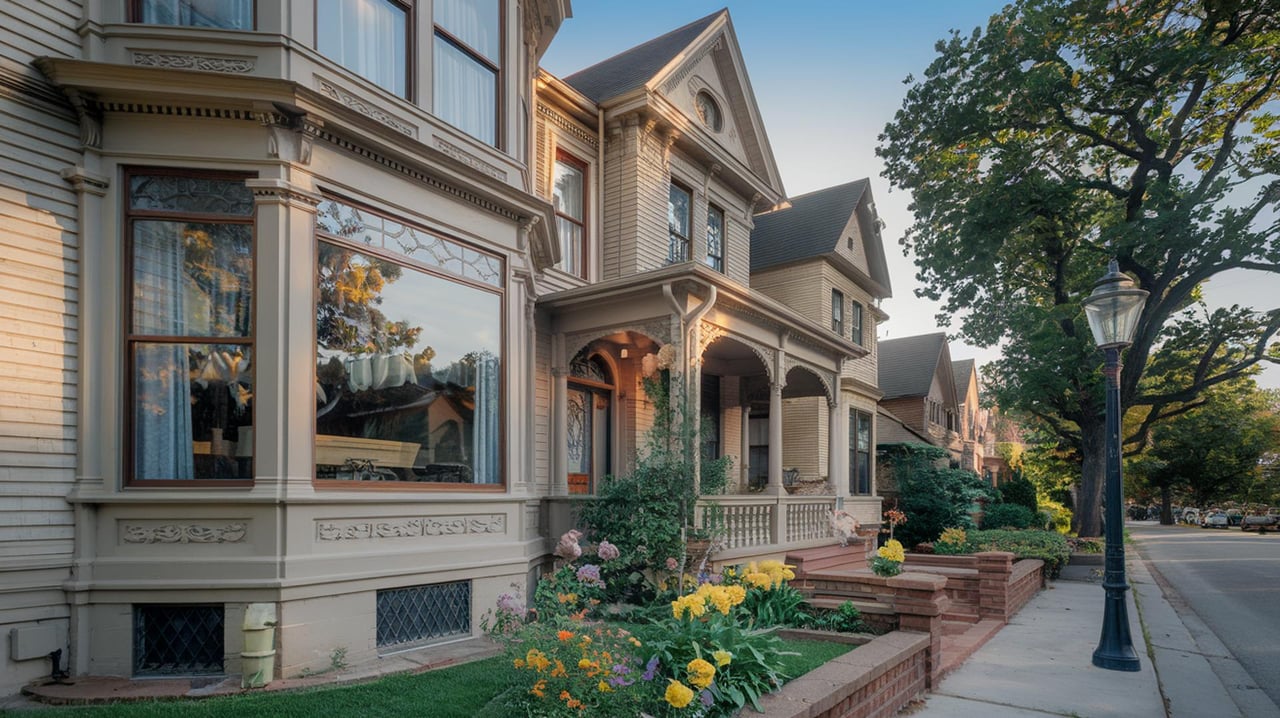
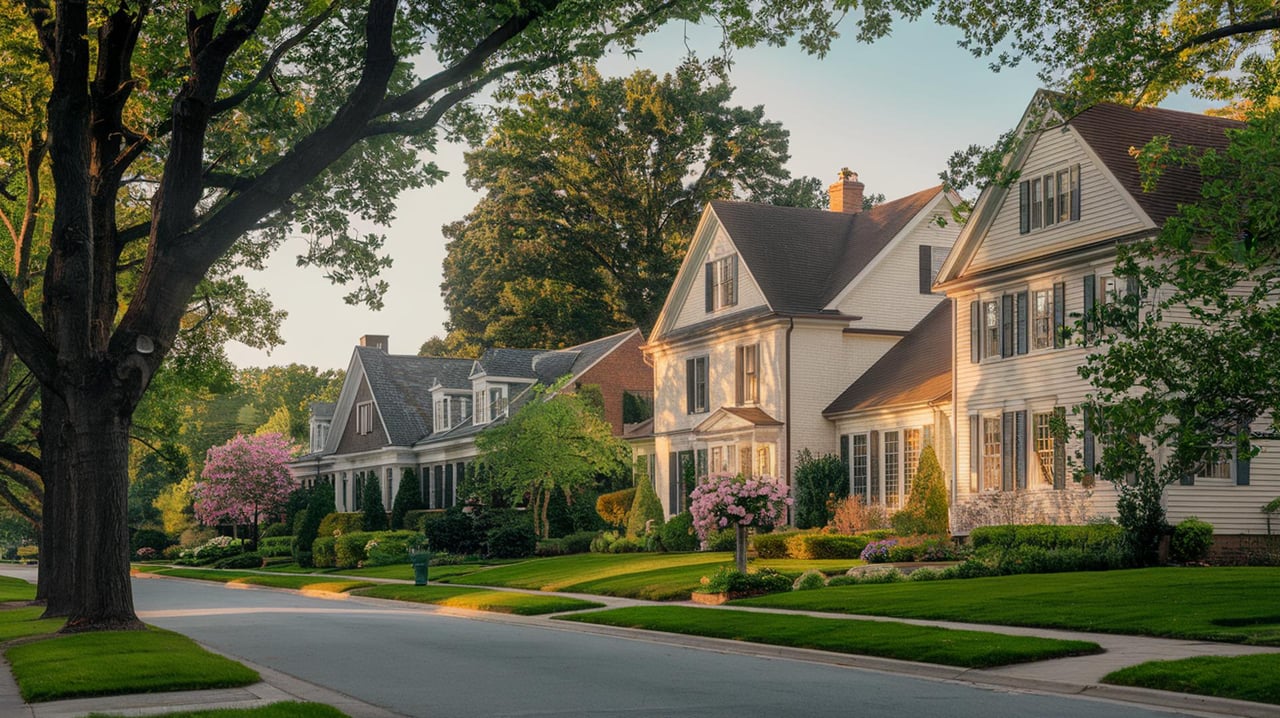
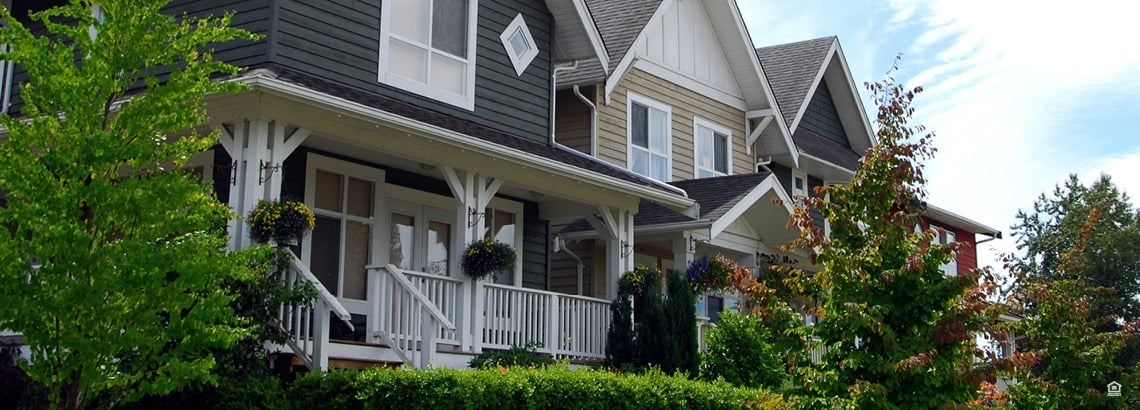
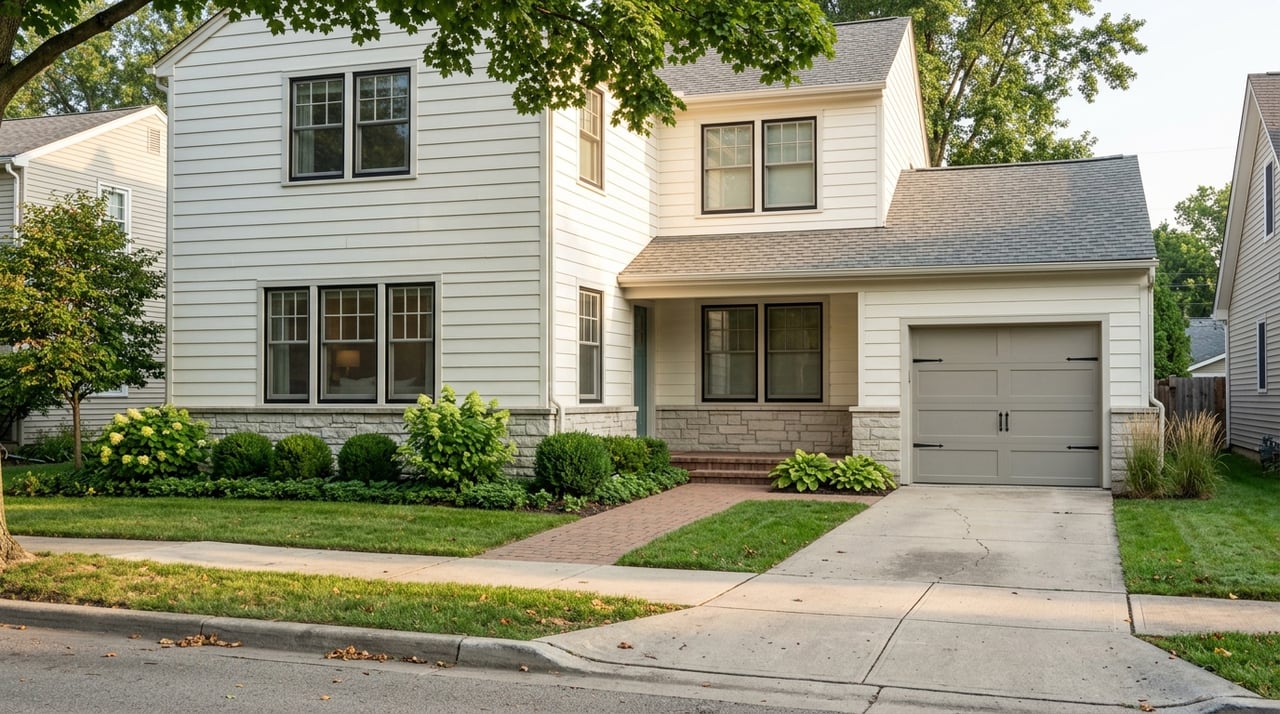
One of the biggest misconceptions about walk-to-train living in Clarendon Hills is that it means one narrow type of property. In reality, the housing mix near the station is fairly broad. Buyers will see older detached homes, renovated character homes, townhomes, and newer downtown units.
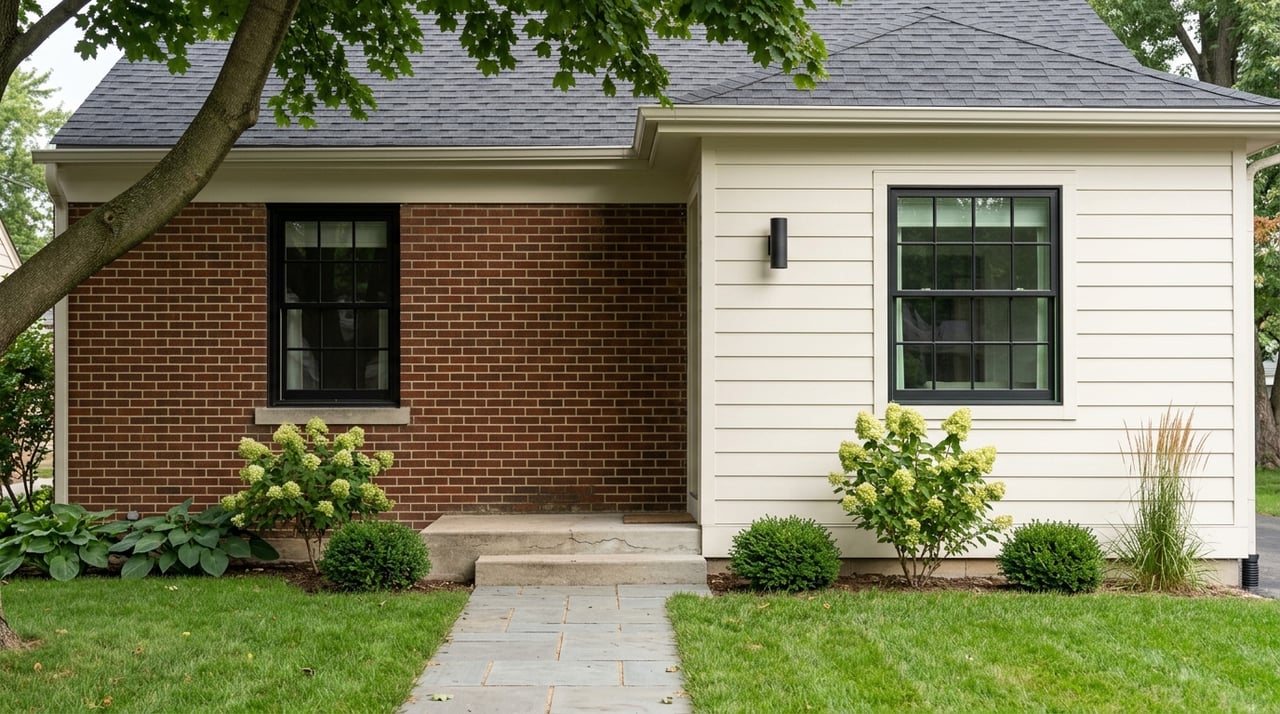
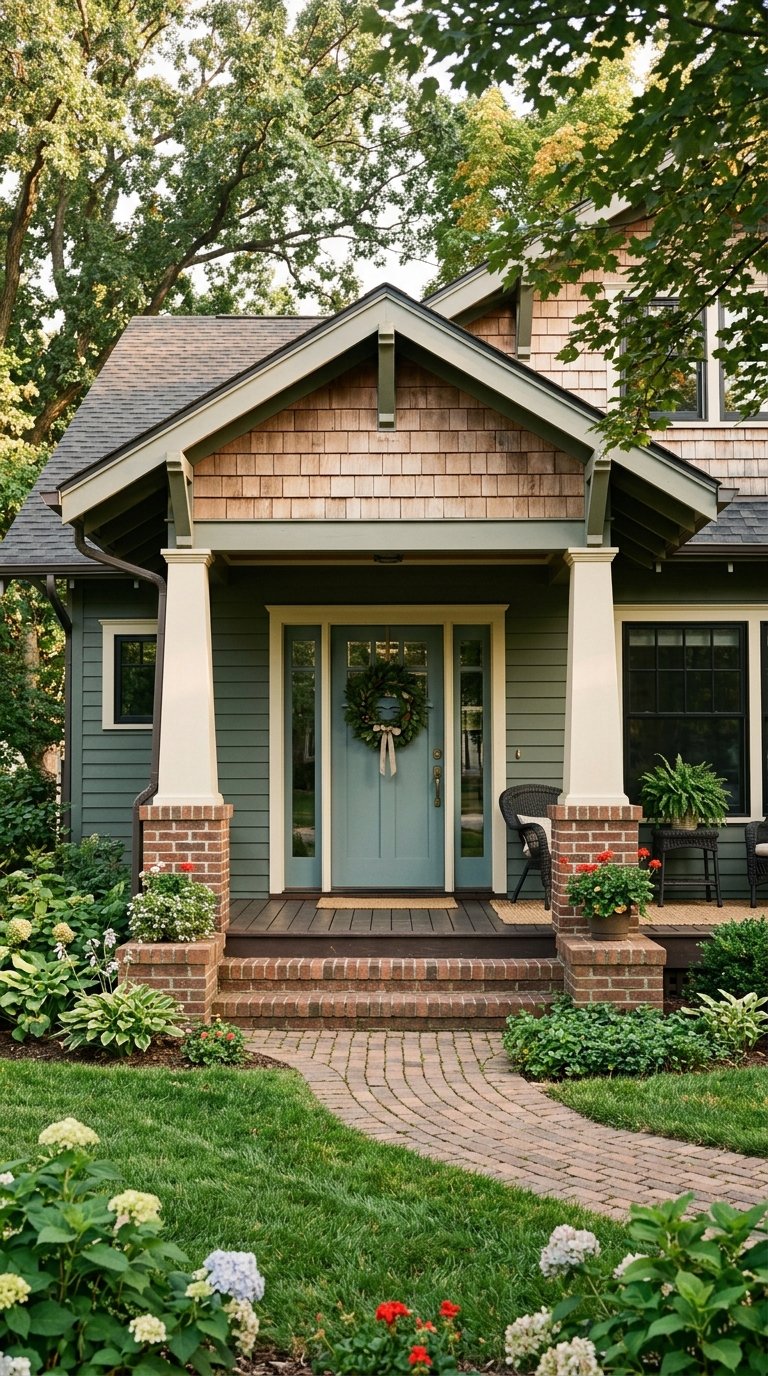
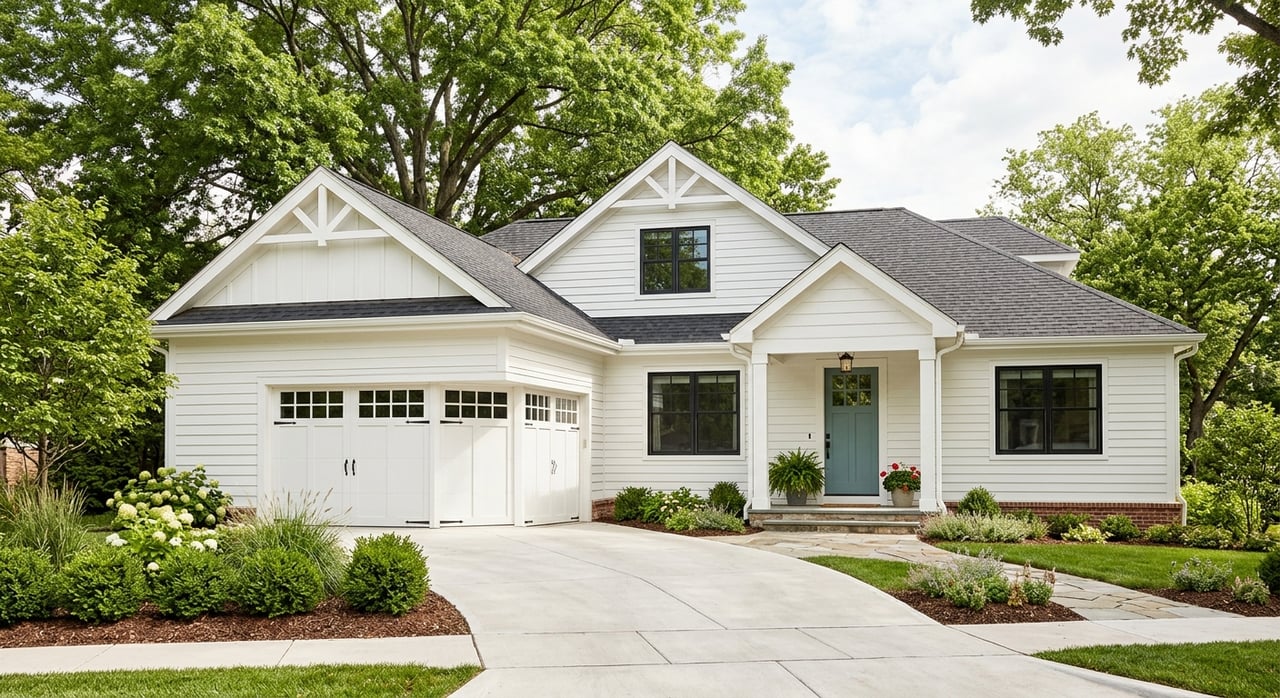
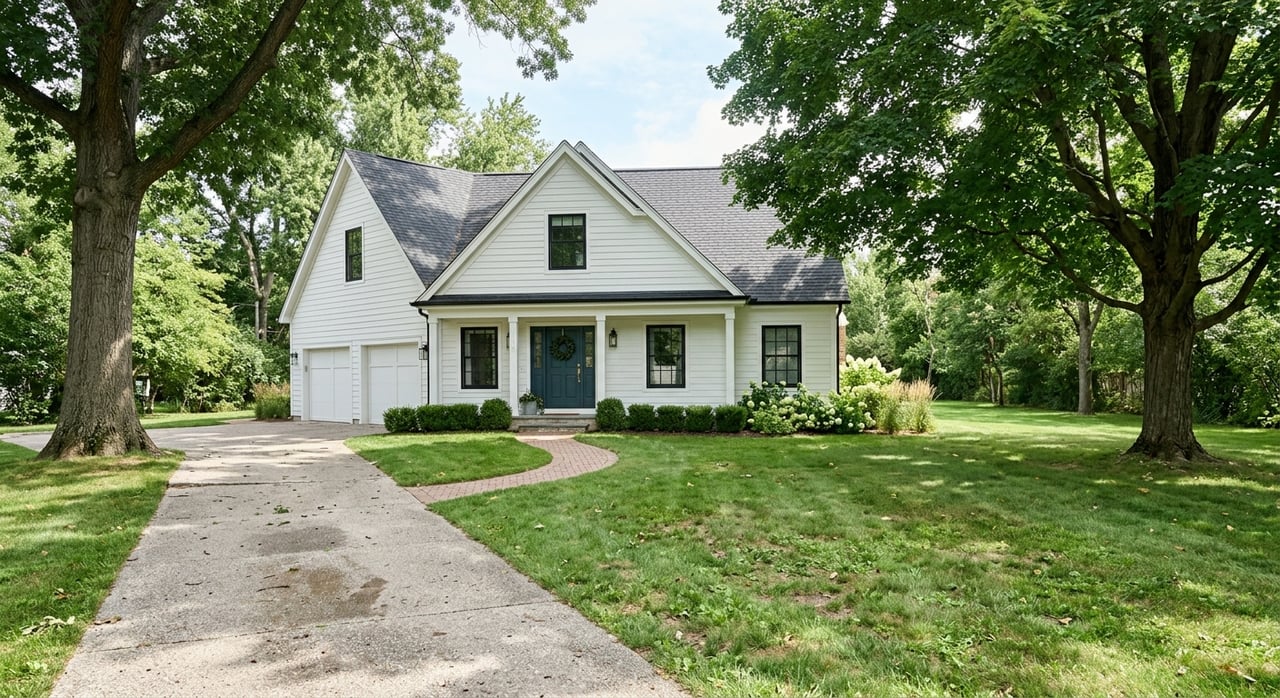
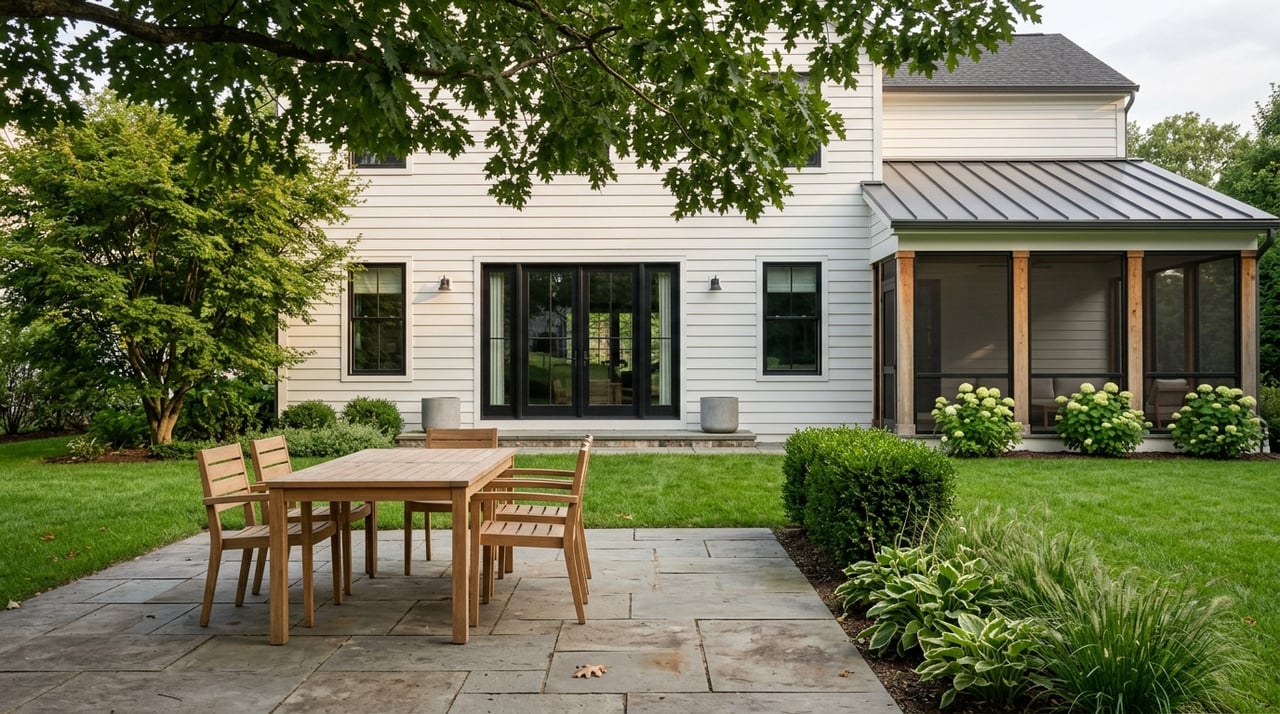
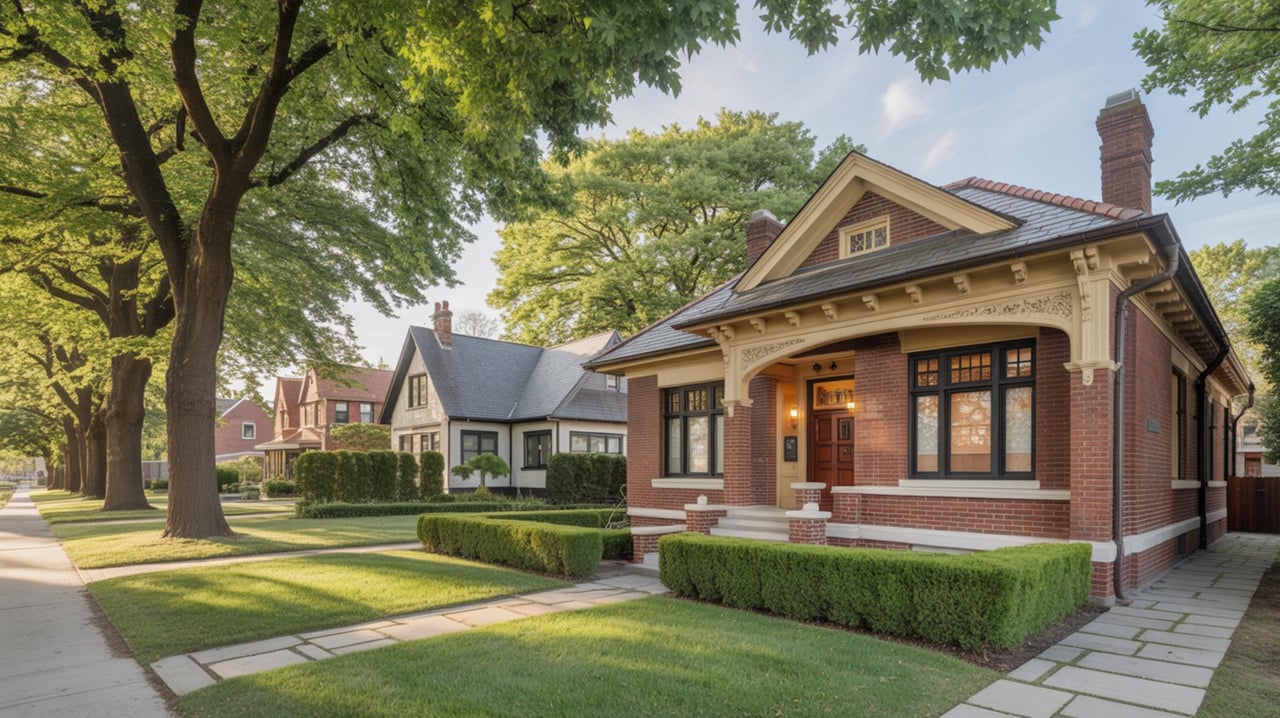
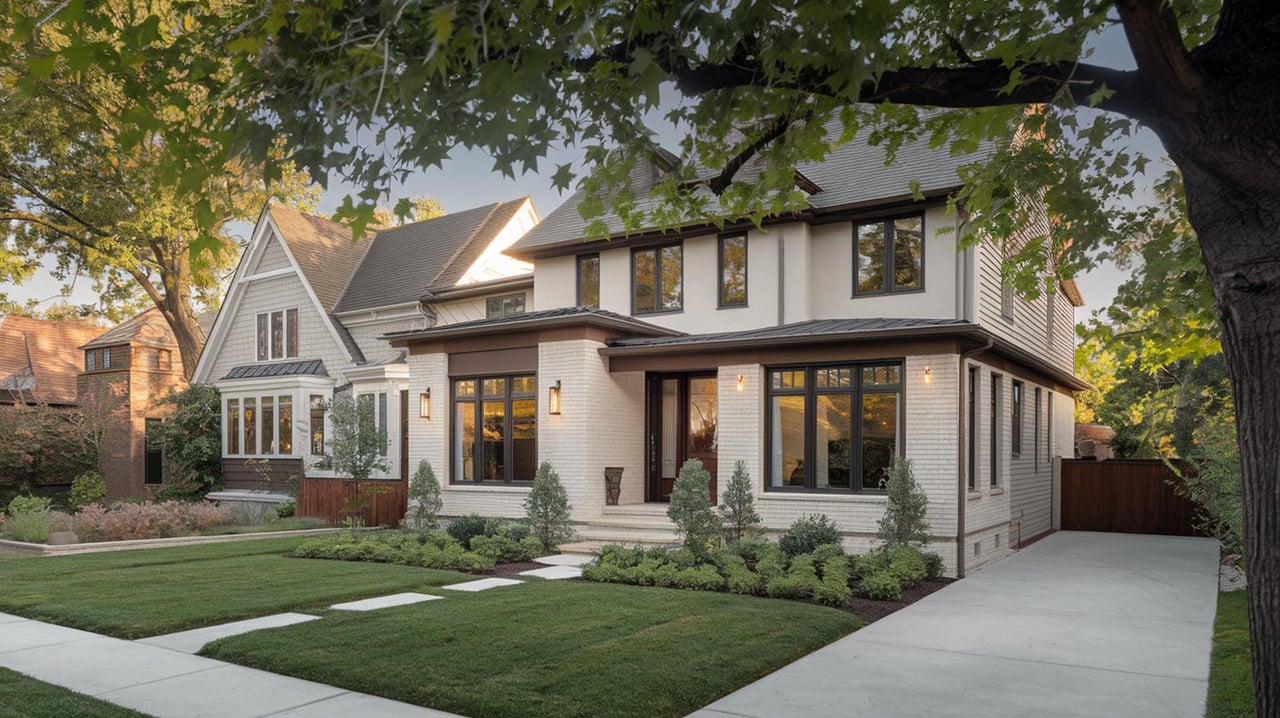
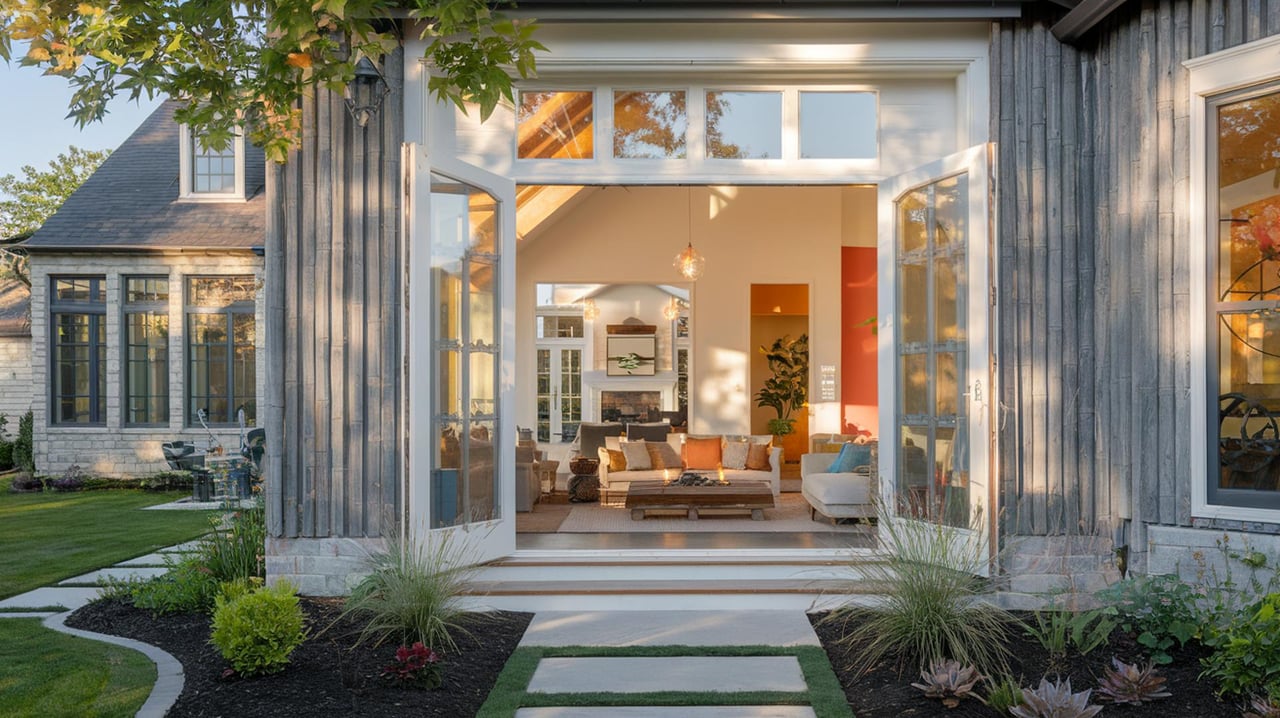
Current and recent examples show that the near-station inventory can include remodeled bungalows, Craftsman-style homes, farmhouse-style renovations, and newer attached homes in the downtown core. That variety is useful because it gives you more than one path into a walkable lifestyle.
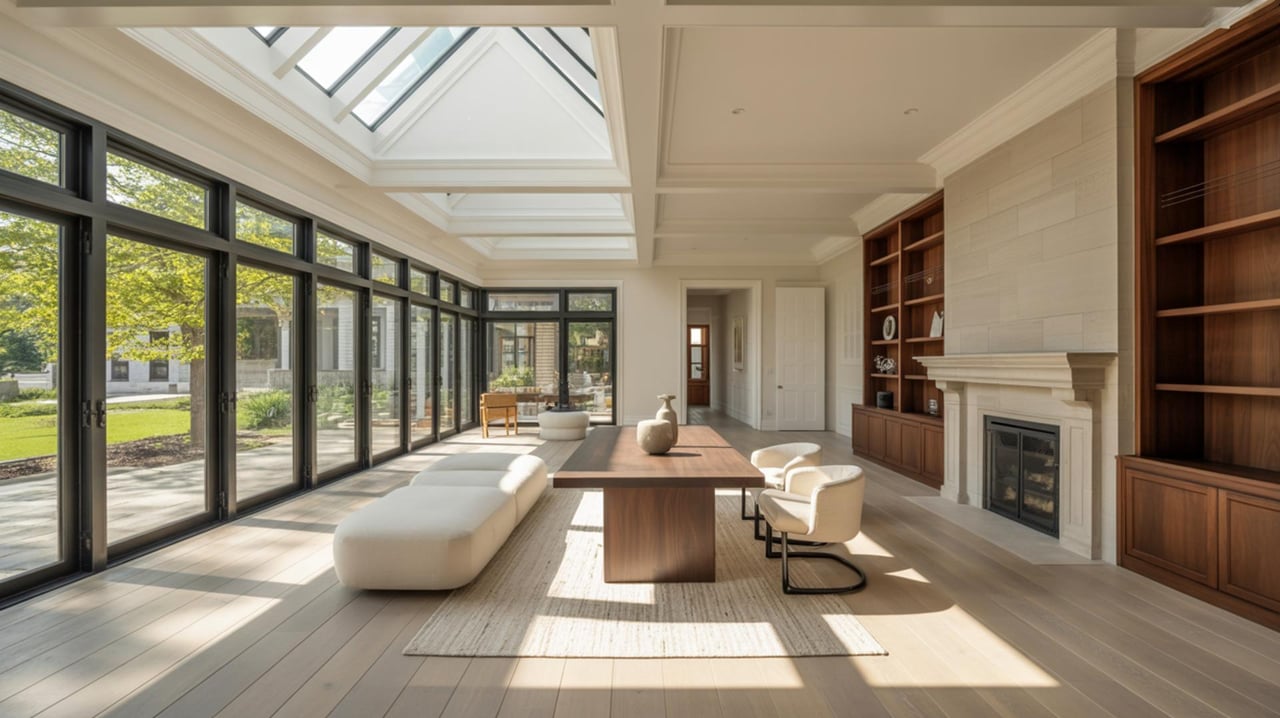
If you want a detached home with classic architecture, options near the station may include older homes on in-town lots. If you want lower exterior maintenance and a simpler day-to-day setup, attached housing can offer train access without the same yard and upkeep demands.
Clarendon Hills walk-to-train price tradeoffs
Walk-to-train convenience usually comes at a premium, especially when a home is updated, sits on a larger in-town lot, or is part of the newer downtown townhome inventory. In the broader Clarendon Hills ZIP code, Redfin reported a median sale price of $770,000, a 101.6% sale-to-list ratio, and 31 days on market as of May 2026. Homes close to the station often sit above that baseline.
The sample inventory makes that easier to picture. A Craftsman bungalow at 26 Waverly Ave sold for $1.1 million in 2022, while 30 Waverly Ave, a farmhouse-style home on about 0.3 acres, was listed at $1.425 million and described as about a 5-minute walk to the station. Newer downtown townhomes on Burlington have also sold in the mid-$1 million range.
That does not mean every walkable option is at the top of the market. A townhome like 410 Park Ave shows that some buyers can trade yard size for lower maintenance and a lower total price than a larger detached in-town home. For many buyers, that is the key balancing act.
How lot size affects value
Distance to the platform is only part of the equation. In Clarendon Hills, buyers are often choosing among three versions of walk-to-train living:
- Smaller-lot or attached housing closer to the station
- Older detached homes on modest in-town lots
- Larger-lot detached homes a few minutes farther from the core
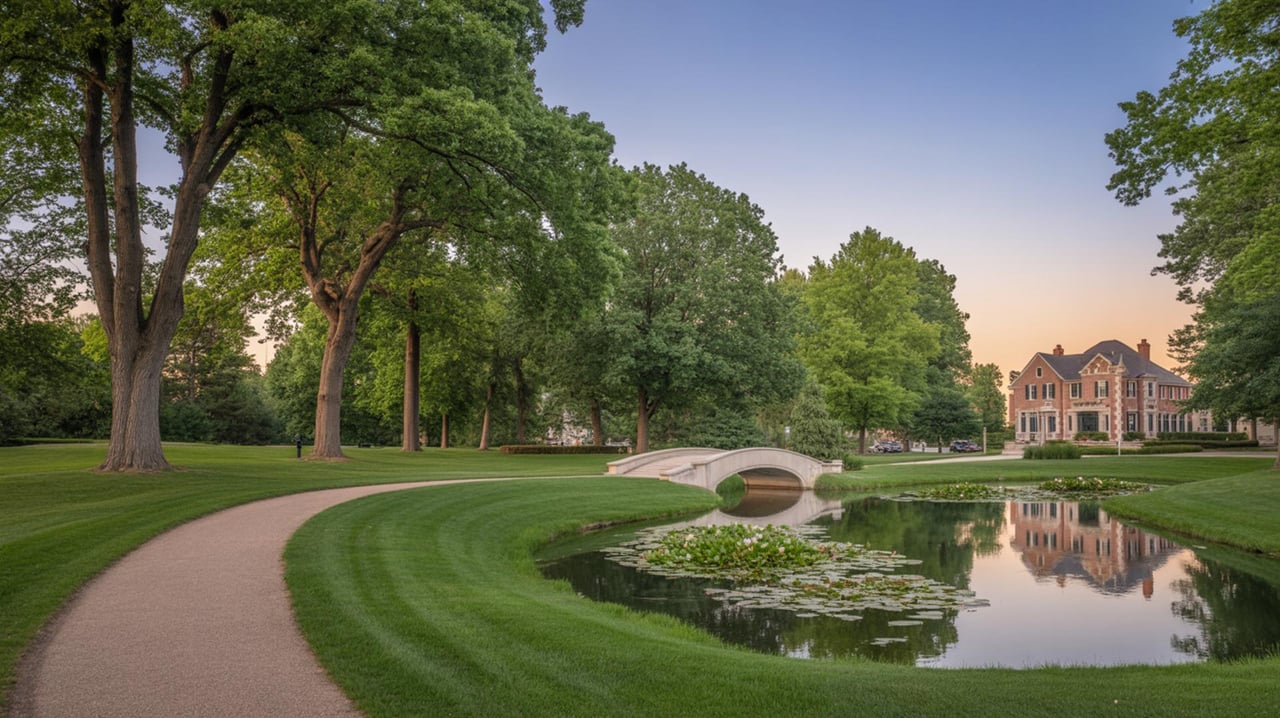
Representative properties in the area show lot patterns around 60 by 150, 0.3 acres, and 0.31 acres. So yes, you can sometimes find both walkability and a larger yard, but that combination typically pushes the price higher.
Parking matters more than buyers expect
Many buyers focus on the walk and forget to ask how parking works in real life. That can be a mistake in Clarendon Hills. The village manages commuter parking through quarterly permits on a first-come, first-served basis, and new permit requests are currently issued for Burlington Avenue parking only, with the option to waitlist later for a South Lot permit.
The village also offers Passport Parking for village-owned commuter spaces. It notes that free parking at the Metra lot is available on weekdays after noon and all day on weekends. Those details can be helpful, but they do not remove the need to understand your household’s day-to-day parking plan.
Metra lists 335 total spaces at the station, including 52 daily-only spaces and 4 ADA spaces. Because supply is finite, buyers with a second car, regular guests, or work vehicles should check parking rules before assuming the area will function like a typical suburban block.
Street parking is not always simple
Overnight street parking is prohibited from 2:00 a.m. to 6:00 a.m. Multi-family residents also have a separate quarterly overnight permit program for designated downtown spaces. The village additionally manages Blue Dot parking for downtown employees around the central business district boundary to help preserve customer parking.
For you, this means parking should be part of the home search, not an afterthought. A home that looks ideal on paper may work differently depending on garage space, driveway capacity, and the exact block location.
Train noise and downtown activity
The convenience of station access usually comes with more movement and more noise. Village survey results show that residents have raised concerns about parking, downtown congestion, rail traffic at Prospect, and proximity to the train and crossing area. That does not mean the area is a poor fit. It means the tradeoff is real.
If you live closer to the station, you should expect more train-related activity, more pedestrians, and less separation from downtown traffic than you would find farther from the core. Some buyers see that as energy and convenience. Others decide they want a few more minutes of walking in exchange for a quieter setting.
This is where in-person touring matters. A listing may say walk to train, but your experience will depend on the route, the crossing points, and how you feel about daily activity around the station area.
Streets buyers often watch first
If the train is a daily necessity, buyers often start in the in-town core where listings and recent sales repeatedly highlight walk-to-town and walk-to-train access. Based on current and recent examples, streets that often come up in this conversation include Waverly, Oxford, Tuttle, Coe, Burlington, and Park.
That does not mean every property on those streets offers the same experience. Some homes are closer to downtown activity, while others may offer a little more space or a slightly different walk pattern. Still, these areas give you a practical place to begin if station access is high on your list.
Questions to answer before touring
Before you schedule showings, it helps to narrow what walk-to-train really means for your household. The right home for you depends on whether convenience, lot size, budget, or lower maintenance matters most.
Ask yourself:
- Is the train a daily need or just a nice bonus?
- How many minutes am I actually comfortable walking each day?
- Do I want a detached home, or would a townhome fit my lifestyle better?
- Will I need reliable parking for a second car or guests?
- Am I comfortable with train noise, crossing activity, and downtown traffic?
- Does my budget support the premium that often comes with in-town blocks?
When you get clear on these answers first, your search becomes much more efficient. You can compare homes based on how they live, not just how they are marketed.
Why local guidance helps in Clarendon Hills
In a market where walk-to-train homes can vary widely by lot, housing type, and block-by-block feel, local context matters. Two homes may both be described as close to town and train, yet offer very different tradeoffs in parking, yard size, noise exposure, and price.
That is why buyers benefit from a focused, street-level strategy rather than a broad online search alone. If you are targeting Clarendon Hills for its BNSF convenience, it helps to evaluate not only what is listed now, but also which home type best matches the way you want to live.
If you are weighing walk-to-train options in Clarendon Hills, LaBelleSells can help you compare the tradeoffs, narrow your search, and find the right fit with a smart, local strategy.
FAQs
What does walk-to-train living in Clarendon Hills usually mean?
- It usually means living near the Clarendon Hills Metra station on the BNSF line in the in-town area, where you can reach the platform and downtown amenities on foot.
What types of homes are near Clarendon Hills Metra?
- Near the station, buyers may find older detached homes, renovated bungalows, Craftsman-style homes, farmhouse-style updates, townhomes, and newer downtown units.
Are walk-to-train homes in Clarendon Hills more expensive?
- Often, yes. Homes near the station can command a premium, especially if they are renovated, have a larger in-town lot, or are part of the newer downtown townhome inventory.
How does commuter parking work in Clarendon Hills?
- The village manages commuter parking through quarterly permits and Passport Parking, and parking availability is limited, so buyers should verify how parking works for their specific home and block.
Is living near the Clarendon Hills station noisy?
- It can be. Buyers closer to the station should expect more train activity, pedestrian movement, and downtown traffic than homes located farther from the core.
Which Clarendon Hills streets are often associated with walk-to-train homes?
- Based on current and recent listing patterns, buyers often start with areas around Waverly, Oxford, Tuttle, Coe, Burlington, and Park when searching for walk-to-train options.