On a Saturday morning this month, Archer Avenue is doing at least three things at once. Vendors are setting up folding tables for the summer Garfield Ridge Farmers Market. A few blocks west, the smell of butter-crust fried chicken is drifting out of Mini Hut, back under new ownership since February. And in a strip mall further down Archer, Alderman Silvana Tabares' new ward office is open for its weekly Saturday hours, handling everything from garage sale permits to job fair notices for whoever walks in.
None of that requires a plan. It's just Saturday.
But zoom out past this week's foot traffic and you'll find Archer Avenue is currently the subject of two separate planning efforts that don't answer to each other, don't share an author, and don't even agree on what problem they're solving. One is a regional infrastructure initiative spanning four neighborhoods. The other is a 107-page document written largely by one lifelong resident who wanted his neighborhood to stop being treated as an afterthought. If you live here, it's worth knowing which one is actually built around your block, because the two plans are not the same size, and they are not asking the same question.
The Big Number That Isn't Really About Garfield Ridge
In July, Block Club Chicago reported on "Moving Archer Forward," a joint initiative from the city's Department of Planning and Development and the Regional Transportation Authority. The pitch is sizable: 800 new housing units and 280,000 square feet of retail space, built out over the next 10 to 20 years, with redesigned CTA Orange Line stations and public plazas replacing some of the surface parking near stops.
Here's the detail that gets lost in the headline number: that 800-unit, 280,000-square-foot projection covers 6.3 miles of Archer Avenue, from Bridgeport all the way to Garfield Ridge. That's four neighborhoods, not one. The plan's own project manager told residents at a July open house that the goal is to appeal to "families and people already living on the Southwest Side who might have empty-nesters in college or who've moved out and might want to downsize slightly and live closer to the train." That's a real goal, and a reasonable one. It's also a corridor-wide goal, which means there's no guarantee that Garfield Ridge's stretch of Archer sees anything close to a proportional share of those units or that retail square footage. The plan was slated to reach the City Council's plan commission this August, and the public comment window on the initiative's survey closed in early August as well.
The Smaller Plan That's Actually Calibrated to This Neighborhood
Compare that to Garfield Ridge 2050, a plan with a much smaller footprint and a much more specific target. Danny Villalobos, a lifelong Garfield Ridge resident who earned his master's in urban planning from the University of Illinois Chicago this year, spent six months building it: a survey offered in English, Polish, and Spanish, outreach through the Vittum Park Civic League, the Southwest Collective, the Garfield Ridge Chamber of Commerce, the Garfield Ridge Neighborhood Watch Group, and Hope Church Midway. He collected 216 responses.
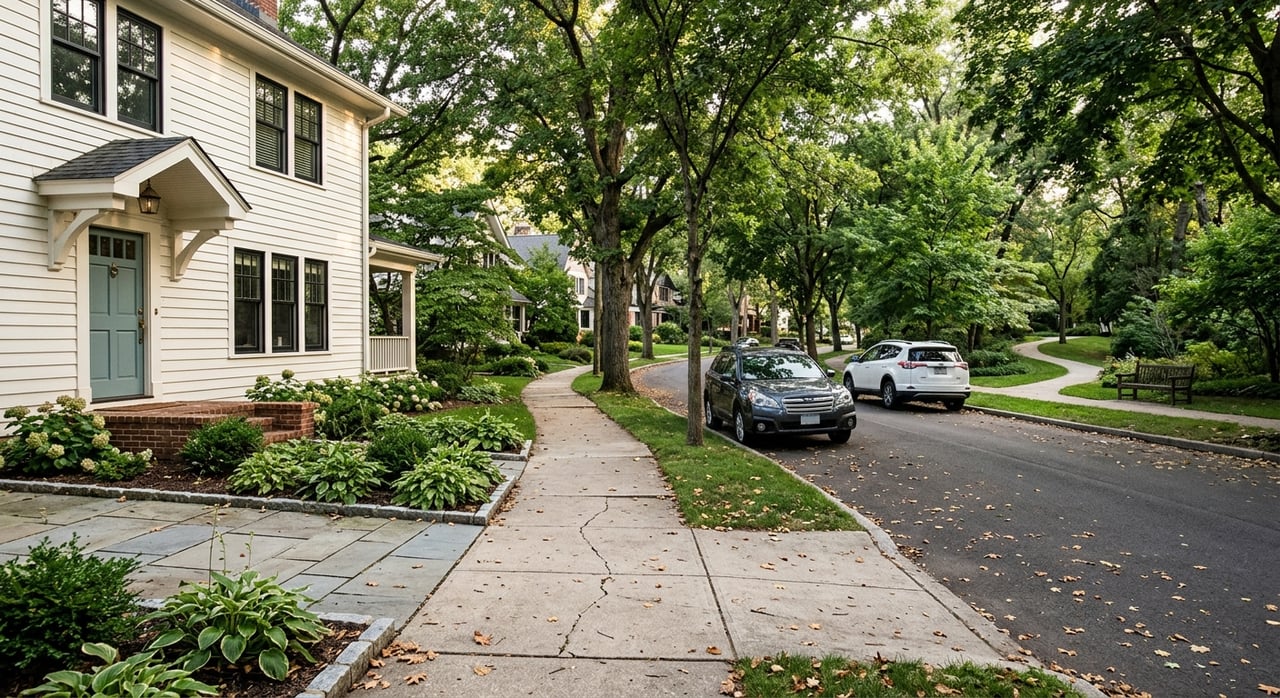
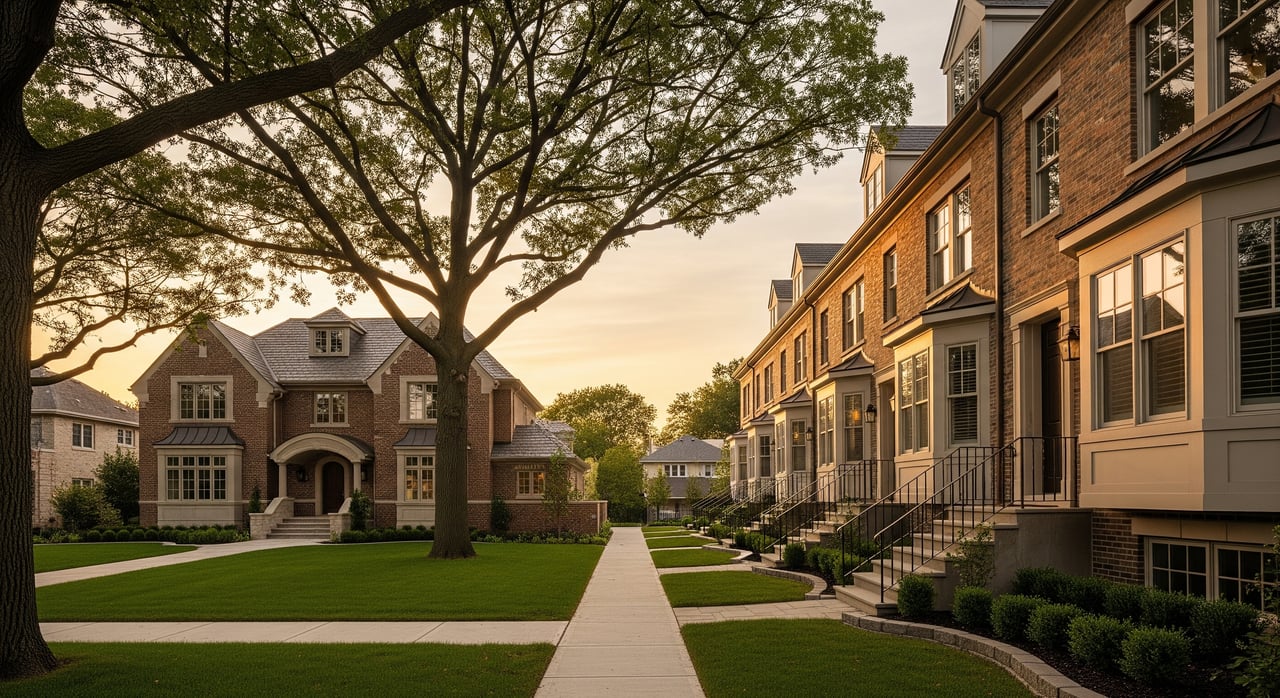
The plan is explicit about what it isn't. It isn't a bike lane proposal, and Villalobos has said as much directly, in part because a similar Archer Avenue safety initiative in nearby Brighton Park drew real backlash earlier this year over protected bike lanes and curb bump-outs before residents there mostly settled into the new layout. Garfield Ridge 2050 is aimed at something else: protecting the character of a neighborhood that Villalobos says still feels like "a Chicago burb" while creating room for it to grow.
"The best part of Garfield Ridge is that it does feel like a Chicago burb. That small town in the big-city-feel is what people really love about this area."
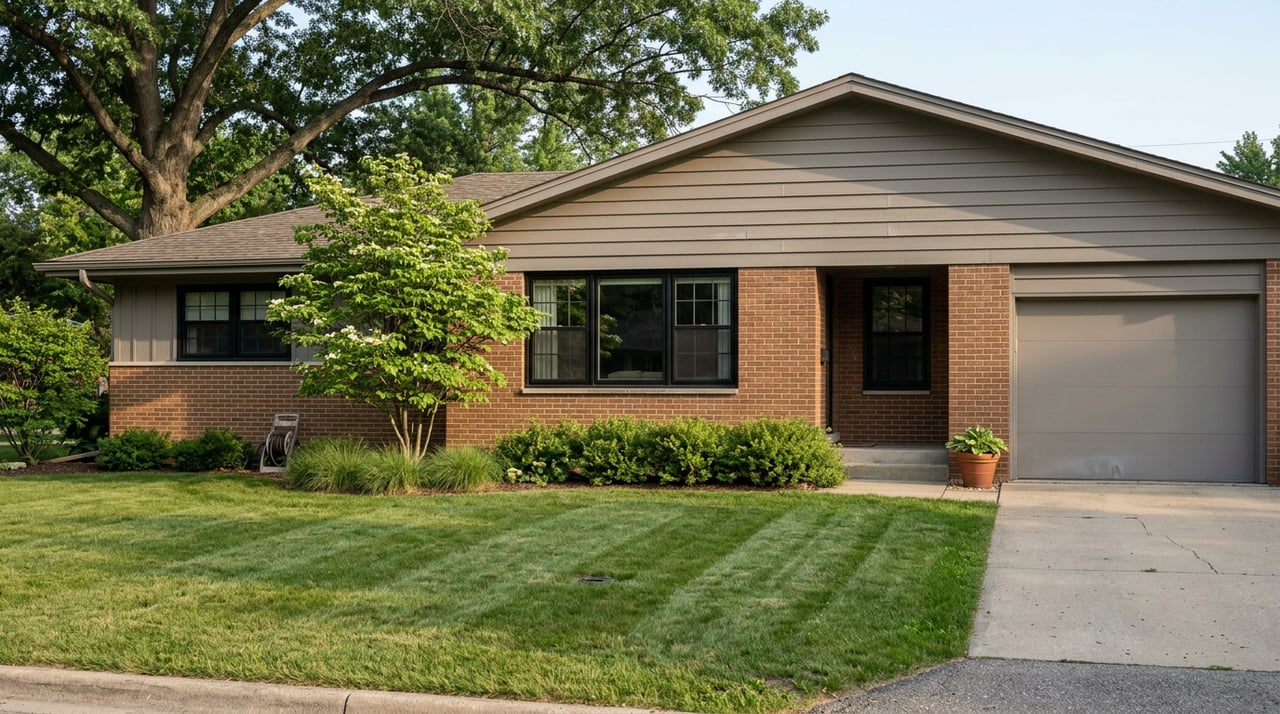
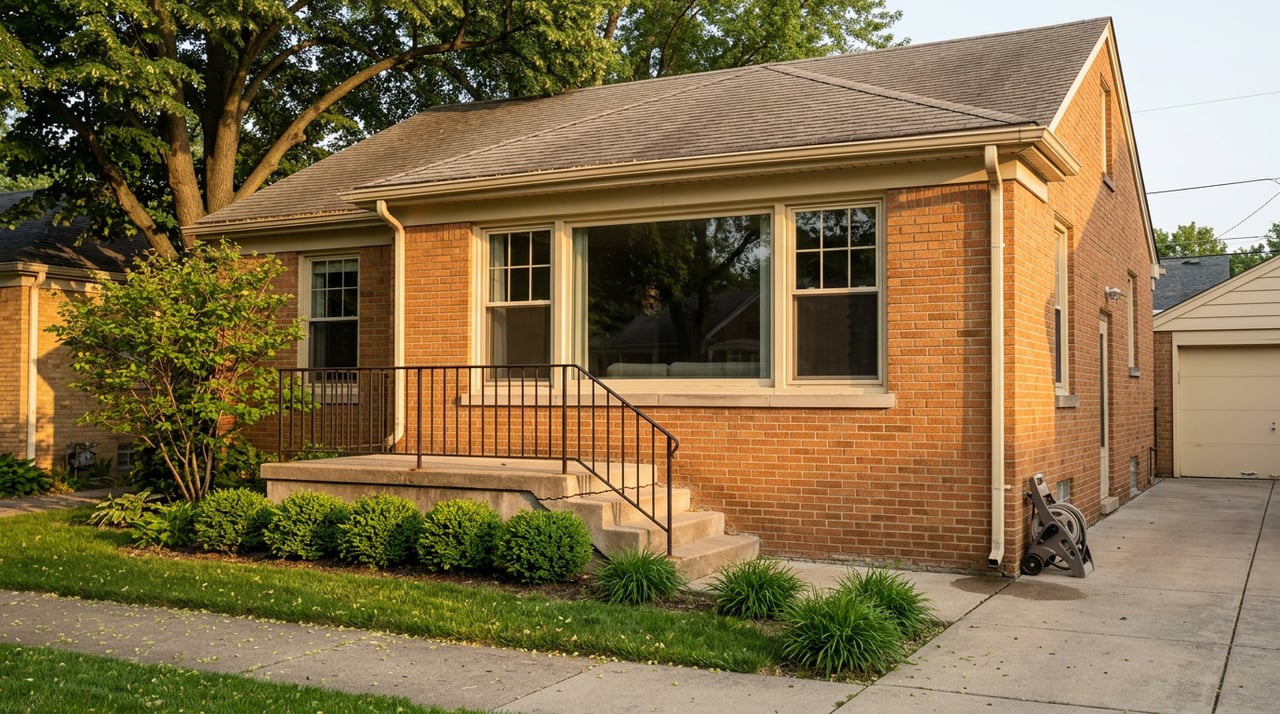
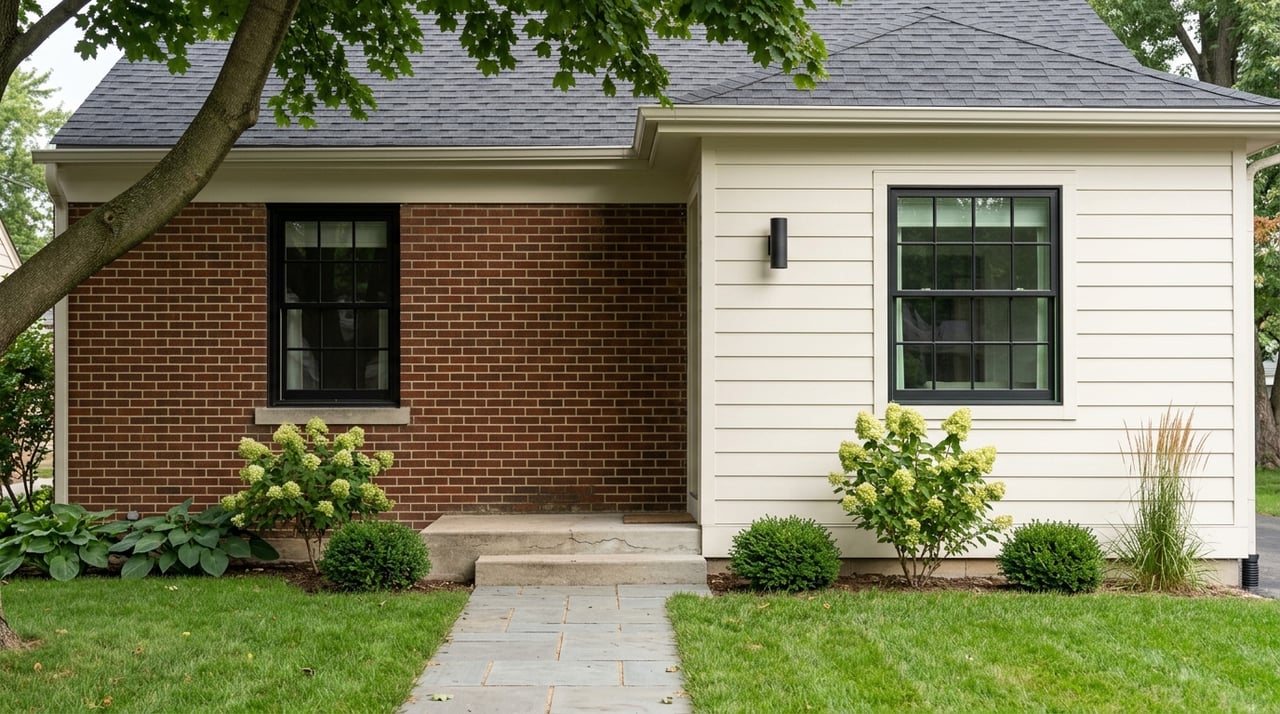
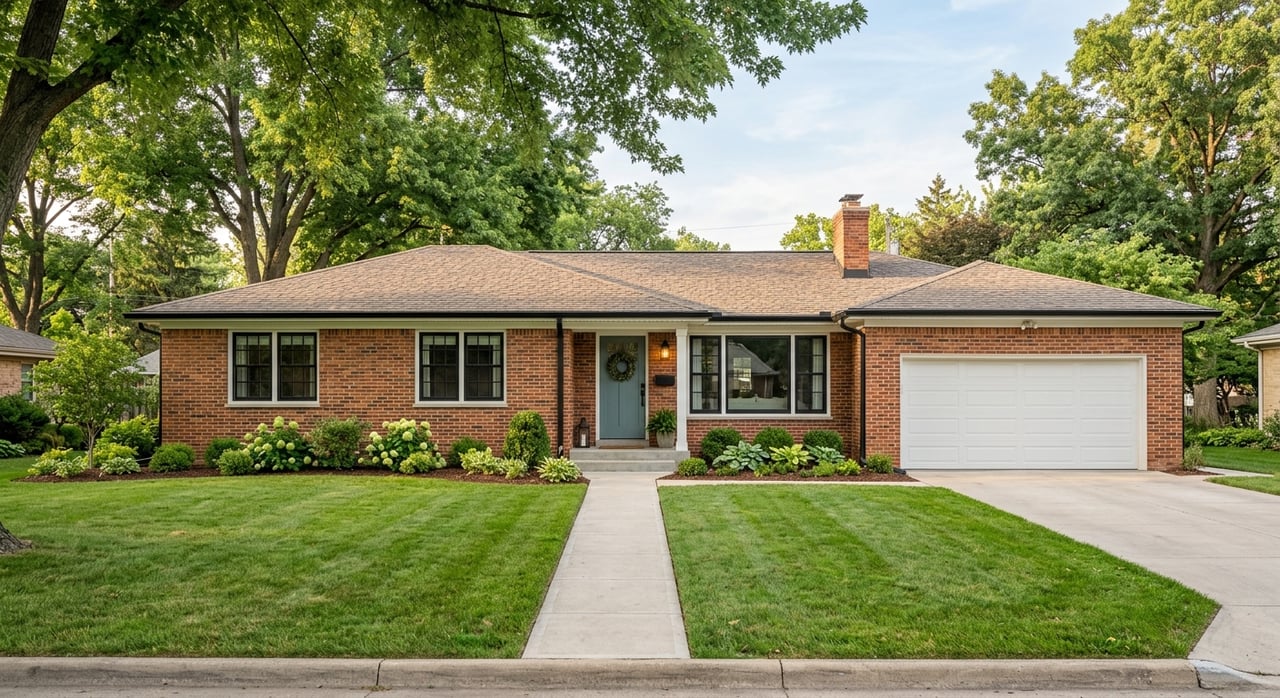
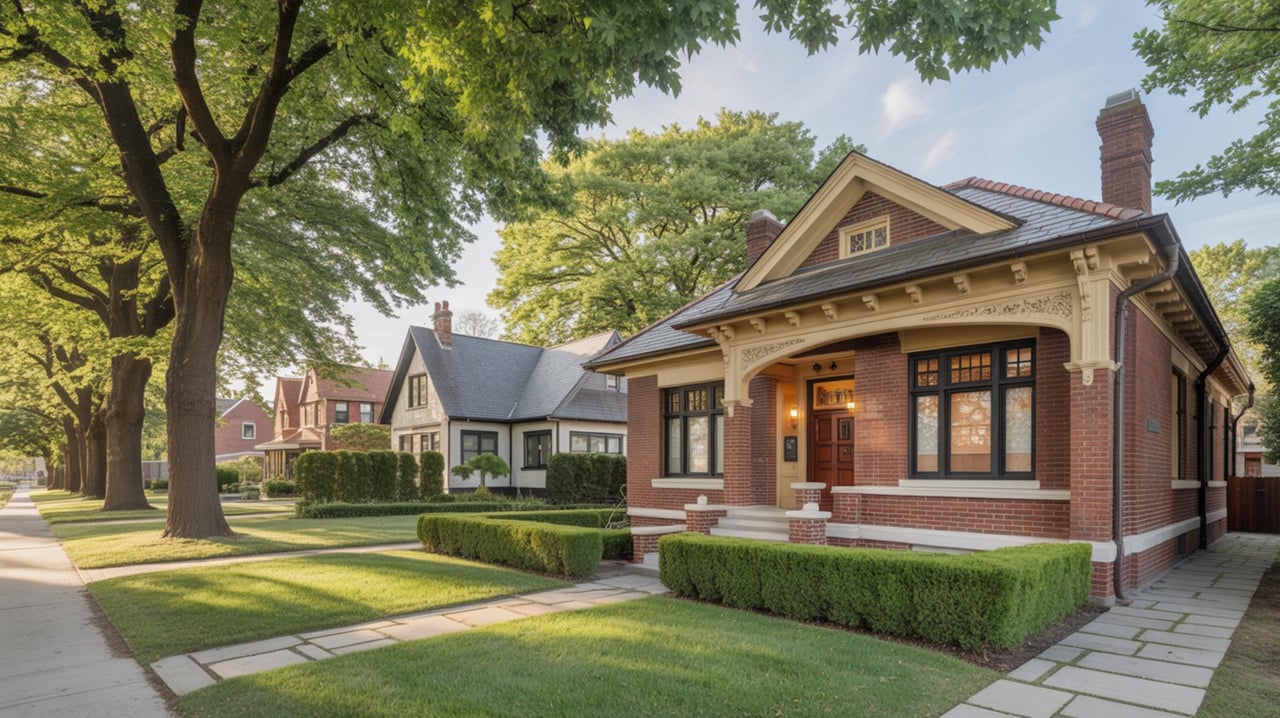
His survey data captures a real tension worth sitting with. Asked to name development priorities, residents ranked preserving neighborhood character first, at 21 percent, ahead of green space, walkability, and affordability. But on housing specifically, 58 percent said the neighborhood needs more diverse housing options, while 40 percent wanted more single-family homes. That's not a contradiction so much as a neighborhood negotiating with itself. Villalobos's answer leans on a detail specific to the local building stock: Garfield Ridge's bungalows already have built-in accessory dwelling potential, in a basement or a second floor, without changing what the block looks like from the sidewalk. He's said as much plainly, calling himself fully in favor of ADUs as a housing solution that doesn't require the neighborhood to stop looking like itself.
The plan's most concrete ask, though, is about money and maintenance, not zoning. It proposes designating Archer Avenue as a special service area, which would let property owners along the corridor invest extra funds annually into keeping the street cleaner and better maintained. Alderman Mike Rodriguez, one of two aldermen who have publicly backed the plan, put it simply: investment follows planning, and it's on the neighborhood to take the plan off the shelf.
Here's the two side by side:
| Moving Archer Forward | Garfield Ridge 2050 | |
|---|---|---|
| Led by | Chicago DPD and the Regional Transportation Authority | Danny Villalobos, resident and UIC urban planning graduate |
| Footprint | 6.3 miles, Bridgeport to Garfield Ridge, four neighborhoods | Garfield Ridge only |
| Headline figure | 800 housing units, 280,000 sq ft of retail, projected over 10-20 years | 107 pages, built from 216 resident survey responses |
| Core proposal | Transit-oriented redevelopment near Orange Line stations | ADU-friendly bungalow policy, Archer as a special service area |
Both plans want more life on Archer Avenue. Only one of them was built by someone counting the actual blocks.
What's Already Real, Without Waiting for Either Plan
While the paperwork works its way through the plan commission, some things on Archer have already changed on their own. Mini Hut, the counter-service fried chicken spot that's been a Southwest Side fixture for decades, closed and reopened this year under 21-year-old Brett Gomez, who grew up in the neighborhood and previously ran Halsted Street Dawgs in Romeoville. He rebuilt the original butter-crust recipe from scratch and the shop is currently open daily from 11 a.m. to 8 p.m. at 6659 W. Archer.
A mile or so east, a long-vacant city-owned lot at 4301-37 S. Cicero, about a mile from Midway Airport, is getting an 18,000-square-foot retail building with room for up to 14 storefronts, part of a $5.5 million project selected by the Department of Planning and Development. The site had sat empty for more than 20 years.
And the neighborhood's older institutions are still doing what they've always done. Weber's Bakery, on Archer since 1979 and in business since 1930, is still turning out its chocolate cake donuts and kolacky. Nicky's Hot Dogs is still serving the Big Baby, its signature double cheeseburger. A Cup of Joe Coffeehouse is still pairing lattes with street food and wall art rooted in the owners' Mexican heritage. Peaches & Pears is still doing Polish brunch. None of that needed a plan either.
What This Actually Means If You Live Here
If you're a Garfield Ridge homeowner wondering whether any of this changes your street in the next year, the honest answer is probably not yet. The Moving Archer Forward timeline stretches a decade or two, and its plan commission review is a procedural step, not a groundbreaking. Garfield Ridge 2050 is a set of recommendations, not zoning code, and Villalobos has said himself that the real work starts now, with electeds, developers, and residents deciding what to actually build from it.
What's worth paying attention to is which conversation you want a voice in. The regional plan's public comment period has already closed for this round, but the Garfield Ridge Chamber of Commerce holds monthly meetings open to any local business person, and the Vittum Park Civic League is the group Villalobos used to organize his own survey. If Archer Avenue's special service area designation moves forward, it will mean an added annual cost for property owners along the corridor in exchange for a cleaner, better-maintained commercial strip. That's a real tradeoff worth understanding before it's a line item, not after.
For now, the summer farmers market is still setting up on weekends, the fall calendar brings the Halloween Jamboree Parade and the Witch-o-Rama Market, and Mini Hut's fryers are already back on. The plans are still on paper. The chicken isn't.
Catherine Dugan LaBelle and the LaBelleSells team follow these kinds of local shifts across the western suburbs and city neighborhoods we work in, because knowing what's actually happening on a street matters long before anyone decides to buy or sell on it. If you want the same kind of grounded, no-nonsense read on your own neighborhood, get in touch to schedule a complimentary consultation.